
Table of Contents
Key Takeaways
- A front-wheeled walker is the recommended first mobility aid for weeks 1 through 3 after total knee replacement surgery
- Most patients transition from a walker to a cane around weeks 3 to 4, depending on physical therapy progress and surgeon guidance
- Bathroom equipment (raised toilet seat, shower chair, grab bars) should be set up before surgery day to prevent falls during early recovery
- Medicare Part B covers medically necessary post-surgical DME at 80% after the deductible, including walkers and canes
- The most common recovery mistake is rushing the transition between devices, so always follow your physical therapist’s guidance on timing
Preparing for Knee Replacement Recovery
Total knee replacement (TKR) surgery replaces the damaged surfaces of your knee joint with metal and plastic components. The surgery itself takes 1 to 2 hours, but the recovery period stretches over 3 to 6 months. During that time, you will rely on a series of mobility aids and recovery equipment that change as your knee heals and strengthens.
The key to a smooth recovery is having the right equipment ready before surgery. You do not want to scramble for a shower chair or raised toilet seat during your first week home, when pain and limited mobility make even simple tasks challenging. This guide walks through every piece of equipment you will need, organized by the recovery phase when you will use it.
If you are also preparing for a hip replacement (or have had one in the past), our guide to mobility aids after hip replacement covers the parallel recovery process, which shares many of the same equipment needs but has different movement restrictions.
Pre-Surgery Preparation (1 to 2 Weeks Before)
The best time to set up your recovery equipment is before surgery. Here is what to have in place:
Home Safety Setup
Clear pathways: Remove area rugs, electrical cords, and any obstacles along the routes you walk most often. Even a small rug edge can catch the front wheels of a walker.
Arrange furniture for walker clearance: A standard walker needs about 24 inches of clearance. Walk your planned routes with a measuring tape to identify tight spots.
Move frequently used items to counter height: Place dishes, snacks, medications, phone chargers, and remote controls on countertops or tabletops so you do not need to bend or reach during the first few weeks.
Set up a recovery station: Choose a chair with firm cushions, a solid seat height (hips level with or slightly above your knees when seated), and sturdy armrests for pushing up to standing. Place a small table beside it for water, medications, and your phone.
Bathroom Preparation
The bathroom is the highest-risk room during knee replacement recovery. Set up these items before surgery:
- Raised toilet seat (adds 3 to 5 inches of height, reducing the depth of knee bend needed)
- Shower chair or transfer bench (sitting while showering eliminates the risk of falling on wet surfaces while balancing on a healing knee)
- Grab bars beside the toilet and in the shower area (see our grab bar installation guide for placement recommendations)
- Non-slip bath mat outside the shower or tub
- Handheld showerhead (allows you to bathe while seated without twisting to reach a fixed showerhead)
Equipment to Have Ready
Order or rent these items at least one week before surgery so they are set up and ready when you come home:
- Front-wheeled walker
- Raised toilet seat
- Shower chair or transfer bench
- Grab bars (installed)
- Reacher/grabber tool (for picking up items without bending)
- Long-handled shoe horn and sock aid
- Knee ice wrap or ice machine
- Knee pillow or wedge for sleeping
Weeks 1 to 2: Walker Phase
The first two weeks after surgery are the most equipment-intensive phase of recovery. Your knee will be swollen, painful, and stiff. Weight-bearing status depends on your surgeon’s protocol, but most modern TKR procedures allow immediate weight-bearing as tolerated with a walker.
Choosing the Right Walker
A front-wheeled walker (two wheels on the front legs, rubber tips on the back legs) is the standard recommendation for knee replacement recovery. The front wheels allow you to push the walker forward smoothly without lifting it, while the rear tips provide braking stability.
Why not a standard pick-up walker? Lifting a walker requires more upper body effort and can disrupt your walking rhythm. A smooth, continuous gait pattern is important for proper healing.
Why not a rollator? A rollator moves too freely for the early recovery phase. When your knee is painful and unstable, you need a device that stays put when you lean on it. The rear rubber tips of a front-wheeled walker provide that resistance. For a detailed comparison, see our rollator vs. walker guide.
Walker height adjustment: Set the handles at wrist height when standing upright with arms relaxed. Your elbows should bend about 15 to 20 degrees when gripping the handles.
Walking Pattern with a Walker
The correct sequence is: push the walker forward, step with your surgical leg first, then step with your non-surgical leg. This pattern distributes your weight through the walker during the most vulnerable phase of each step.
CPM Machine (Continuous Passive Motion)
Some surgeons prescribe a CPM machine for the first 1 to 2 weeks after surgery. This device slowly bends and straightens your knee through a controlled range of motion while you lie in bed. The goal is to prevent scar tissue from limiting your knee’s flexibility.
How it works: Your leg rests in a motorized cradle that cycles through a set range of motion (starting at about 30 to 40 degrees and gradually increasing). You typically use it for 4 to 8 hours per day, often in 1 to 2 hour sessions.
Insurance coverage: Medicare and most insurance plans cover CPM machine rental when prescribed by your surgeon. The rental period is usually 2 to 3 weeks.
Note: CPM usage has become less universal in recent years. Some surgeons have moved away from CPM in favor of aggressive early physical therapy. Follow your surgeon’s specific protocol.
Ice Therapy
Consistent icing reduces swelling and pain during the first several weeks. Ice wraps ($15 to $40) are affordable and widely available. Have at least two so one can refreeze while you use the other. Motorized ice therapy machines ($100 to $300 to purchase or rent) circulate cold water through a pad wrapped around your knee, providing consistent cold therapy without swapping ice packs.
Sleeping Aids
Place a knee pillow or wedge under your surgical knee while sleeping to keep it elevated and reduce swelling. Most surgeons recommend sleeping on your back for the first few weeks. If you are a side sleeper, place a pillow between your knees to keep your surgical leg aligned.
Weeks 3 to 6: Transition to Cane
Somewhere between weeks 3 and 4, most patients are ready to transition from a walker to a cane. This transition should be guided by your physical therapist, not by a calendar date. The signs that you are ready include:
- You can walk with the walker without significant pain
- You can bear most of your weight on the surgical leg
- Your physical therapist observes a stable, balanced gait pattern
- You feel confident and steady on the surgical leg
Choosing and Using a Cane
A single-point cane is the standard choice for post-knee-replacement recovery. Quad canes (four-footed base) are occasionally recommended for patients who need extra stability, but most TKR patients do well with a single-point cane.
Which hand holds the cane? Hold the cane in the hand opposite your surgical knee. The cane on the opposite side provides a counterbalance that reduces the load on your healing knee during each step.
Cane height: The handle should be at wrist height when standing upright, with your elbow bent about 15 to 20 degrees. For more on selecting the right cane, see our guide to walking canes for balance.
Walking pattern with a cane:
- Move the cane forward simultaneously with your surgical leg
- Step forward with your non-surgical leg
- Repeat
Continued Physical Therapy Equipment
During weeks 3 to 6, your physical therapy exercises become more demanding. You may use:
- Resistance bands: For strengthening the muscles around your knee (quadriceps, hamstrings, hip abductors). Your PT will prescribe specific exercises and band resistance levels.
- Stationary bike: Many PTs introduce a stationary bike around week 3 to 4 to improve range of motion and build strength. Start with the seat high enough that you can complete a full pedal revolution without forcing the knee.
- Ankle weights: Light ankle weights (1 to 3 lbs) for seated leg extension exercises that strengthen the quadriceps.
Continued Bathroom Safety
Keep your raised toilet seat, shower chair, and grab bars in place through this entire phase. Even though you are more mobile, the bathroom remains a high-risk area. Wet surfaces, confined spaces, and the physical demands of sitting and standing make bathroom falls a persistent risk during recovery.
Weeks 6 to 12: Return to Independence
By week 6, many patients are walking with a cane outdoors and without any aid inside the home. The timeline varies based on age, overall fitness, the complexity of the surgery, and physical therapy consistency.
When to Stop Using the Cane
Your physical therapist will guide this decision based on several factors:
- Gait quality: You walk with a smooth, even stride without limping or favoring the surgical leg
- Strength: Your surgical leg can support your full body weight through the complete walking cycle
- Confidence: You feel stable and secure walking without the cane
- Endurance: You can walk your typical household distances without fatigue or increased pain
Most patients stop using the cane between weeks 6 and 10. Some continue using a cane for longer walks or uneven terrain while walking unaided indoors. Do not rush this transition. Walking with a limp without a cane is worse than walking smoothly with one. For a detailed breakdown of weight-bearing stages and how to know when you are ready for each transition, see our knee replacement weight-bearing guide.
Long-Term Exercise Equipment
Ongoing exercise is essential for maintaining knee strength, flexibility, and long-term joint health. Useful equipment includes:
- Stationary bike: Low-impact exercise that maintains range of motion and builds leg strength
- Resistance bands: Ongoing strengthening exercises for the muscles that support the knee joint
- Pool access or aquatic therapy: Water-based exercise reduces joint stress while providing resistance for strengthening
- Yoga mat: Gentle stretching and flexibility exercises support long-term joint health
When to Remove Bathroom Equipment
You can remove the raised toilet seat and shower chair when you can:
- Sit down and stand up from a standard-height toilet without using your arms for support
- Stand securely in the shower for the duration of a normal shower without feeling unsteady
- Step over the tub wall (if applicable) without grabbing the wall for balance
Keep the grab bars permanently. They are a valuable safety feature for everyone, not just during recovery. Most occupational therapists recommend leaving grab bars in place indefinitely.
What Medicare Covers After Knee Replacement
Medicare Part B covers durable medical equipment (DME) that your surgeon deems medically necessary for recovery. For knee replacement patients, covered items typically include:
- Walker: Covered at 80% after the Part B deductible. Your surgeon writes a prescription, and a Medicare-enrolled DME supplier provides the walker.
- Cane: Covered at 80% after the deductible with a prescription.
- CPM machine rental: Covered when prescribed, typically for 2 to 3 weeks.
- Shower chair/raised toilet seat: Coverage varies. Some Medicare plans cover these as DME; others do not. Check with your DME supplier.
Important: Equipment must be ordered through a Medicare-enrolled DME supplier for coverage to apply.
Physical therapy: Medicare Part B covers outpatient physical therapy with no annual cap. You pay 20% of the approved amount after the deductible.
Common Recovery Mistakes to Avoid
Rushing from walker to cane. Switching to a cane before your physical therapist clears you can lead to a compensating gait pattern (limping) that stresses other joints and becomes a long-term habit.
Skipping physical therapy exercises. PT exercises are uncomfortable, especially during weeks 2 through 4. Skipping sessions leads to a stiffer, weaker knee and a longer overall recovery.
Wrong cane height. A cane that is too short makes you lean forward. A cane that is too long prevents adequate support. Adjust to wrist height when standing upright.
Holding the cane on the wrong side. The cane goes in the hand opposite your surgical knee. Holding it on the same side reduces its effectiveness.
Removing bathroom equipment too soon. Keep your raised toilet seat, shower chair, and grab bars in place until you are genuinely steady and confident, not just tired of using them.
Not elevating and icing enough. Swelling control is critical during the first 3 to 4 weeks and makes a significant difference in pain levels and range of motion recovery.
For a complete guide to making your home safer during recovery and beyond, see our home accessibility checklist.
FAQ
How long will I need a walker after knee replacement?
Most patients use a walker for 2 to 4 weeks after total knee replacement. The exact timeline depends on your pain level, strength, balance, and physical therapy progress. Your physical therapist will tell you when it is safe to transition to a cane.
Which side do I hold the cane on after knee replacement?
Hold the cane in the hand opposite your surgical knee. If you had your right knee replaced, hold the cane in your left hand. This counterbalance reduces the load on your healing knee during each step.
Does Medicare pay for a walker after knee surgery?
Yes. Medicare Part B covers a medically necessary walker at 80% of the approved amount after the deductible. Your surgeon must write a prescription, and the walker must come from a Medicare-enrolled DME supplier.
When can I shower normally after knee replacement?
Most surgeons allow showering once the incision is fully closed and sutures are removed, typically 2 to 3 weeks after surgery. Continue using a shower chair until you can stand securely for the full duration of your shower.
Do I need a CPM machine after knee replacement?
Not always. Some surgeons prescribe them for 1 to 3 weeks, while others rely on early physical therapy to achieve the same range-of-motion goals. Follow your surgeon’s recommendations. If prescribed, Medicare typically covers the rental cost.
How long does full recovery from knee replacement take?
Most patients return to daily activities within 6 to 8 weeks. Full recovery, where the knee reaches maximum function, typically takes 6 to 12 months. Consistent physical therapy throughout this period makes a meaningful difference.
The MobilityLane Team
Written by a caregiver with 18+ years of experience supporting family members with chronic illness and mobility challenges, and medical training in mobility recovery. We research and write about mobility solutions to help people maintain independence and quality of life.
Learn more about us →Stay Independent, Stay Informed
Get our weekly guide to mobility solutions, funding tips, and home safety resources delivered to your inbox.
Thank you! Check your inbox to confirm your subscription.
Something went wrong. Please try again.
Join 1,000+ caregivers and families. Unsubscribe anytime.
Related Guides
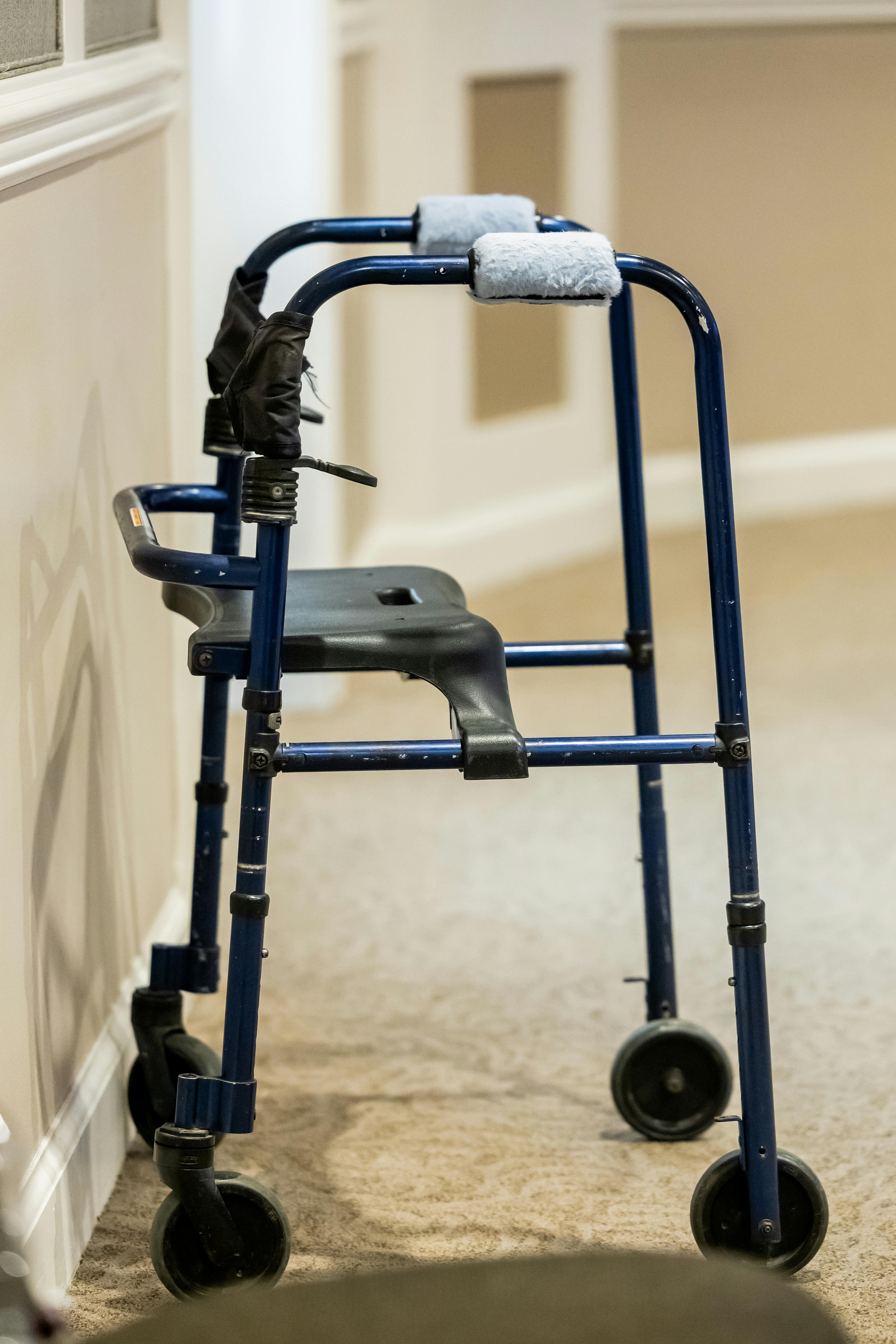
Best Mobility Aids After Hip Replacement Surgery
A recovery timeline guide to the best mobility aids after hip replacement surgery. Covers walkers, canes, raised toilet ...
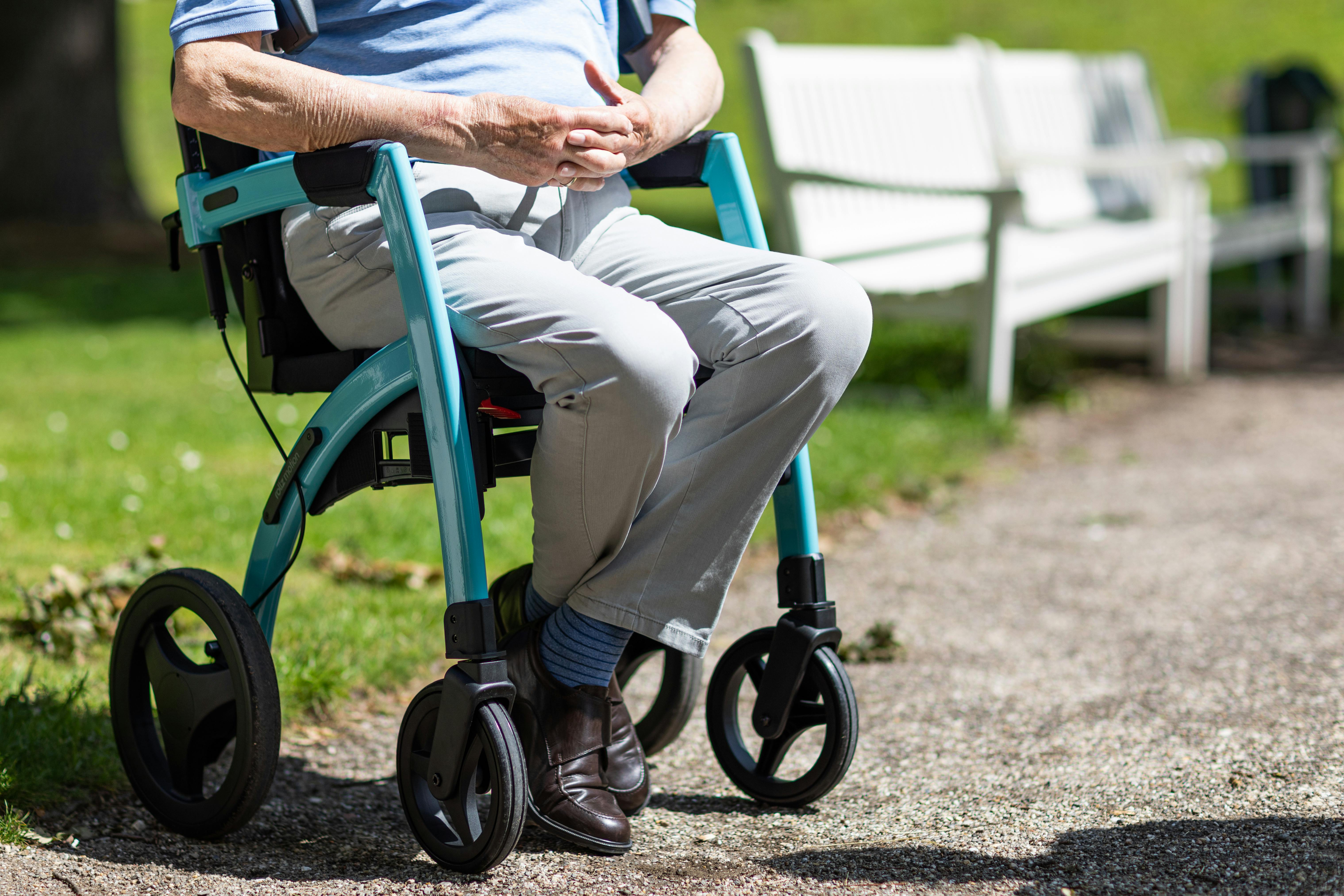
Rollator vs Walker: Which Mobility Aid Is Right for You?
Compare rollators and walkers side by side. Learn the key differences in wheels, brakes, seats, and stability to find th...

Knee Replacement Recovery: Weight-Bearing Progression and Equipment Guide
Understanding weight-bearing restrictions after knee replacement, how they affect equipment needs, physical therapy prog...