
Table of Contents
Key Takeaways
- Scooter carriers fall into three broad categories: exterior hitch mounted platforms, interior hoist lifts, and fully enclosed van conversions.
- Your scooter’s total weight, including the battery pack, is the single most important number when choosing any lift or carrier.
- Hitch mounted platform carriers are the most affordable option, typically $500 to $2,500 in 2026, while powered interior lifts for vans and SUVs run $2,500 to $6,000 installed.
- Every lift relies on a correctly rated trailer hitch, and SUVs, sedans, and minivans each have different mounting limits.
- Funding help is available through VA adaptive equipment grants, state vocational rehabilitation, and some manufacturer mobility rebate programs.
Why the Right Carrier Matters
A mobility scooter is only useful if you can take it with you. Many first time scooter owners buy a machine based on its features, then discover that it weighs far more than their car can safely carry or that it will not fit through a trunk opening. Choosing the carrier at the same time as the scooter avoids that expensive mistake and makes independent travel much easier.
The right choice depends on four variables: the total weight of the scooter with batteries, the type of vehicle you drive, how often you load and unload, and whether you can lift anything at all on your own. A travel scooter that weighs forty pounds in pieces is a very different transportation problem than a full sized four wheel model that weighs three hundred pounds assembled.
Category 1: Hitch Mounted Exterior Platforms
A hitch mounted platform is a flat steel carrier that slides into a Class II or Class III trailer hitch receiver on the back of your vehicle. You drive the scooter up a short ramp onto the platform and strap it down for the trip.
When they work well
- Class III receivers are rated for the loaded weight of the scooter plus the carrier itself.
- The driver can still walk around the back of the vehicle to load independently.
- The scooter itself rolls on and off under its own power.
- You are comfortable with the extra length the carrier adds to your parking footprint.
Price range in 2026
- Manual platform carriers for travel scooters: $250 to $700
- Standard platform carriers with folding ramp: $500 to $1,500
- Heavy duty platforms rated for 500 plus pounds: $1,500 to $2,500
- Powered swing away carriers for trunk access: $1,800 to $3,500
Things to watch
Platform carriers add twenty to thirty inches of length to your vehicle, which changes how the car handles and how you back into parking spaces. They also leave the scooter fully exposed to rain, snow, and road salt, so a quality weatherproof cover is a reasonable additional purchase. Heavy duty scooters that weigh over 400 pounds may exceed the tongue weight limit of smaller SUVs and sedans. Always check the vehicle manufacturer’s maximum tongue weight, not just the hitch rating. Our heavy duty mobility scooter guide lists typical weights for larger models.
Category 2: Interior Hoist Lifts
An interior hoist lift is a small powered arm that mounts inside the cargo area of a minivan, SUV, or full sized van. It uses a cable and sling, or a docking plate, to pick the scooter up and swing it inside the vehicle.
When they work well
- You drive a minivan or mid size SUV with a flat load floor.
- You need the scooter protected from the weather.
- You cannot walk the scooter up a ramp.
- You want the scooter to ride inside the passenger compartment for security.
Two common sub types
- Two point and four point slings. These use a fabric harness that wraps under the scooter. They are inexpensive but require you to position the harness correctly each time.
- Dock and lock systems. A small plate permanently attaches to the base of the scooter and clips directly to the hoist hook. These cost more but are much faster to operate.
Price range in 2026
- Basic sling hoist lifts, installed: $1,500 to $2,800
- Dock and lock power hoists, installed: $2,500 to $4,500
- Rotating arm hoists for larger SUVs, installed: $3,500 to $6,000
Hoists require a compatible vehicle. A compact car cannot safely carry any but the smallest travel scooter, and even then you may be better served by a folding or disassembling scooter that can ride in the back seat without any equipment at all.
Category 3: Full Van Conversions and Ramps
Drivers who use a power wheelchair or a full sized scooter every day often move beyond accessories and into a full van conversion. A converted minivan with a lowered floor and a fold out or in floor ramp lets the user roll directly into the vehicle without transferring. Our in depth overview of these vehicles is in the wheelchair accessible vehicle guide.
While a conversion costs considerably more than any bolt on carrier, the daily convenience is significant for anyone who loads and unloads multiple times a day. Many drivers who have a conversion also use adaptive driving controls so they can operate the vehicle themselves.
Matching a Carrier to Your Vehicle
The table below is a general reference. Always confirm the exact hitch class, tongue weight, and cargo area dimensions for your specific vehicle before buying.
- Compact sedan: travel scooter plus manual platform carrier, up to about 150 pounds total.
- Midsize sedan: travel or mid size scooter on a Class II or III platform, up to about 300 pounds.
- Small SUV or crossover: mid size scooter on a Class III platform or a basic interior sling hoist.
- Minivan: most standard three and four wheel scooters with an interior hoist or full conversion.
- Full size SUV or pickup: heavy duty scooters on a Class III or Class IV platform carrier with adequate tongue weight.
- Full size van: any scooter with an interior hoist, rotating arm lift, or full conversion.
Installation and Safety
Most carriers and lifts are installed by a mobility equipment dealer who is certified by the National Mobility Equipment Dealers Association. A proper installation will include:
- Verification that the hitch and vehicle frame are rated for the full loaded weight.
- Electrical connection to the vehicle battery for powered lifts.
- Tie down testing with the actual scooter in place.
- A written fit and function check plus a demonstration of safe loading.
Never exceed the rated weight of any component in the system, and re check the tie down straps after the first few miles of every trip. Straps loosen as a new scooter settles onto the carrier.
Funding Options
Carriers and lifts are not typically covered by Medicare or most private insurance plans. However, several programs can help:
- VA adaptive equipment grants for eligible veterans
- State vocational rehabilitation if the equipment is required for work
- Automaker mobility rebate programs of $500 to $1,000 on a new vehicle purchase
- Nonprofit grants tied to specific diagnoses or military service
- Flexible spending account or health savings account dollars in some circumstances
Common Questions About Hitch Ratings
Trailer hitches in the United States are classified by weight capacity. The relevant numbers for a scooter carrier are gross trailer weight, which is the maximum loaded weight the hitch is rated to tow, and tongue weight, which is how much weight the hitch can support directly downward. For a carrier, the tongue weight rating is the number that actually matters because there is no trailer, just a dead load hanging off the back.
- Class I hitches support up to 200 pounds of tongue weight. These are only suitable for the smallest folding travel scooters.
- Class II hitches support up to 350 pounds. Many travel and mid size scooters fit within this limit when the carrier weight is included.
- Class III hitches support up to 600 pounds and are the most common choice for full size scooters.
- Class IV hitches support up to 1,000 pounds and are generally used on pickups and full size SUVs.
Always subtract the weight of the carrier itself from the hitch rating before calculating how much scooter capacity you actually have.
Electrical and Lighting Considerations
Larger platform carriers and most powered lifts block the factory brake lights and license plate. To stay legal on US roads, the carrier needs its own lighting kit with brake lights, turn signals, and a license plate holder. Some kits plug directly into a standard four pin trailer connector, while others require a small wiring job on the vehicle. A certified installer will handle this during installation and verify that all lights function correctly.
Powered lifts also draw power from the vehicle battery and need a dedicated fused circuit. A properly installed lift should not drain the battery when the vehicle is parked, but leaving the lift motor in an unusual position for extended periods can cause slow discharge. If you plan to leave the vehicle sitting for more than a few weeks, disconnect the lift power or use a trickle charger.
Practical Tips for Long Trips
If you plan to travel with your scooter regularly, a few small habits save time and reduce wear:
- Carry a basic tool kit that matches the fasteners on your carrier.
- Keep an extra set of tie down straps in the vehicle.
- Inspect the hitch pin and safety clip before every drive.
- Cover the scooter anytime it is left on an exterior platform overnight.
- Plan fuel and rest stops that have level, firm parking so you are not ramping the scooter at an angle.
Frequently Asked Questions
Do I need a trailer hitch to use a scooter carrier?
Yes. All exterior platform carriers require a permanently installed trailer hitch receiver rated for the loaded weight of the carrier plus the scooter. A mobility dealer or a hitch installer can add one to most vehicles.
Will a carrier void my vehicle warranty?
A properly installed carrier that stays within the manufacturer’s tongue weight and hitch ratings should not affect the factory warranty. Damage caused by overloading or improper installation is generally not covered.
How much does a scooter lift weigh on its own?
Manual platform carriers typically weigh 50 to 100 pounds. Powered platforms and interior hoists range from 80 to 180 pounds. That weight counts against your vehicle’s total carrying capacity and hitch rating.
Can I transport a power wheelchair on a scooter carrier?
Only if the carrier is specifically rated for the weight and footprint of the wheelchair. Many power wheelchairs are heavier than scooters and have different tie down points, so confirm compatibility with the carrier manufacturer.
Is it safe to drive with a scooter on a hitch carrier in bad weather?
A well secured scooter with weatherproof covering can be driven in rain and light snow, but heavy storms, salted roads, and long highway trips cause extra wear. For frequent bad weather travel, an interior hoist or full van conversion is a better long term solution.
The MobilityLane Team
Written by a caregiver with 18+ years of experience supporting family members with chronic illness and mobility challenges, and medical training in mobility recovery. We research and write about mobility solutions to help people maintain independence and quality of life.
Learn more about us →Stay Independent, Stay Informed
Get our weekly guide to mobility solutions, funding tips, and home safety resources delivered to your inbox.
Thank you! Check your inbox to confirm your subscription.
Something went wrong. Please try again.
Join 1,000+ caregivers and families. Unsubscribe anytime.
Related Guides
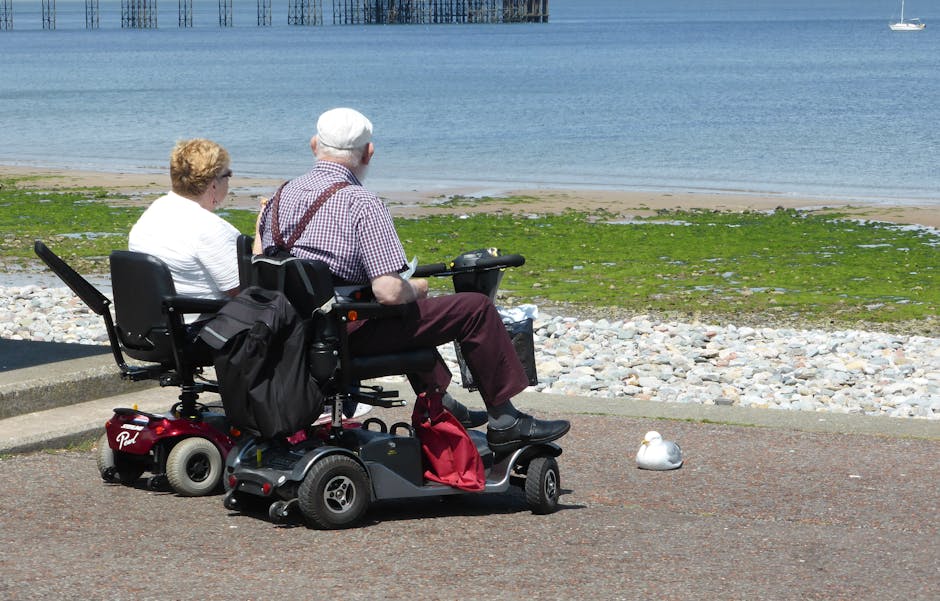
Heavy-Duty Mobility Scooters: What to Know Before You Buy
A complete guide to heavy-duty and bariatric mobility scooters. Covers weight capacities, motor power, suspension, terra...
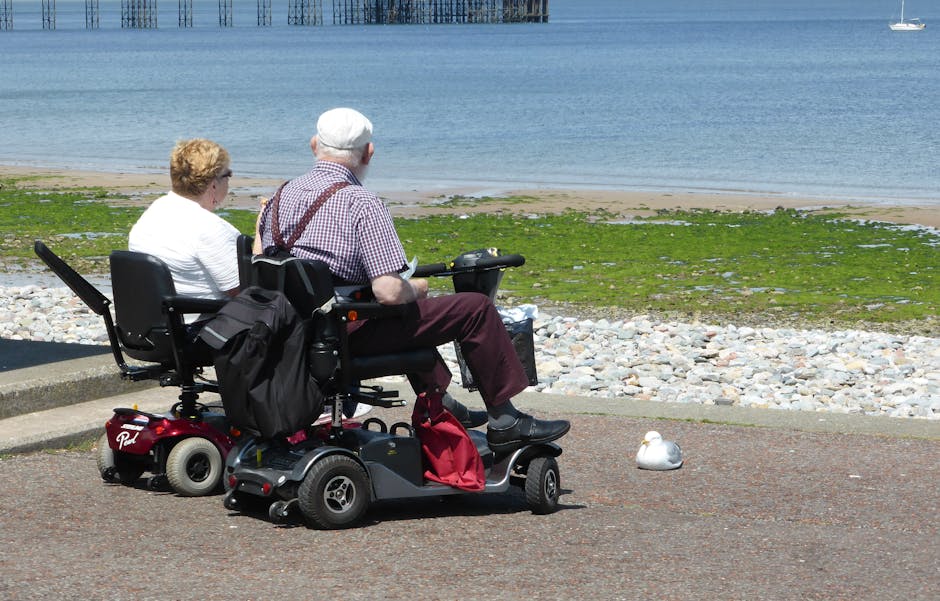
Travel Scooters vs Full-Size Scooters: How to Choose the Right Fit
A side-by-side comparison of travel and full-size mobility scooters covering weight, range, portability, comfort, terrai...
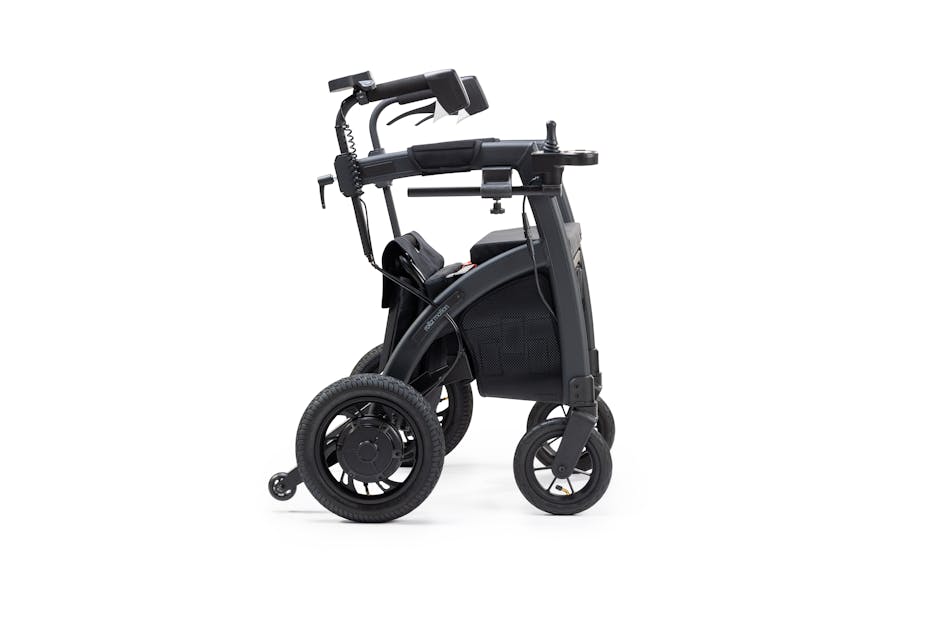
Folding vs Disassembling Mobility Scooters: Which Is Right for You?
Compare folding and disassembling mobility scooters side by side. Covers portability, weight, trunk fit, ease of use, an...