Table of Contents
Key Takeaways
- Airlines are required by the Air Carrier Access Act to transport your mobility scooter as checked baggage at no additional charge, regardless of the scooter’s size or weight
- Battery type is the most critical factor for airline approval: lithium-ion batteries under 300 watt-hours are allowed by most airlines, while sealed lead-acid batteries face fewer restrictions but add significant weight
- You must notify your airline at least 48 hours before departure that you will be traveling with a mobility scooter, though earlier notice is strongly recommended
- TSA screening of mobility scooters follows specific procedures and you are never required to transfer out of your scooter unless you choose to or a physical inspection of the scooter itself is necessary
- Damage to mobility devices during air travel is covered by the airline under federal law, but preventing damage through proper preparation is always better than filing a claim afterward
Your Legal Rights When Flying with a Mobility Scooter
Before diving into the practical details, understanding your legal protections sets the foundation for confident travel. The Air Carrier Access Act (ACAA), enforced by the Department of Transportation, prohibits airlines from discriminating against passengers with disabilities. Under this law, airlines must:
- Accept your mobility scooter as checked baggage at no charge, even if it exceeds normal size and weight limits
- Allow you to use your scooter in the airport up to the gate
- Return your scooter to you at the gate or jet bridge upon arrival (you can request this)
- Take responsibility for damage that occurs during handling
- Provide an aisle chair to help you board the aircraft
These rights apply to all flights departing from, arriving in, or operating within the United States, regardless of which airline you fly. Once you arrive, our list of the most accessible travel destinations in the US can help you plan an itinerary built around mobility-friendly venues. International flights to or from the U.S. are also covered. For flights between two foreign countries on a non-U.S. carrier, protections vary.
Knowing your rights matters because airline gate agents and ground crew do not always know the rules. Politely but firmly citing the ACAA can resolve most disputes. If you encounter problems, you can file a complaint with the DOT, and airlines take these complaints seriously.
TSA Screening Procedures for Mobility Scooters
Getting through airport security with a mobility scooter involves a specific process that differs from standard passenger screening.
What to Expect at the Security Checkpoint
When you approach the TSA checkpoint, let the officer know you are using a mobility scooter. You will be directed to an accessible screening lane (not all lanes accommodate scooters). Here is the typical process:
Step 1: You remain in your scooter. TSA officers will screen you while you are seated in your scooter. You do not need to transfer out unless you choose to or unless a more thorough inspection of the scooter is needed.
Step 2: Swab testing. The officer will swab the scooter’s surfaces (handlebars, seat, armrests) and test the swab for explosive residue. This takes about 30 seconds and is painless.
Step 3: Visual and physical inspection. The officer will visually inspect the scooter, looking under the seat, in storage compartments, and around the battery compartment. They may ask you to open any storage pouches or bags attached to the scooter.
Step 4: Pat-down if needed. Because you cannot walk through the metal detector while in a scooter, you may receive a pat-down screening. You have the right to request a private screening if you prefer.
Step 5: Your belongings go through the X-ray. Any bags, coats, or personal items you are carrying will go through the X-ray machine as usual.
Tips for Faster TSA Screening
- Arrive early. Add at least 30-45 minutes to your normal arrival time. Accessible screening can take longer, especially at busy airports.
- Remove loose items beforehand. Take bags, water bottles, and accessories off your scooter before reaching the checkpoint. This speeds up the visual inspection.
- Consider TSA PreCheck. If you have PreCheck, you still go through the accessible lane, but the screening process may be slightly faster and you are less likely to receive a pat-down.
- Carry your scooter documentation. While TSA does not require a prescription or medical letter, having documentation can help if there are questions about the scooter or its battery.
Battery Rules: The Most Important Detail
Battery type and size determine whether your scooter can fly and what procedures apply. Airlines follow regulations set by the Federal Aviation Administration (FAA) and the International Air Transport Association (IATA).
Sealed Lead-Acid (SLA) Batteries
Also called gel cell or AGM batteries, these are the most common type in older and heavier scooters. Airlines generally accept SLA batteries without significant restrictions because they are non-spillable. However:
- The battery must be non-spillable (most modern SLA batteries are, but verify yours)
- The battery stays installed in the scooter during transport if the scooter can be loaded upright
- If the scooter must be loaded on its side, the airline may require the battery to be removed and packaged separately in a protective box provided by the airline
- There is no watt-hour limit for SLA batteries in mobility devices
Lithium-Ion Batteries
Lithium-ion batteries are found in most modern travel scooters because they are lighter and charge faster. However, they face stricter regulation:
- Under 100 Wh: Accepted by virtually all airlines with no special procedures
- 100-300 Wh: Accepted by most airlines. Some require advance notice and may ask that the battery be removed and carried in the cabin (in your carry-on) rather than staying installed in the scooter in the cargo hold
- Over 300 Wh: Most airlines will not transport batteries exceeding 300 Wh. If your scooter has a large lithium-ion battery pack, verify the watt-hour rating before booking
How to find your battery’s watt-hour rating: Check the battery label for a Wh rating. If only voltage (V) and amp-hours (Ah) are listed, multiply them: V x Ah = Wh. For example, a 24V, 10Ah battery is 240 Wh.
Dry Cell and NiMH Batteries
These are less common but are generally accepted without restrictions similar to SLA batteries. Verify with your specific airline.
What the Airline Does with Your Battery
When your scooter is checked at the gate, airline ground crew must handle the battery according to specific protocols:
- Scooter is powered off completely
- If the battery is removable and the airline requires removal, the terminals are protected with tape or caps to prevent short circuits
- The scooter is secured in the cargo hold to prevent movement during flight
- On arrival, the scooter is reassembled (if disassembled) and the battery reconnected before returning it to you
You should know how to disconnect and reconnect your scooter’s battery yourself, in case ground crew are unfamiliar with your specific model. Practice this at home before your trip.
Step-by-Step: How to Fly with Your Mobility Scooter
Two Weeks Before Your Flight
Notify the airline. Call the airline’s disability assistance line (not the general reservations number) and inform them you will be traveling with a mobility scooter. Provide:
- Scooter dimensions (length, width, height)
- Total weight including battery
- Battery type (SLA, lithium-ion, etc.) and watt-hour rating
- Whether the scooter folds or disassembles
- Whether you need an aisle chair to board the aircraft
Most airlines note this information on your reservation. Request a confirmation number or reference for the assistance request.
Verify battery compliance. Double-check that your battery meets the airline’s requirements. If your scooter uses lithium-ion batteries over 100 Wh, confirm the airline’s specific policy.
Check your scooter’s condition. Make sure your scooter is in good working order. If it has known damage or loose parts, get repairs done before traveling. Document the scooter’s condition with photographs.
One Day Before Your Flight
Charge your battery fully. A full charge ensures your scooter is ready when you arrive at your destination and may be relevant for airline safety checks (some airlines verify that batteries are not visibly damaged or leaking).
Pack a small toolkit. A basic set of hex wrenches and screwdrivers appropriate for your scooter lets you make minor adjustments after the scooter is returned to you.
Prepare protective materials. Bring a small roll of bubble wrap or foam padding to wrap around fragile components like mirrors, baskets, or controls. Remove any accessories that could break off during handling and carry them with you.
At the Airport
Use your scooter through the airport. Drive your scooter to your gate. You are entitled to use it throughout the terminal. Airport wheelchair assistance is available if needed, but most scooter users prefer driving themselves.
Gate check your scooter. At the gate, inform the gate agent that you need to check your scooter. They will tag it and arrange for ground crew to take it.
Power off and prepare the scooter. Turn off the scooter completely. If the airline requires battery removal, disconnect it now. Hand the battery to a crew member if it needs to be stored separately.
Board using the aisle chair. If the jet bridge does not accommodate your scooter directly to the aircraft door, an aisle chair (a narrow wheelchair designed for airplane aisles) will be provided.
On Arrival
Request gate return. When you booked your assistance, you should have requested gate-side return of your scooter. This means the scooter is brought to the jet bridge or gate area rather than to the baggage carousel.
Inspect immediately. Before leaving the gate area, power on your scooter and check it thoroughly. Test the drive, steering, brakes, and lights. Inspect for visible damage. If anything is wrong, report it to an airline representative before leaving the airport. Damage reported later is harder to claim.
What to Do If Your Scooter Is Damaged
Airlines are legally responsible for damage to mobility devices that occurs during transport. If your scooter is damaged:
- Report it immediately at the airport, before you leave. Insist on filing a written damage report with the airline’s baggage service office.
- Document everything with photos and video of the damage.
- Get a repair estimate from a qualified mobility equipment dealer.
- File a formal claim with the airline within 24 hours if possible.
- Request a loaner. While your scooter is being repaired, the airline should provide a comparable replacement at no cost.
- Contact the DOT if the airline is uncooperative. Filing a complaint with the Department of Transportation’s Aviation Consumer Protection Division gets attention.
The airline must repair or replace your scooter. They cannot simply reimburse you a depreciated value for a used device. Repair or equivalent replacement is the standard.
Choosing the Right Scooter for Air Travel
Not all scooters are equally suited to flying. If you travel frequently, certain features make a significant difference.
Ideal Features for an Air-Travel Scooter
- Lithium-ion battery under 300 Wh for easier airline compliance
- Folding or quick-disassemble design with no tools required (see our folding vs. disassemble comparison)
- Compact folded dimensions that fit through aircraft cargo doors
- Durable construction that withstands the inevitable rough handling by ground crews
- Removable battery that you can easily disconnect and carry in the cabin if required
If you are deciding between a travel scooter and a full-size model, our travel vs. standard scooter comparison covers the trade-offs in detail. For general guidance on selecting the right scooter for your needs, see our mobility scooter buying guide.
Scooters That Are Difficult to Fly With
- Heavy-duty scooters over 200 pounds may not fit through cargo doors on smaller aircraft
- Scooters with large lithium-ion batteries over 300 Wh may be refused by airlines
- Scooters with non-removable batteries create complications if the airline requires battery removal for safety
- Three and four-wheel scooters with fixed frames that cannot be partially disassembled take up excessive cargo space
International Travel Considerations
Flying internationally with a mobility scooter involves additional planning.
Battery regulations vary by country. While IATA guidelines are widely followed, some countries and airlines have stricter battery rules. Always check with the specific airline and review the destination country’s regulations.
Electrical compatibility. Your scooter charger may need a plug adapter for your destination. Voltage differences (110V vs. 220V) usually are not an issue with modern chargers that accept 100-240V input, but verify this on your charger’s label before traveling.
Scooter laws at your destination. Mobility scooter regulations differ around the world. Some countries restrict where scooters can be used, require registration, or have different rules about sidewalk and road use. Review our guide to mobility scooter laws and regulations and research your specific destination.
Travel insurance. Standard travel insurance may not adequately cover a mobility scooter. Look for policies that specifically cover mobility aids or consider a rider for your homeowner’s or renter’s insurance.
Airport Accessibility Resources
Most major airports have disability assistance coordinators who can help you navigate the airport. Useful resources include:
- Airline disability assistance hotlines: Found on each airline’s website under “special assistance” or “accessibility”
- Airport information desks: Can direct you to accessible routes, elevators, and charging stations
- TSA Cares helpline (855-787-2227): A dedicated line for travelers with disabilities to get advance information about screening procedures
- Wheelchair-accessible vehicle services at your destination, which our wheelchair-accessible vehicle guide covers in more detail
Frequently Asked Questions
Can an airline refuse to transport my mobility scooter?
Under the Air Carrier Access Act, airlines cannot refuse to transport your mobility scooter solely because of its size or weight. However, they can refuse a scooter if the battery does not meet FAA safety requirements (for example, a lithium-ion battery exceeding 300 Wh on an airline that does not accept that size). They can also refuse if the scooter physically cannot fit through the aircraft’s cargo door, though this is rare with standard commercial aircraft. If an airline refuses your scooter improperly, file a complaint with the DOT.
Do I need a doctor’s letter to fly with my mobility scooter?
No. The ACAA does not require a prescription, doctor’s letter, or any medical documentation to fly with a mobility scooter. You do not need to prove your disability to the airline. However, carrying basic documentation (like a letter from your physician or your scooter’s prescription) can occasionally help resolve confusion with unfamiliar airline staff. Some international airlines outside of ACAA jurisdiction may have different documentation requirements, so check with the carrier for international travel.
How early should I arrive at the airport when flying with a scooter?
Plan to arrive at least two and a half to three hours before a domestic flight and three to four hours before an international flight. This gives you time for the accessible security screening process, navigating the terminal at scooter speed, and arriving at the gate early enough to arrange the gate check with crew. Rushing through an airport on a scooter while anxious about making your flight is stressful and unnecessary with early arrival.
What happens to my scooter during a connecting flight?
Your scooter is transferred between aircraft by the airline’s ground crew, similar to checked luggage. If you requested gate-side return, you should receive your scooter during layovers to use in the connecting airport. When booking connecting flights, allow enough layover time (at least 90 minutes domestically, two hours or more internationally) for the scooter to be returned, used through the terminal, and checked again at the next gate.
Can I bring a spare battery on the plane?
For lithium-ion batteries, spare batteries under 100 Wh can be carried in your carry-on baggage (never in checked baggage). Spare batteries between 100 and 300 Wh require airline approval and must also be carried in the cabin. Spare batteries over 300 Wh cannot be transported on passenger aircraft. For SLA batteries, spare batteries are generally not practical to carry due to weight and are subject to airline discretion. If you need extended range at your destination, consider renting or purchasing a spare battery locally.
The MobilityLane Team
Written by a caregiver with 18+ years of experience supporting family members with chronic illness and mobility challenges, and medical training in mobility recovery. We research and write about mobility solutions to help people maintain independence and quality of life.
Learn more about us →Stay Independent, Stay Informed
Get our weekly guide to mobility solutions, funding tips, and home safety resources delivered to your inbox.
Thank you! Check your inbox to confirm your subscription.
Something went wrong. Please try again.
Join 1,000+ caregivers and families. Unsubscribe anytime.
Related Guides
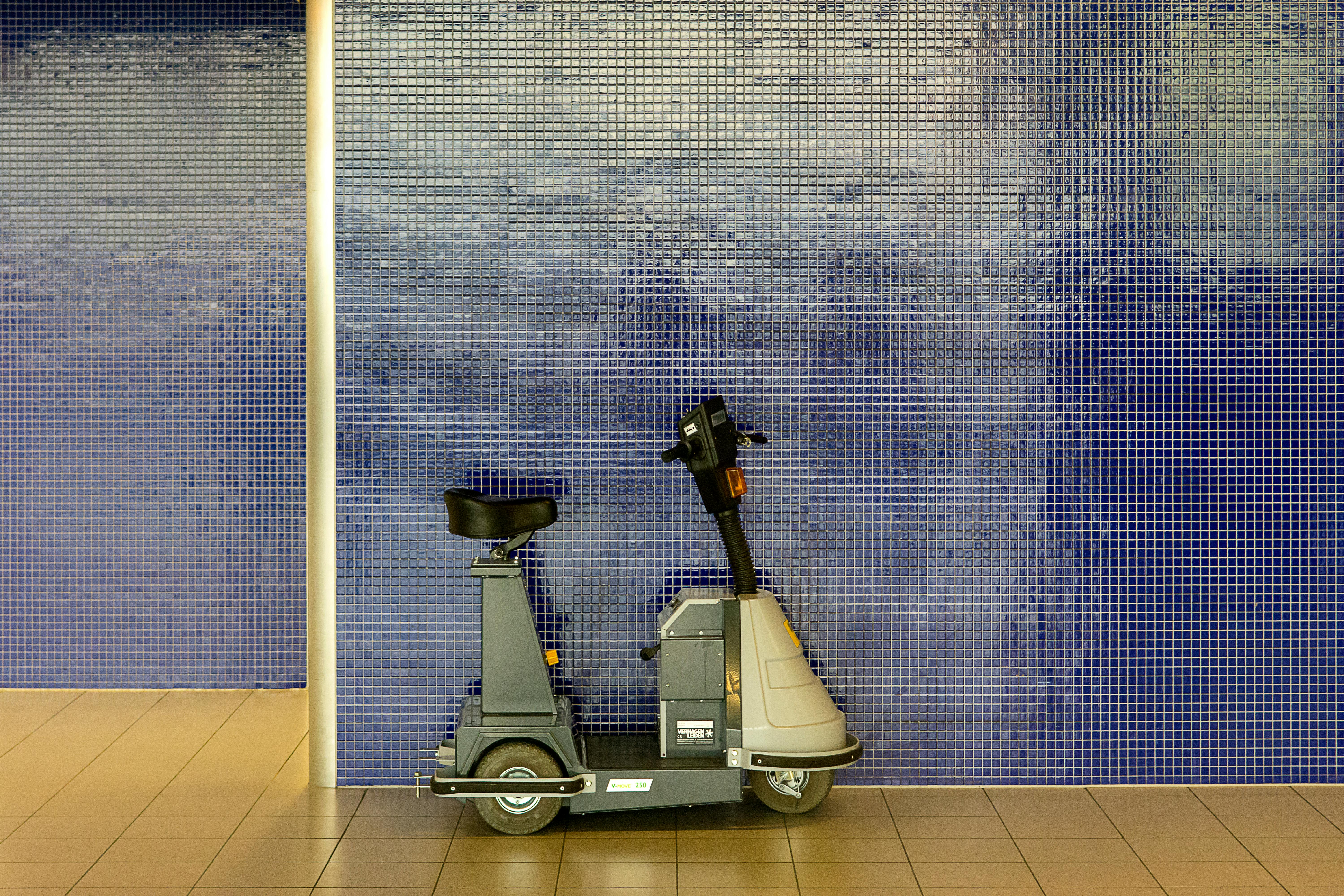
Travel Mobility Scooters: Best Folding Models for Flying
The best travel mobility scooters for airline flights in 2026. Compare 6 folding models with battery specs, weights, and...
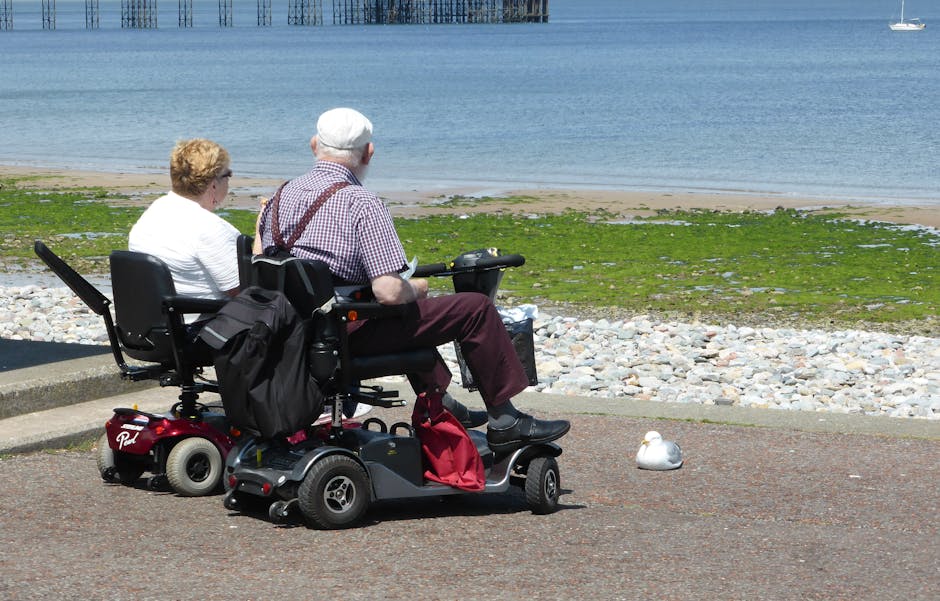
Travel Scooters vs Full-Size Scooters: How to Choose the Right Fit
A side-by-side comparison of travel and full-size mobility scooters covering weight, range, portability, comfort, terrai...
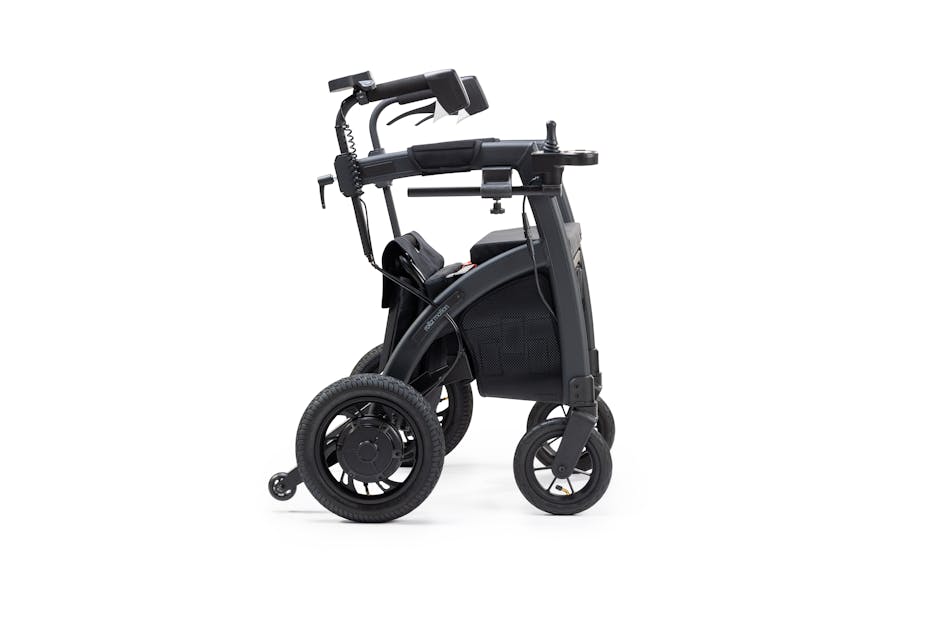
Folding vs Disassembling Mobility Scooters: Which Is Right for You?
Compare folding and disassembling mobility scooters side by side. Covers portability, weight, trunk fit, ease of use, an...