Table of Contents
Key Takeaways
- Regular exercise improves cardiovascular health, reduces pressure sore risk, and helps preserve the strength needed for daily transfers and independence.
- A balanced routine for wheelchair users includes upper body strength work, seated cardio, flexibility, and core stability.
- Most wheelchair users can safely exercise at home with a few inexpensive pieces of equipment once they have clearance from a physician or physical therapist.
- Adaptive sports such as wheelchair basketball, handcycling, pickleball, and paddling offer social and fitness benefits in hundreds of US communities.
- Always warm up, watch for overuse of the shoulders, monitor skin at bony contact points, and stop any exercise that causes sharp pain or unusual fatigue.
Why Regular Exercise Matters
Exercise is important for everyone, but it is especially important for people who use wheelchairs. Daily life in a chair places significant repetitive strain on the shoulders, elbows, and wrists, and sitting for long periods reduces cardiovascular fitness and circulation. A well designed exercise routine helps offset those risks, supports weight management, and preserves the strength needed for transfers, propulsion, and independent living.
Before beginning any new program, talk with your physician or physical therapist, especially if you have had recent surgery, cardiac concerns, autonomic dysreflexia history, or a pressure sore. Those same professionals can match a routine to your diagnosis and equipment, a process that often overlaps with the discussion families already have when choosing a chair, as described in our spinal cord injury wheelchair selection guide.
The Four Pillars of a Balanced Routine
A good weekly plan combines four types of work. Most wheelchair users benefit from doing something from each category at least two or three times per week.
Upper body strength
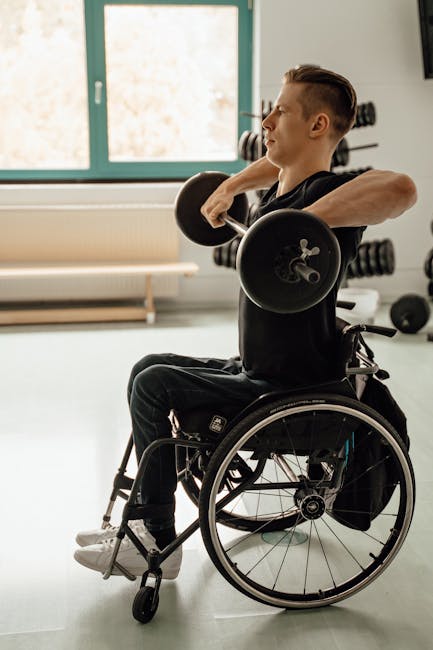
Upper body strength is the foundation of wheelchair independence. Stronger shoulders, chest, back, and arms make propulsion easier, reduce fatigue, and protect joints from overuse injuries. Common exercises include:
- Seated dumbbell shoulder press
- Chest press with resistance band or cable stack
- Seated rows and face pulls for back and posture
- Biceps curls and triceps extensions
- Wrist curls and forearm work to support grip
Start with light resistance and focus on full range of motion. Two or three sets of eight to twelve repetitions is a reasonable goal for most beginners.
Seated cardio
Cardiovascular exercise strengthens the heart and improves endurance. Options include:
- Arm ergometer, sometimes called an upper body cycle
- Resistance band boxing or shadow boxing drills
- Seated aerobic videos designed specifically for wheelchair users
- Handcycles and hand powered recumbent bikes
- Brisk propulsion on a flat indoor or outdoor path
Aim for at least 150 minutes of moderate cardio per week, broken into sessions of 20 to 40 minutes. If that feels like too much at first, start with five minutes and add a little time each week.
Flexibility and mobility
Seated living shortens the hip flexors, hamstrings, pecs, and shoulders. Daily stretching keeps joints moving and reduces pain. A simple five minute routine can include:
- Chest opener stretch
- Shoulder rolls and cross body stretches
- Neck side bends and gentle rotation
- Seated hamstring stretch with a strap
- Hip flexor stretch in a supine position if transfers are possible
Core and balance
Even for people with limited trunk control, core work is valuable. Isometric holds, supported trunk rotations, and medicine ball passes can all build stability. A stronger core improves posture, transfers, and reduces fatigue during propulsion.
Home Equipment That Actually Gets Used
You do not need a gym membership to build a useful home routine. A small starter set might include:
- A set of light and medium resistance bands
- Two pairs of dumbbells, often five and ten pounds to begin
- A non slip exercise mat
- A stopwatch or free interval timer app
- An arm ergometer or tabletop pedal unit if budget allows
Store equipment in a visible, reachable place. The best program is one that is easy to start on a busy day.
Adaptive Sports and Community Programs
Organized adaptive sports provide fitness, friendship, and competition for wheelchair users of all skill levels. In the United States, programs can be found in most large cities and in many smaller ones. Popular options include:
- Wheelchair basketball
- Wheelchair rugby
- Wheelchair tennis and pickleball
- Handcycling and para cycling
- Adaptive rowing and paddling
- Archery, shooting, and boccia
- Adaptive yoga and Pilates classes
Many local parks and recreation departments now host wheelchair sports nights, and universities with adaptive athletics programs often welcome community members. Disabled Sports USA and the Challenged Athletes Foundation maintain national directories that make it easy to find programs nearby.
For families, consider that a service animal can also be a motivating partner during outdoor walks and recreation. Our guide on service animals for mobility support explains how trained dogs can assist during exercise outings.
Safety Considerations
Exercise is generally safe for wheelchair users, but a few specific risks deserve attention.
- Shoulder overuse. The shoulders are both a propulsion joint and an exercise joint, so training volume must be balanced with daily wheeling demands. Watch for pain that lingers more than 48 hours.
- Skin and pressure. Long workouts can cause heat, moisture, and shear at sitting bones and the tailbone. Pressure relief every 15 to 30 minutes is essential. Our guide to pressure sore prevention for wheelchair users details practical steps.
- Autonomic dysreflexia. People with spinal cord injuries at T6 and above should learn the warning signs and have a plan to respond quickly.
- Heat and hydration. Exercise raises core temperature and some wheelchair users do not sweat normally. Work in cool environments and drink water before, during, and after.
- Equipment check. Propelling harder during cardio can loosen tires, bolts, and spokes. A basic weekly inspection as described in our wheelchair maintenance and care guide keeps the chair safe and efficient.
Detailed Upper Body Routine
For readers who want a more specific starting point, the routine below is a safe, balanced beginner plan. It can be done two or three times per week with a rest day between sessions. Use a weight that allows you to complete all repetitions with good form but that feels challenging by the last two reps.
- Warm up with five minutes of easy arm cycling or large shoulder circles.
- Seated dumbbell shoulder press. Two sets of ten repetitions. Keep the elbows slightly in front of the body rather than flared out to the sides to protect the rotator cuff.
- Seated row with a resistance band anchored at chest height. Two sets of twelve repetitions. Squeeze the shoulder blades together at the end of each pull.
- Chest press with dumbbells or a band. Two sets of ten repetitions. Lower the weights slowly under control.
- Biceps curl. Two sets of twelve repetitions. Keep the elbows close to the torso.
- Triceps kickback or band pushdown. Two sets of twelve repetitions.
- Rear delt fly with light dumbbells or bands. Two sets of twelve repetitions. This exercise supports posture and balances the front of the shoulder.
- Cool down with two minutes of gentle stretching across the chest and shoulders.
The whole session takes about 25 to 30 minutes including rest between sets. Progression over four to six weeks can be as simple as adding one repetition per set each week, then moving up to the next weight when the higher rep count feels easy.
Seated Cardio Intervals
Interval training is an efficient way to build endurance without spending an hour per day exercising. A simple interval workout on an arm ergometer or handcycle might look like this:
- Warm up at an easy pace for five minutes.
- Work hard for 30 seconds at a pace you could not sustain for more than a minute, then recover easily for 90 seconds.
- Repeat the work and recovery cycle six to eight times.
- Cool down easily for five minutes.
This entire session takes under 25 minutes but produces strong cardiovascular benefits. Beginners should start with just three or four intervals and add one per week.
A Simple Starter Week
For a wheelchair user who is new to exercise, a beginner week might look like this:
- Monday: 15 minutes of upper body strength plus 10 minutes of seated cardio
- Tuesday: 10 minutes of stretching and core work
- Wednesday: 20 minutes of seated cardio
- Thursday: 15 minutes of upper body strength plus 10 minutes of stretching
- Friday: 20 minutes of seated cardio
- Saturday: Adaptive sport, community class, or outdoor wheeling
- Sunday: Full rest or gentle stretching
Progress by adding small amounts of time or resistance each week rather than by dramatic jumps. Consistency beats intensity over the long term.
Support for Caregivers
Caregivers often play an important role in supporting an exercise routine, whether by setting up equipment, spotting during transfers, or joining in adaptive sports. Helping with workouts can be physically and emotionally demanding, especially alongside the other daily tasks of caregiving. Family members should review our caregiver burnout prevention article to make sure the caregiver is also taking care of their own health.
Frequently Asked Questions
How often should a wheelchair user exercise?
Most adults benefit from at least 150 minutes of moderate cardio and two strength sessions per week, which is the same baseline recommendation as for non disabled adults. Wheelchair users can reach that total in shorter sessions spread through the week rather than long single workouts.
Is arm exercise enough to improve heart health?
Yes. Research consistently shows that upper body cardio such as arm ergometer work or handcycling produces real cardiovascular benefits, including improved blood pressure, cholesterol levels, and endurance.
Can I exercise if I have limited hand function?
Yes. Cuff weights, wrist wraps, and boxing style glove straps allow users with limited grip to complete most upper body exercises. A therapist or adaptive trainer can help set up the right tools.
What is the safest way to start strength training?
Begin with light resistance and high repetition to build tolerance, focus on full range of motion, and work with a physical therapist or adaptive trainer for at least the first few sessions. Add weight slowly, no more than about 10 percent per week.
Are adaptive sports expensive to join?
Many programs are free or very low cost. Community center leagues, university adaptive athletics programs, and nonprofit clubs typically provide equipment to borrow at no charge. Competitive handcycles and racing chairs are more expensive, but most beginners do not need specialty equipment to start.
The MobilityLane Team
Written by a caregiver with 18+ years of experience supporting family members with chronic illness and mobility challenges, and medical training in mobility recovery. We research and write about mobility solutions to help people maintain independence and quality of life.
Learn more about us →Stay Independent, Stay Informed
Get our weekly guide to mobility solutions, funding tips, and home safety resources delivered to your inbox.
Thank you! Check your inbox to confirm your subscription.
Something went wrong. Please try again.
Join 1,000+ caregivers and families. Unsubscribe anytime.
Related Guides

Pressure Sore Prevention for Wheelchair Users: Cushions, Schedules, and Skin Care
Complete guide to preventing pressure ulcers for full-time wheelchair users, including cushion selection, pressure-relie...

Caregiver Burnout: Warning Signs, Prevention, and Recovery
Recognize the signs of caregiver burnout and learn practical strategies for prevention. Covers physical and emotional sy...

Wheelchair Maintenance: How to Keep Your Chair in Top Shape
A practical guide to maintaining manual and power wheelchairs. Covers tire care, brake adjustments, battery maintenance,...