Mobility Scooters: Reviews, Guides & Buying Advice
Find the right mobility scooter with our independent reviews, buying guides, and Medicare coverage information. Travel, heavy-duty, folding, and all-terrain models compared.
Your Guide to Mobility Scooters
Mobility scooters give people with limited walking ability the freedom to shop, visit friends, attend events, and enjoy the outdoors without exhaustion or pain. Unlike wheelchairs, scooters are powered by rechargeable batteries and steered with a tiller (handlebar), making them intuitive to operate for most users. But the range of options can be dizzying: travel scooters, full-size scooters, folding models, heavy-duty units, and everything in between.
Our independent reviews and buying guides cut through the marketing to help you find the scooter that actually fits your life. We compare real-world range, portability, comfort, and value so you can buy with confidence.
Types of Mobility Scooters
Travel and Portable Scooters
Travel scooters are designed to disassemble or fold for car trunk storage and airline travel. They typically weigh 50 to 80 pounds total and break down into 4 to 5 manageable pieces. The heaviest single piece usually weighs 25 to 35 pounds. These scooters sacrifice some range and comfort for portability, making them ideal for errands, shopping trips, and vacations. Most offer a range of 8 to 15 miles per charge.
Full-Size and Mid-Size Scooters
Full-size scooters prioritize comfort and range over portability. With larger seats, longer wheelbases, better suspension, and bigger batteries, they handle longer distances and rougher terrain than travel models. Expect ranges of 15 to 25 miles per charge and weight capacities up to 350 pounds or more. These scooters work well for users who primarily need outdoor mobility and have a van, truck, or vehicle lift for transport.
Heavy-Duty and Bariatric Scooters
Heavy-duty scooters are built for users who need higher weight capacities (400 to 500 pounds), wider seats, and reinforced frames. They use more powerful motors and larger battery packs to handle the extra load without sacrificing performance. These models tend to be heavier and less portable, but they provide the durability and support that standard scooters cannot match.
Folding Scooters
Folding scooters represent the latest innovation in portable mobility. Unlike traditional travel scooters that disassemble into pieces, folding scooters collapse with a single motion into a compact, suitcase-like package. Many models weigh under 55 pounds and fit in airplane overhead bins or car trunks with minimal effort. They are the top choice for frequent travelers, though they typically offer shorter range and lower weight capacities than larger models.
All-Terrain Scooters
All-terrain scooters feature large pneumatic tires, full suspension systems, and higher ground clearance for use on grass, gravel, dirt paths, and uneven surfaces. They bridge the gap between standard scooters and off-road power chairs, giving outdoor enthusiasts the ability to enjoy parks, trails, and rough ground. These models are typically heavier and more expensive than standard scooters.
3-Wheel vs. 4-Wheel Scooters
Three-wheel scooters offer a tighter turning radius, making them better for indoor use and navigating tight spaces like store aisles. Four-wheel scooters provide greater stability, especially on uneven ground and slopes, making them the safer choice for outdoor use. If you will primarily use your scooter outdoors or on varied terrain, a four-wheel model is usually the better choice. For primarily indoor use, three wheels give you more maneuverability.
Key Features to Compare
When comparing scooters, pay attention to these critical specifications: weight capacity (always choose a model rated above your body weight), range per charge (real-world range is typically 70 to 80 percent of the manufacturer's claimed range), top speed (most scooters offer 4 to 8 mph), ground clearance (important for curb climbing and uneven surfaces), and turning radius (smaller is better for indoor use).
Comfort features matter too, especially if you will spend extended time in the scooter. Look for adjustable seats with armrests, adjustable tillers, suspension systems, and adequate legroom. A comfortable scooter gets used; an uncomfortable one sits in the garage.
Battery and Range Basics
Most mobility scooters use sealed lead-acid (SLA) or lithium-ion batteries. SLA batteries are less expensive but heavier and take longer to charge (8 to 12 hours). Lithium-ion batteries are lighter, charge faster (3 to 5 hours), and last more charge cycles, but cost significantly more upfront. Range depends on battery size, user weight, terrain, speed, and temperature. In cold weather, expect 10 to 20 percent less range.
Medicare Coverage for Scooters
Medicare Part B may cover a mobility scooter as durable medical equipment (DME) if your doctor certifies that you need it for use inside your home. Coverage typically pays 80 percent of the approved amount after you meet your annual deductible. You must get the scooter from a Medicare-approved supplier and have a face-to-face evaluation with your physician. Medicare Advantage plans may offer additional benefits beyond original Medicare. See our Funding and Insurance guide for complete details on the application process.
Explore our detailed scooter reviews, comparison guides, and buying advice below to find the model that matches your needs and budget.
Featured Guides

Most Accessible Travel Destinations in the US for Wheelchair and Scooter Users
Top accessible cities, national parks, and beaches in the United States for travelers using wheelchairs and mobility sco...
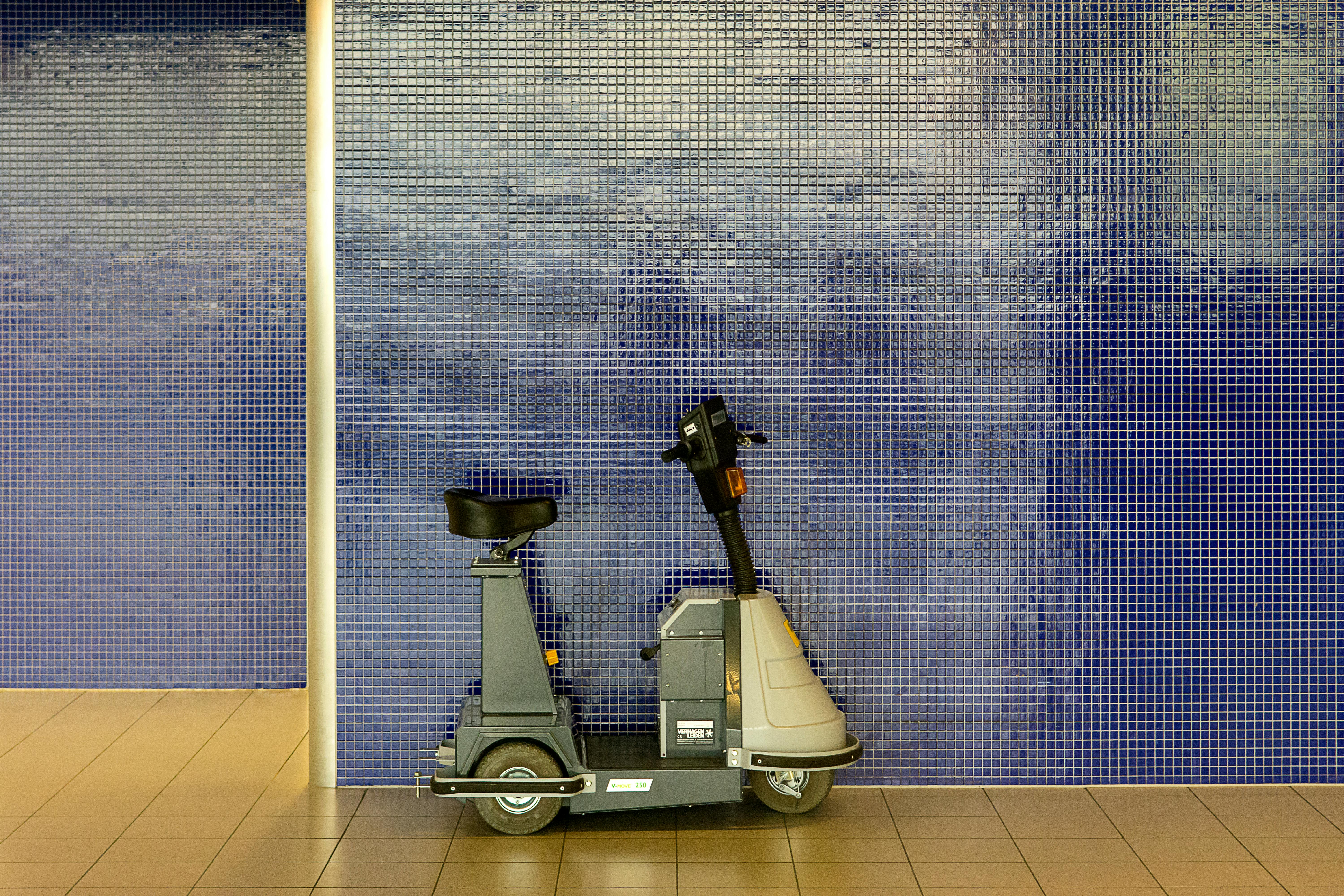
Travel Mobility Scooters: Best Folding Models for Flying
The best travel mobility scooters for airline flights in 2026. Compare 6 folding models with battery specs, weights, and...

Scooter Vehicle Lifts and Carriers: Types, Costs, and Installation
How to transport a mobility scooter in your vehicle using interior lifts, exterior carriers, and hitch-mounted platforms...

Buying a Used Mobility Scooter: What to Check Before You Buy
Complete guide to buying a used or refurbished mobility scooter. Covers where to find them, what to inspect, fair prices...
All Mobility Scooters: Reviews, Guides & Buying Advice Articles
Most Accessible Travel Destinations in the US for Wheelchair and Scooter Users
Top accessible cities, national parks, and beaches in the United States for travelers using wheelchairs and mobility sco...
Travel Mobility Scooters: Best Folding Models for Flying
The best travel mobility scooters for airline flights in 2026. Compare 6 folding models with battery specs, weights, and...
Scooter Vehicle Lifts and Carriers: Types, Costs, and Installation
How to transport a mobility scooter in your vehicle using interior lifts, exterior carriers, and hitch-mounted platforms...
Buying a Used Mobility Scooter: What to Check Before You Buy
Complete guide to buying a used or refurbished mobility scooter. Covers where to find them, what to inspect, fair prices...

TSA and Airline Rules for Mobility Scooters: A Complete Travel Guide
Step-by-step guide to flying with a mobility scooter including TSA screening procedures, battery regulations, airline-sp...
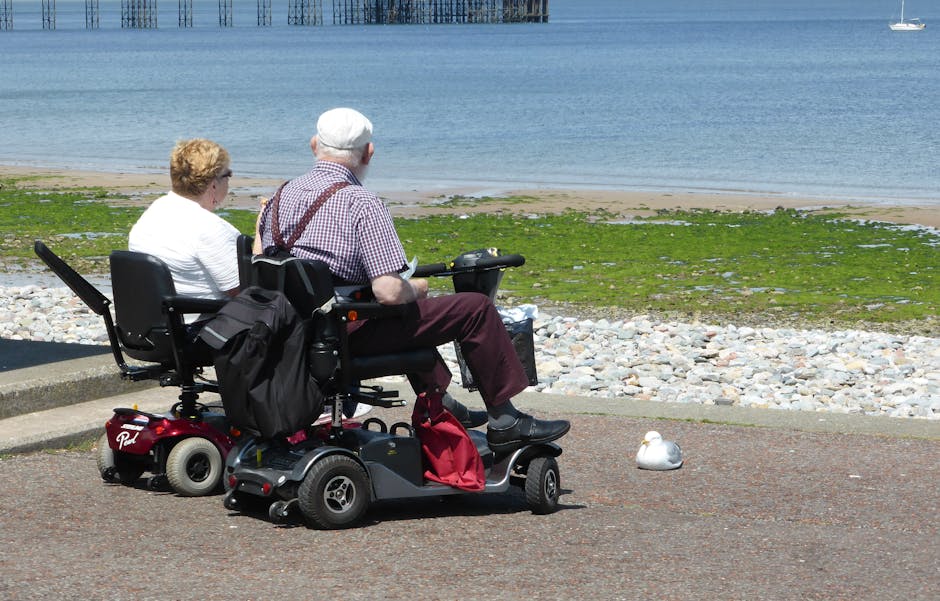
Travel Scooters vs Full-Size Scooters: How to Choose the Right Fit
A side-by-side comparison of travel and full-size mobility scooters covering weight, range, portability, comfort, terrai...

Best Mobility Scooters for Seniors: Top 8 Models Reviewed (2026)
Compare the 8 best mobility scooters for seniors in 2026. Covers travel, heavy-duty, indoor, outdoor, and folding models...

The Complete Guide to Choosing a Mobility Scooter
Learn how to choose the right mobility scooter with our buyer's guide covering types, features, battery range, Medicare ...

Heavy-Duty Mobility Scooter Specs Explained: Motors, Suspension, and Weight Capacity
Technical guide to understanding heavy-duty scooter specifications including motor wattage, suspension types, frame mate...
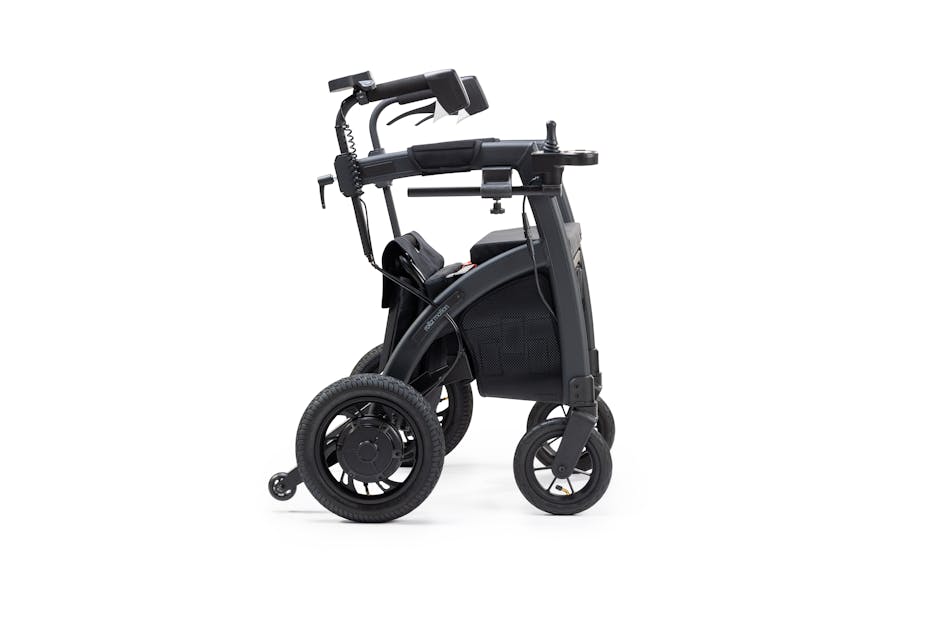
Folding vs Disassembling Mobility Scooters: Which Is Right for You?
Compare folding and disassembling mobility scooters side by side. Covers portability, weight, trunk fit, ease of use, an...
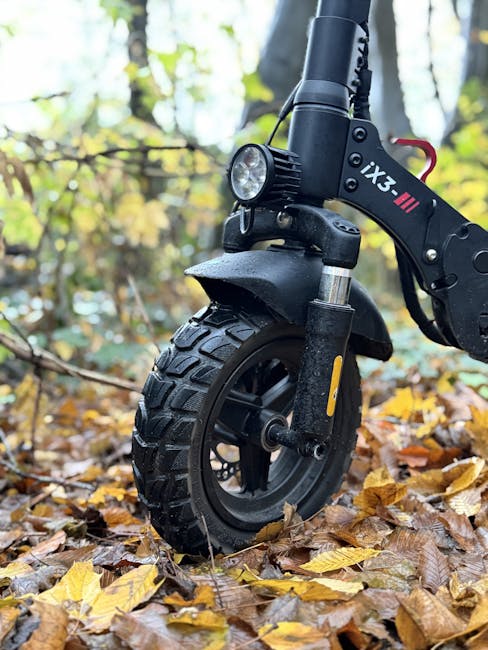
All-Terrain Mobility Scooters: A Guide to Outdoor Freedom
Everything you need to know about all-terrain mobility scooters for outdoor use. Covers tire types, suspension, ground c...

Mobility Scooter Laws and Regulations: Where Can You Legally Ride?
Understand the rules for riding a mobility scooter on sidewalks, roads, in stores, and on public transit. Covers ADA rig...
Heavy-Duty Mobility Scooters: What to Know Before You Buy
A complete guide to heavy-duty and bariatric mobility scooters. Covers weight capacities, motor power, suspension, terra...
Stay Independent, Stay Informed
Get our weekly guide to mobility solutions, funding tips, and home safety resources delivered to your inbox.
Thank you! Check your inbox to confirm your subscription.
Something went wrong. Please try again.
Join 1,000+ caregivers and families. Unsubscribe anytime.