Mobility Guides by Health Condition
Condition-specific mobility equipment recommendations for Parkinson's, arthritis, stroke recovery, hip/knee replacement, MS, and more. Find what works for your situation.
Why Condition-Specific Guidance Matters
Not all mobility challenges are the same. A person with Parkinson's disease faces different obstacles than someone recovering from a hip replacement, and the equipment that works well for arthritis may be completely wrong for someone with multiple sclerosis. Generic "best walker" lists rarely account for these differences, leaving people with equipment that does not address their specific needs.
Our condition-specific guides are written in consultation with physical therapy best practices and tailored to the unique challenges of each health condition. We explain not just what equipment to consider, but why it works for your specific situation and what features to prioritize.
Common Conditions Affecting Mobility
Parkinson's Disease
Parkinson's creates unique mobility challenges including freezing of gait (feet feeling "stuck" to the floor), shuffling steps, balance problems, and difficulty initiating movement. Specialized equipment for Parkinson's includes laser cue walkers that project a line on the floor to help break freezing episodes, weighted walkers that resist the forward lean common in Parkinson's gait, and U-step walkers designed specifically for the Parkinson's walking pattern. Standard rollators can actually be dangerous for Parkinson's users because they can roll away faster than the person can follow.
Arthritis
Arthritis affects the joints, making gripping, pushing, and weight-bearing painful. Mobility aids for arthritis should minimize hand strain with ergonomic grips, platform attachments for forearm support, and easy-to-operate braking systems. Lightweight models reduce the effort needed to maneuver the device. For severe hand arthritis, traditional loop brakes may be difficult to squeeze, making push-down brakes or platform walkers a better choice.
Stroke Recovery
Stroke often affects one side of the body, creating asymmetric strength and coordination challenges. One-hand-drive wheelchairs, hemi walkers (designed for one-handed use), and quad canes provide support during the recovery period. Equipment needs often change significantly during rehabilitation, starting with maximum support (wheelchair) and potentially progressing to a walker, then a cane, as strength and coordination return. Work closely with a physical therapist to match equipment to each stage of recovery.
Hip and Knee Replacement
Recovery from joint replacement surgery requires temporary mobility support, typically for 4 to 12 weeks. Most patients progress from a walker to a cane during this period. Key equipment includes a front-wheeled walker (for the first few weeks), a raised toilet seat (to maintain hip precautions), a reacher/grabber (to avoid bending), a shower chair, and eventually a single-point or quad cane. Your surgeon and physical therapist will guide the progression timeline specific to your surgery and recovery.
Multiple Sclerosis (MS)
MS symptoms can vary day to day and progress unpredictably over time, making flexibility in mobility equipment essential. Many people with MS use different devices depending on the day: a cane on good days, a rollator for longer outings, and a scooter or wheelchair for high-fatigue days. Heat sensitivity is common in MS, so equipment that minimizes physical exertion (lightweight models, power options) becomes more important during warm weather. Fatigue management is a central consideration in every equipment decision.
Balance Disorders and Vertigo
Conditions affecting the vestibular system (inner ear) cause dizziness, unsteadiness, and a heightened risk of falls. Wide-base walkers, four-wheel rollators with reliable braking, and quad canes all provide a broader base of support for people with balance challenges. Stability is the primary concern, so prioritize sturdy frames and responsive brakes over lightweight portability.
How Equipment Needs Differ by Condition
The same type of device can be excellent for one condition and inappropriate for another. A standard rollator is great for someone with general age-related unsteadiness but can be dangerous for a person with Parkinson's. A lightweight transport chair is perfect for a post-surgery patient with a caregiver but useless for someone with MS who needs independent mobility on bad days. Understanding these differences is key to making the right choice.
When to Consult a Specialist
While our guides provide comprehensive information, some situations require professional assessment. Consult a physical therapist, occupational therapist, or certified assistive technology professional (ATP) if you have a progressive condition and need to plan for changing needs, if you have tried a mobility device and it is not working well, if you need a custom wheelchair or seating system, or if you are unsure which type of device is appropriate for your specific situation. Many of these consultations are covered by Medicare and other insurance.
Browse our condition-specific guides below for detailed equipment recommendations, feature comparisons, and practical tips tailored to your health situation.
Featured Guides

Dementia and Mobility Safety: Equipment for People with Cognitive Decline
How to balance mobility independence with safety for people with dementia, including wandering prevention, fall mats, no...

Mobility Equipment for Parkinson's Disease: What Actually Helps
Expert guide to mobility equipment for Parkinson's disease. Covers U-Step walkers, laser cue devices, rollator tips, pow...

Osteoporosis Fall Prevention Equipment: Protecting Fragile Bones
Equipment and home modifications that reduce fracture risk for people with osteoporosis, including hip protectors, non-s...

Mobility Aids for Diabetic Neuropathy: Equipment to Prevent Falls and Injury
How mobility aids help people with diabetic peripheral neuropathy maintain balance, reduce foot injury risk, and prevent...
All Mobility Guides by Health Condition Articles
Dementia and Mobility Safety: Equipment for People with Cognitive Decline
How to balance mobility independence with safety for people with dementia, including wandering prevention, fall mats, no...
Mobility Equipment for Parkinson's Disease: What Actually Helps
Expert guide to mobility equipment for Parkinson's disease. Covers U-Step walkers, laser cue devices, rollator tips, pow...
Osteoporosis Fall Prevention Equipment: Protecting Fragile Bones
Equipment and home modifications that reduce fracture risk for people with osteoporosis, including hip protectors, non-s...
Mobility Aids for Diabetic Neuropathy: Equipment to Prevent Falls and Injury
How mobility aids help people with diabetic peripheral neuropathy maintain balance, reduce foot injury risk, and prevent...
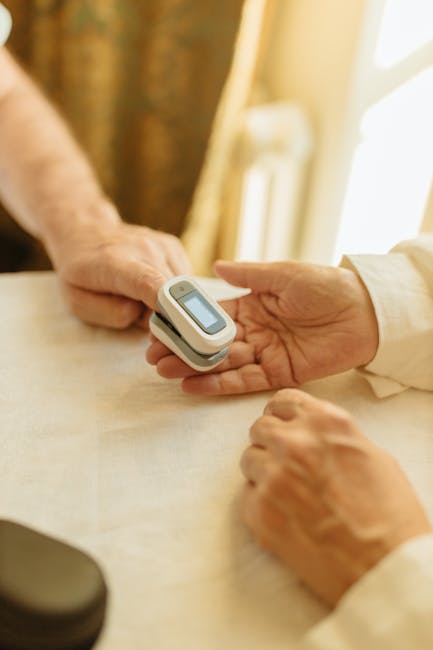
Combining Oxygen Therapy with Mobility Equipment: A Practical Guide
How to use portable oxygen concentrators and cylinders alongside wheelchairs, scooters, and walkers, including mounting ...

Fibromyalgia and Mobility Aids: When and How to Use Them
How mobility aids like rollators, canes, and scooters can help people with fibromyalgia manage pain, conserve energy, an...

Muscular Dystrophy Equipment Guide: Mobility Aids Through Disease Progression
Complete guide to mobility equipment for people with muscular dystrophy, including manual and power wheelchairs, stander...

Cerebral Palsy in Adults: Mobility Equipment and Aging Considerations
How mobility needs change for adults with cerebral palsy, including wheelchair fit, post-impairment syndrome, and equipm...
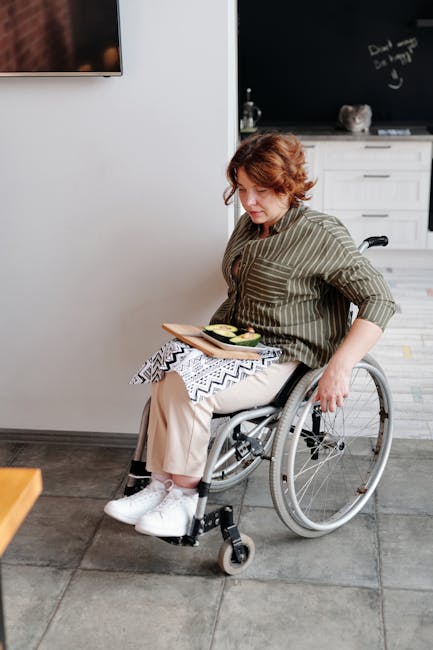
ALS Mobility Equipment Progression: Equipment Needs at Each Stage
How mobility equipment needs evolve through stages of ALS, from walking canes and rollators to power wheelchairs with ti...
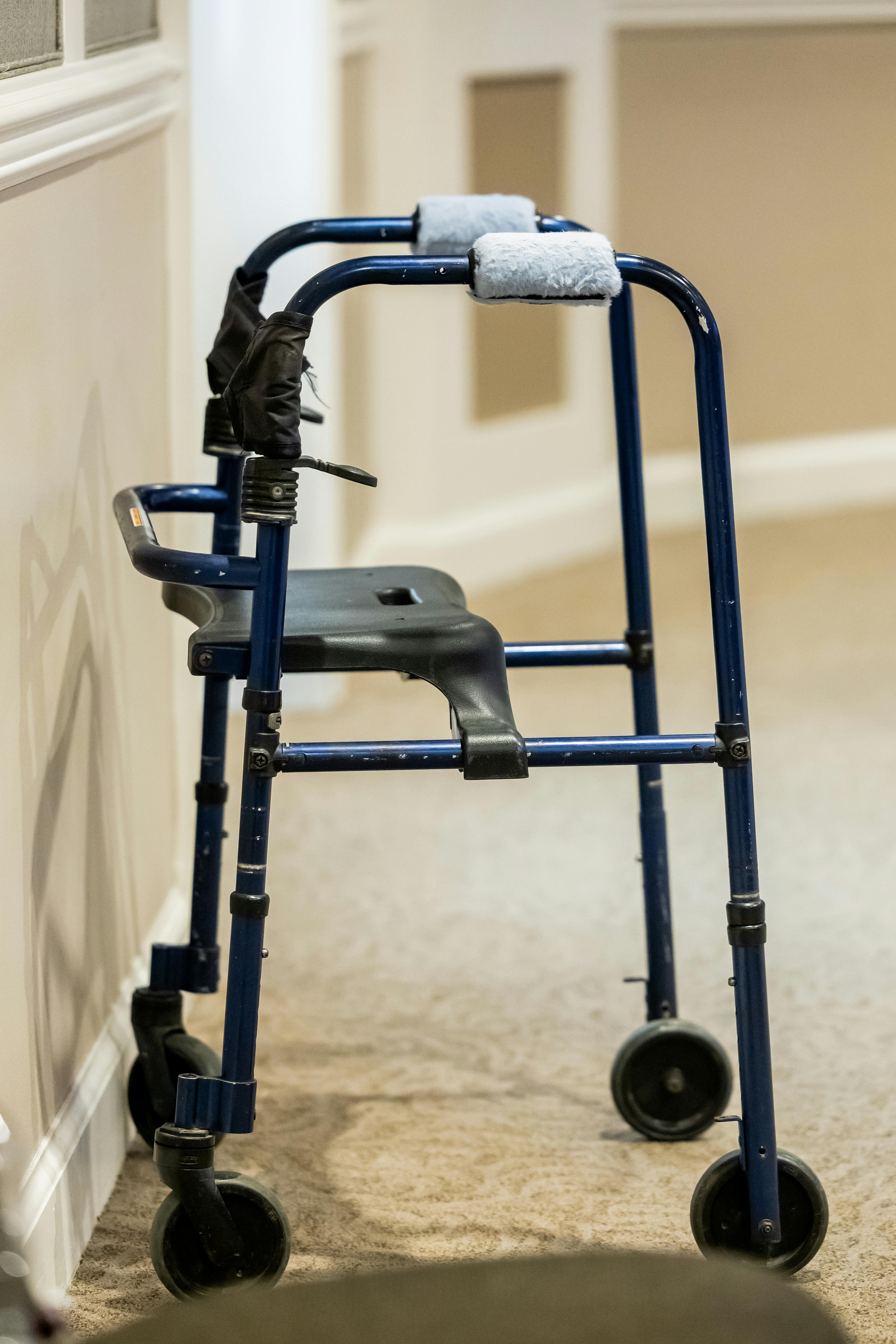
Best Mobility Aids After Hip Replacement Surgery
A recovery timeline guide to the best mobility aids after hip replacement surgery. Covers walkers, canes, raised toilet ...

Mobility Aids for Multiple Sclerosis: A Practical Guide
Practical guide to mobility aids for multiple sclerosis. Covers AFOs, canes, rollators, wheelchairs, cooling vests, FES ...

Mobility Aids After Knee Replacement: Recovery Equipment Timeline
Week-by-week guide to mobility aids after knee replacement surgery. Covers walkers, canes, shower chairs, CPM machines, ...
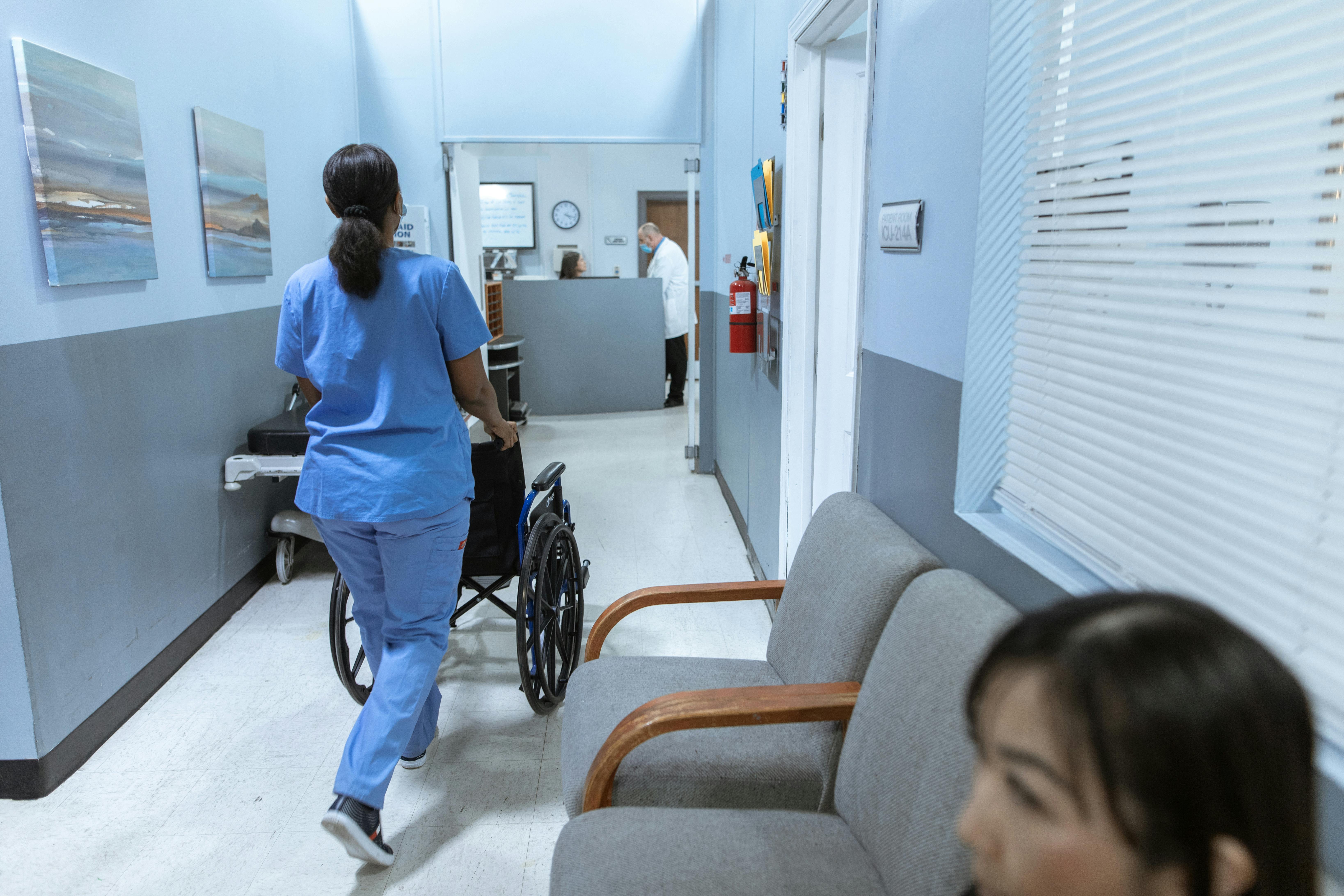
Bariatric Mobility Equipment: Heavy-Duty Options for 300-700 lb Capacity
Guide to bariatric mobility equipment rated 300 to 700 pounds. Covers heavy-duty scooters, power wheelchairs, rollators,...
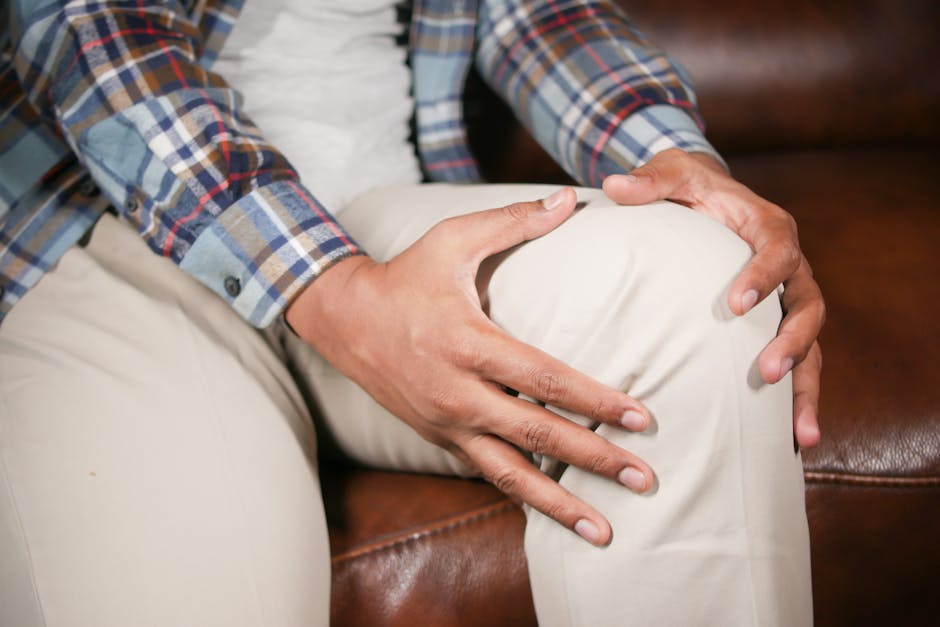
Arthritis and Mobility Equipment: How Joint Pain Shapes Your Equipment Choices
How different types of arthritis affect mobility and equipment selection. Covers grip modifications, joint protection pr...

Parkinson's Disease and Mobility: Managing Balance, Freezing, and Equipment Needs
How Parkinson's-specific symptoms like freezing of gait, rigidity, and balance problems affect mobility equipment choice...
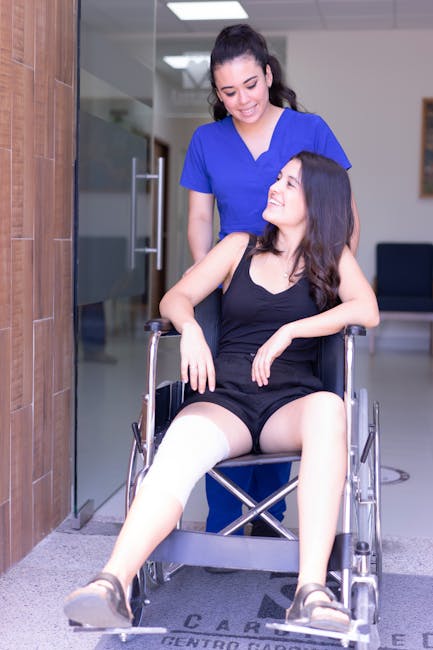
Living with MS: How Mobility Equipment Needs Change Over Time
Guide to understanding how multiple sclerosis progression affects mobility equipment needs, from canes and walking aids ...

Spinal Cord Injury and Wheelchair Selection: Matching Equipment to Injury Level
How spinal cord injury level affects wheelchair needs, from manual ultralight chairs for paraplegic users to power chair...

Knee Replacement Recovery: Weight-Bearing Progression and Equipment Guide
Understanding weight-bearing restrictions after knee replacement, how they affect equipment needs, physical therapy prog...
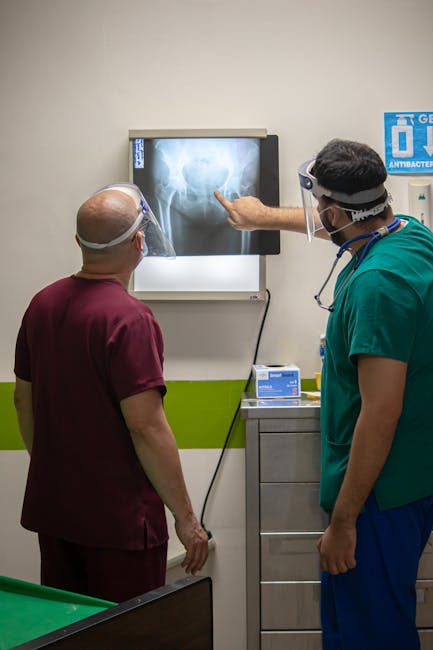
Hip Replacement Recovery: Equipment Timeline from Surgery to Full Mobility
Week-by-week guide to mobility equipment needs after hip replacement surgery covering walker use, cane transition, bathr...

Stroke Recovery Equipment Timeline: What You Need at Each Stage
A phase-by-phase guide to mobility equipment during stroke recovery covering acute care, inpatient rehab, home transitio...

Mobility Equipment for Spinal Cord Injuries: A Complete Guide
A comprehensive guide to mobility aids for people with spinal cord injuries. Covers manual and power wheelchairs, standi...

Mobility Aids After a Stroke: Equipment for Every Recovery Stage
A comprehensive guide to mobility equipment during stroke recovery. Covers the progression from hospital to home, walker...

Mobility Aids for Arthritis: Managing Joint Pain and Stiffness
A guide to mobility aids that help people with arthritis stay active. Covers canes, walkers, jar openers, adaptive tools...
Stay Independent, Stay Informed
Get our weekly guide to mobility solutions, funding tips, and home safety resources delivered to your inbox.
Thank you! Check your inbox to confirm your subscription.
Something went wrong. Please try again.
Join 1,000+ caregivers and families. Unsubscribe anytime.