Home Accessibility & Safety Modifications
Room-by-room guides to making your home safe and accessible. Stairlifts, ramps, grab bars, bathroom safety, and aging-in-place modifications reviewed and explained.
Making Your Home Safe and Accessible
Most people want to stay in their own homes as they age, but the home that worked perfectly at 40 may present real hazards at 70 or 80. Falls are the leading cause of injury-related death among adults over 65, and the majority of falls happen at home. The good news is that many of the most dangerous hazards can be addressed with practical, affordable modifications that make a home safer without making it feel like a medical facility.
Our home accessibility guides walk you through modifications room by room, from simple grab bar installations to complete bathroom renovations. We cover costs, DIY options, professional installation needs, and which modifications insurance or grants may help pay for.
Room-by-Room Modifications
Bathroom Safety
The bathroom is the most dangerous room in the house for falls. Wet surfaces, hard edges, and the physical demands of bathing and toileting create a perfect storm of risk factors. Priority modifications include grab bars near the toilet and in the shower or tub, a shower chair or transfer bench, a raised toilet seat, non-slip mats or adhesive strips, a handheld shower head, and adequate lighting. These changes can be made for a few hundred dollars and dramatically reduce fall risk.
Kitchen Accessibility
Kitchen modifications focus on keeping frequently used items within easy reach and reducing the need to bend, stretch, or climb. Pull-out shelves in lower cabinets, lever-style faucet handles, a raised dishwasher, and an induction cooktop (which stays cool to the touch) are common upgrades. For wheelchair users, lowered countertops, knee space under the sink, and side-opening ovens make meal preparation possible without assistance.
Bedroom and Living Areas
Bedroom safety starts with a bed at the right height for easy transfers and clear pathways that accommodate a walker or wheelchair. Bed rails, adjustable beds, bedside commodes, and motion-activated nightlights address common nighttime safety concerns. In living areas, removing throw rugs, securing electrical cords, improving lighting, and arranging furniture to create clear walkways are simple changes that reduce trip and fall hazards.
Entrances and Hallways
Getting in and out of the home safely is essential. Ramps (permanent or portable) eliminate step hazards for wheelchair and walker users. Widening doorways to at least 36 inches accommodates wheelchairs and rollators. Lever-style door handles replace hard-to-grip knobs. Motion-activated exterior lighting improves safety at night. Hallway handrails provide support in longer corridors.
Stairlifts and Vertical Lifts
Stairlifts are motorized chairs that travel along a rail mounted to your staircase, carrying a seated user between floors. They are one of the most effective solutions for people who want to remain in a multi-story home but can no longer safely climb stairs. Straight stairlifts are relatively affordable (typically $2,000 to $5,000 installed), while curved stairlifts for L-shaped or spiral staircases cost significantly more ($8,000 to $15,000) due to custom rail fabrication. For an in-depth look at stairlifts, visit our partner site StairliftResource.com.
Common Modifications and Cost Ranges
Home accessibility modifications range from under $50 for basic grab bars and non-slip strips to $20,000 or more for complete bathroom renovations or home elevators. Here are typical cost ranges for the most common projects: grab bars ($20 to $100 each, plus installation), ramps ($100 to $3,000 depending on length and material), walk-in showers ($2,500 to $8,000), stairlifts ($2,000 to $15,000), door widening ($200 to $1,000 per door), and raised toilet seats ($25 to $100).
Who Pays for Home Modifications?
Funding for home modifications comes from several sources. Medicaid Home and Community-Based Services (HCBS) waivers may cover modifications in some states. Veterans can access Specially Adapted Housing (SAH) grants or Home Improvements and Structural Alterations (HISA) grants through the VA. State assistive technology programs, Area Agencies on Aging, and nonprofit organizations like Rebuilding Together offer additional support. Medicare generally does not cover home modifications, though some Medicare Advantage plans include limited benefits. Our Funding and Insurance guide covers all available options in detail.
Explore our room-by-room guides, product reviews, and cost breakdowns below to start making your home safer and more accessible.
Featured Guides
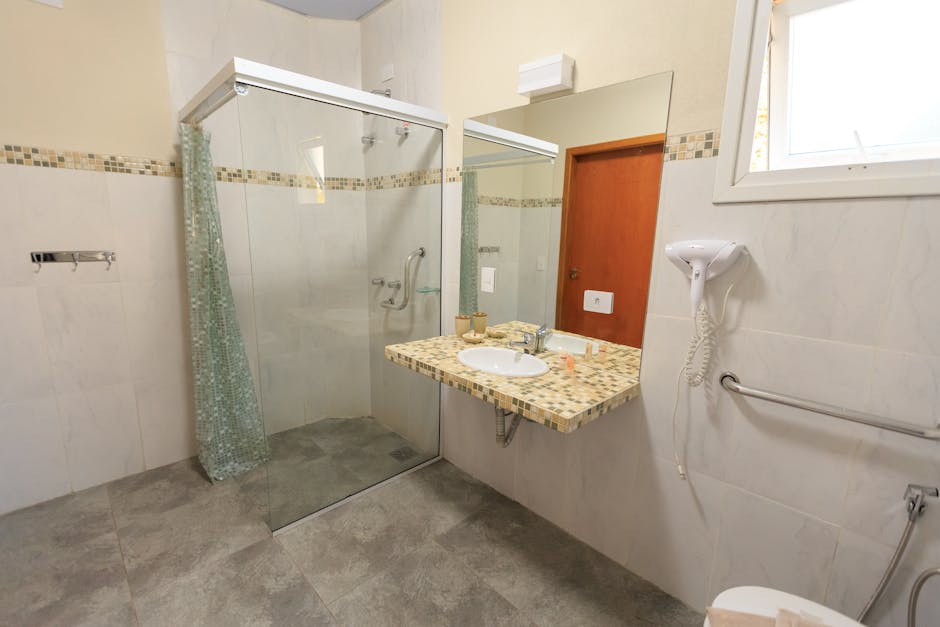
Bathroom Safety Comprehensive Guide: Beyond Grab Bars
Complete bathroom safety guide including non-slip surfaces, raised toilets, shower seating, walk-in tubs, lighting, and ...

Post-Stroke Home Modifications: Priority Changes for Safe Recovery
Essential home modifications for stroke survivors returning home, including bathroom safety, bedroom setup, one-handed a...

Best Grab Bars for Elderly: Bathroom Safety Essentials
We reviewed the 7 best grab bars for elderly bathroom safety. Covers wall-mounted, suction cup, tension pole, and fold-d...

Fall Detection Technology Guide: Wearables, Sensors, and Home Systems
How automatic fall detection works, including accelerometer wearables, ambient room sensors, and smart home integration....
All Home Accessibility & Safety Modifications Articles
Bathroom Safety Comprehensive Guide: Beyond Grab Bars
Complete bathroom safety guide including non-slip surfaces, raised toilets, shower seating, walk-in tubs, lighting, and ...
Post-Stroke Home Modifications: Priority Changes for Safe Recovery
Essential home modifications for stroke survivors returning home, including bathroom safety, bedroom setup, one-handed a...
Best Grab Bars for Elderly: Bathroom Safety Essentials
We reviewed the 7 best grab bars for elderly bathroom safety. Covers wall-mounted, suction cup, tension pole, and fold-d...
Fall Detection Technology Guide: Wearables, Sensors, and Home Systems
How automatic fall detection works, including accelerometer wearables, ambient room sensors, and smart home integration....

Medical Alert Systems for Mobility-Limited Users: Complete Buying Guide
How to choose a medical alert system that works with a mobility device, including in-home vs. mobile, GPS tracking, fall...
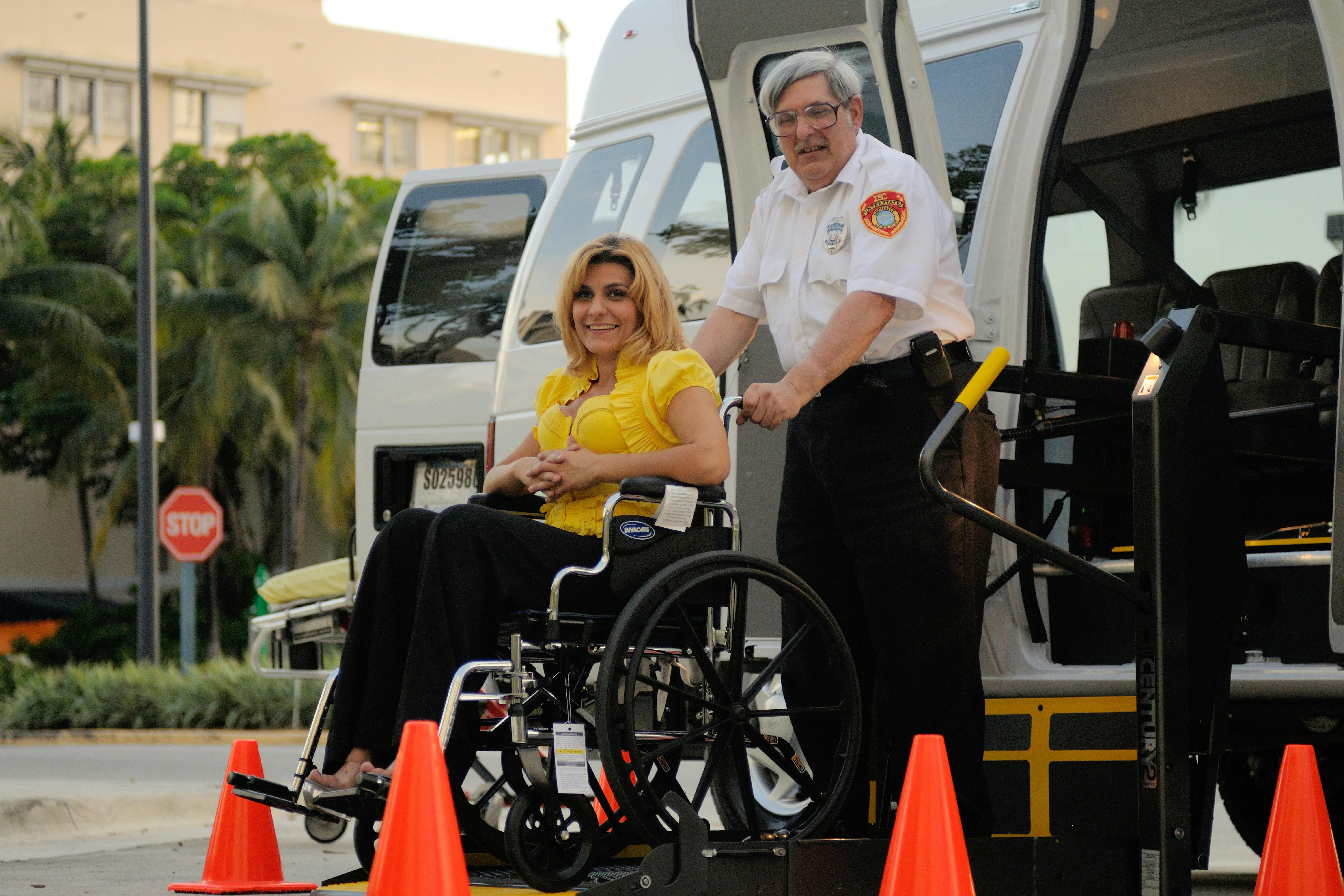
Wheelchair Ramp Slope Requirements: ADA Guide + Calculator
ADA wheelchair ramp slope requirements explained in plain language. Includes slope calculator, materials comparison, cos...

Vehicle Hand Controls: Types, Costs, and Installation Guide
Complete guide to hand controls for drivers with mobility limitations, including push/pull, push/twist, and push/rock sy...
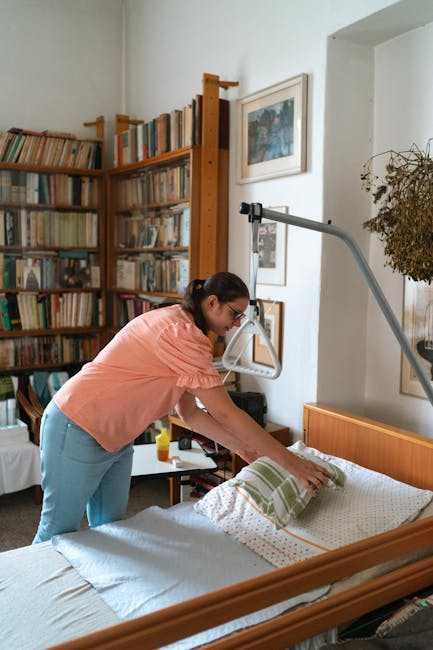
Hospital Beds for Home Use: Features, Sizing, and Insurance Coverage
Everything you need to know about renting or purchasing a hospital bed for home use, including semi-electric vs. full-el...

Lift Chair Buying Guide: Types, Features, and Coverage Options
Complete guide to choosing a lift chair, including 2-position vs. infinite-position models, fabric and size consideratio...

Best Walk-In Tubs for Seniors: Safety Features, Costs & Reviews
Compare the best walk-in tubs for seniors. Covers soaker, whirlpool, and air jet models with safety features, installati...
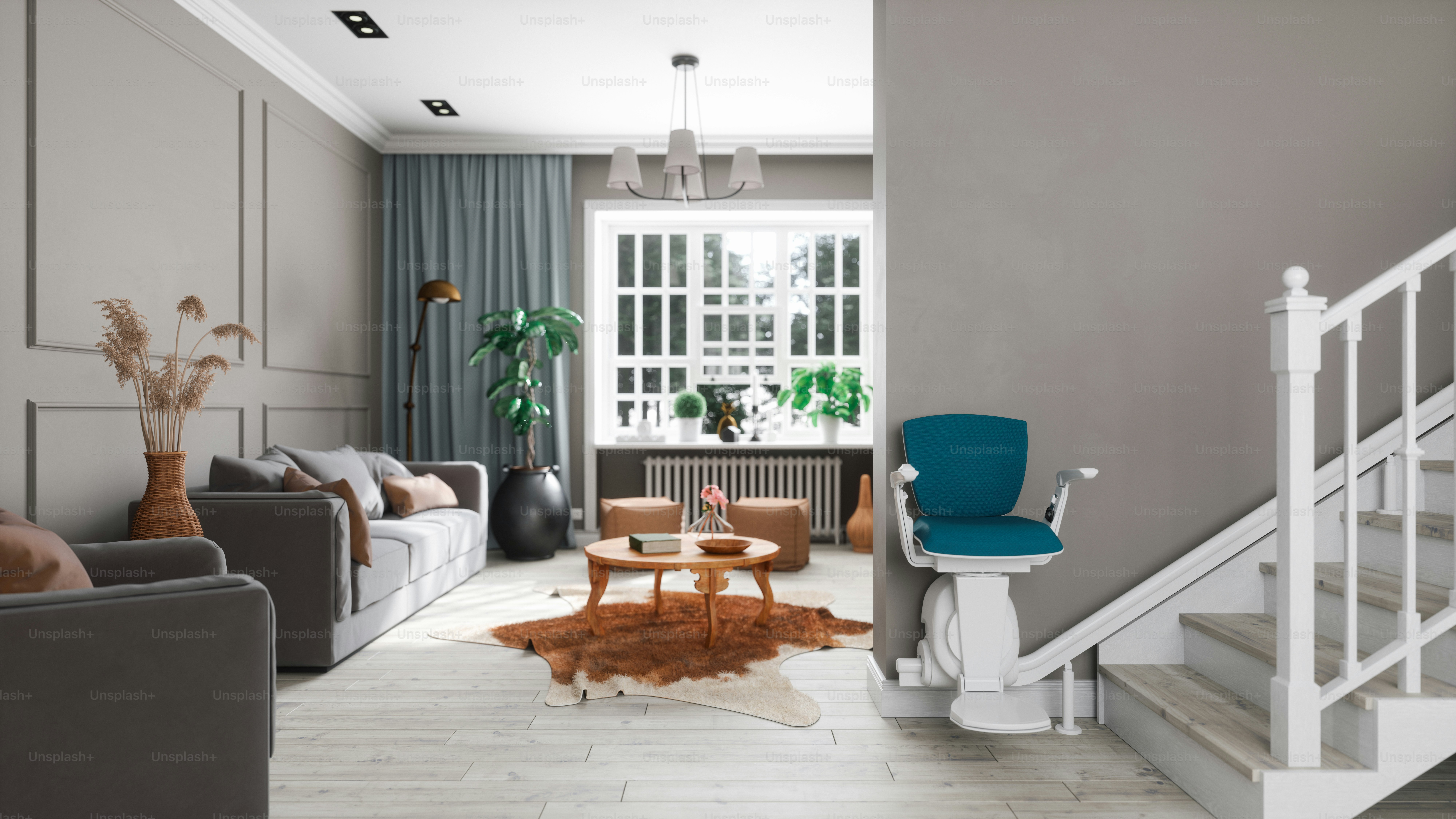
How Much Does a Stairlift Cost? Complete Price Guide (2026)
Stairlift costs explained for 2026. Covers straight, curved, and outdoor stairlifts, installation costs, brand compariso...

Aging in Place Technology: Smart Home Solutions for Safety and Independence
Overview of technology solutions that support aging in place including medical alert systems, smart home automation, voi...
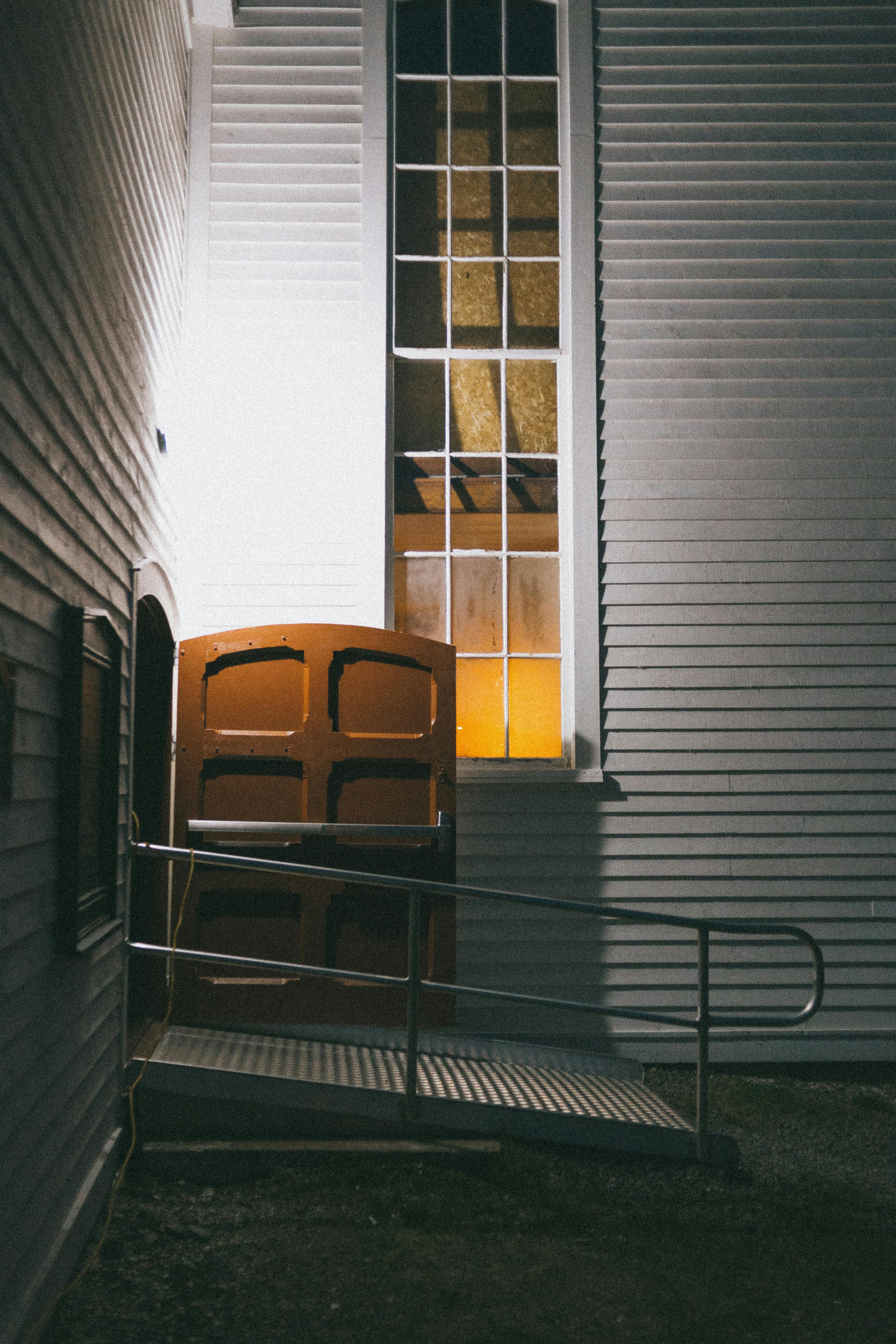
Home Accessibility Checklist: Room-by-Room Safety Guide
A comprehensive room-by-room home accessibility checklist for seniors. Covers grab bars, ramps, lighting, bathroom safet...
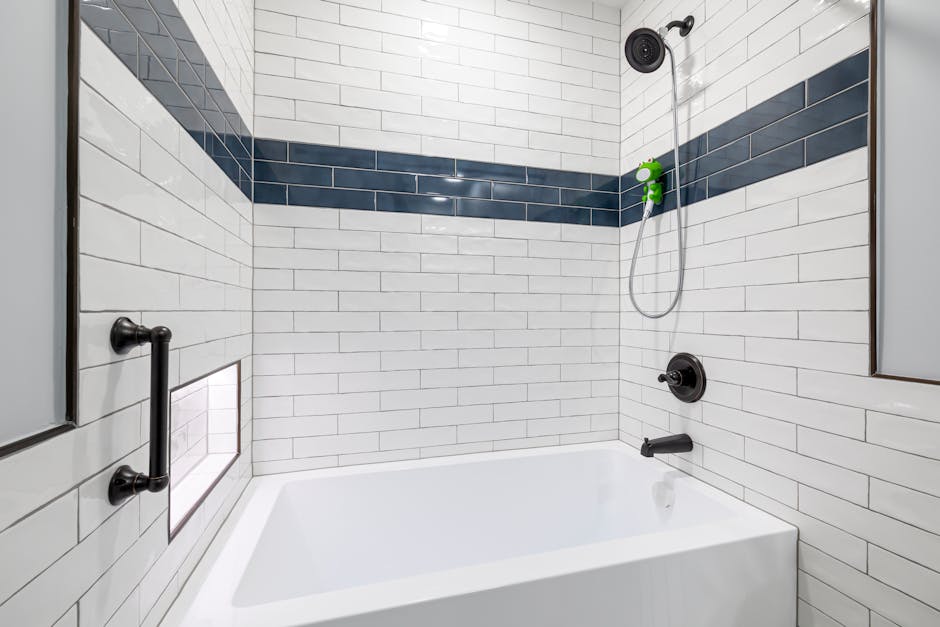
Grab Bars for Small Bathrooms: Space-Saving Solutions and Creative Placement
Solutions for installing grab bars in tight bathrooms including angled bars, folding options, corner-mounted designs, su...
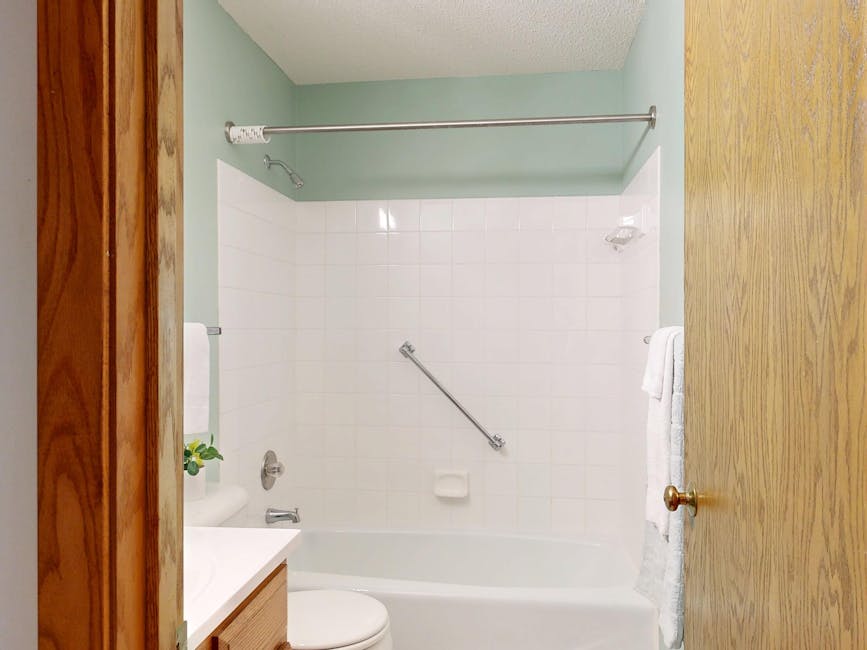
Shower Chairs vs Transfer Benches: Which Do You Need?
Compare shower chairs and transfer benches for bathroom safety. Covers when to use each, weight capacities, features to ...
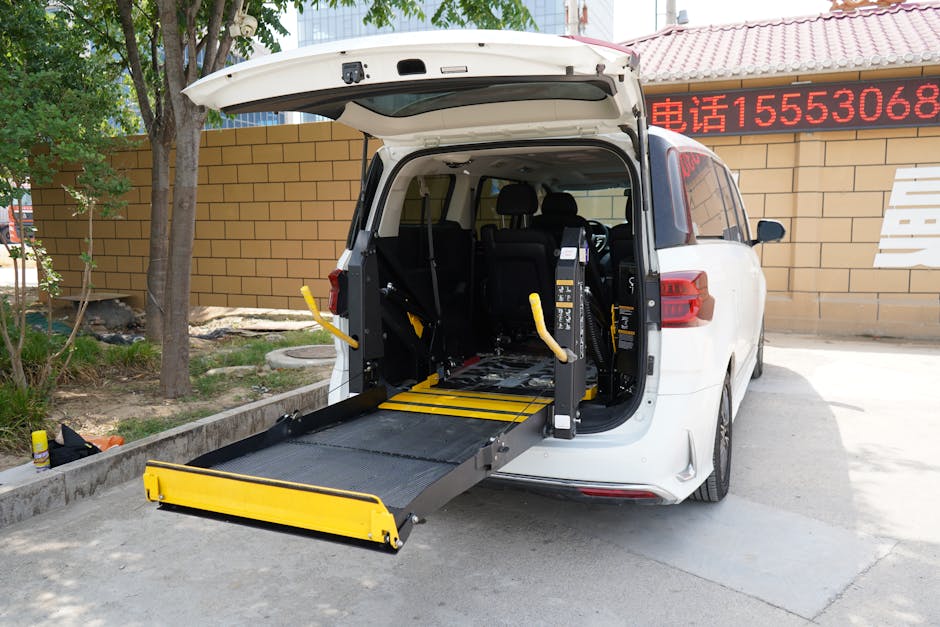
Threshold Ramps: Removing Doorway Barriers at Home
A practical guide to threshold ramps for wheelchairs and walkers. Covers types, materials, sizing, ADA guidelines, insta...
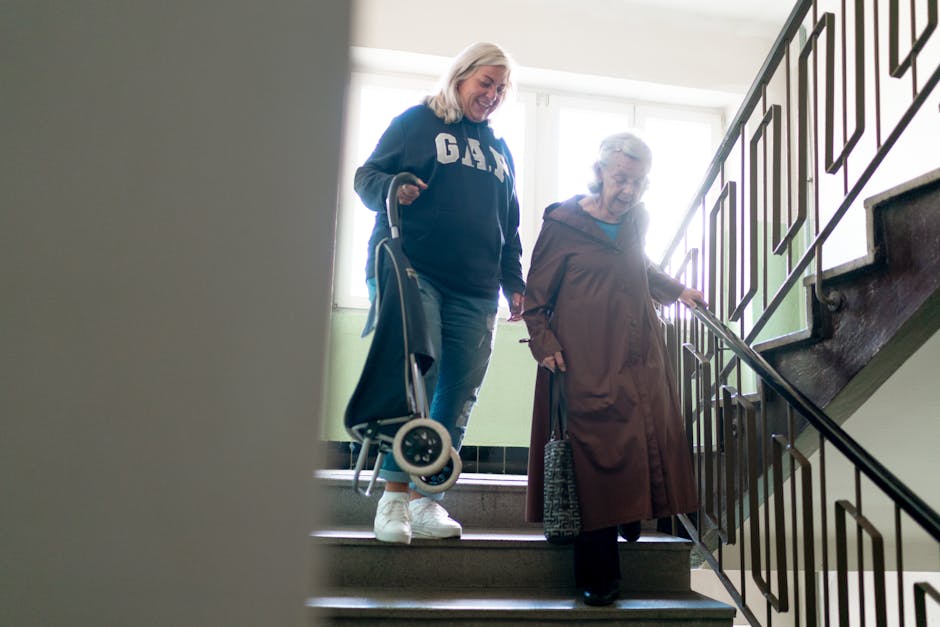
Stairlift Installation: What to Expect and How to Prepare
Everything you need to know about installing a stairlift in your home. Covers the installation process, timeline, electr...
Stay Independent, Stay Informed
Get our weekly guide to mobility solutions, funding tips, and home safety resources delivered to your inbox.
Thank you! Check your inbox to confirm your subscription.
Something went wrong. Please try again.
Join 1,000+ caregivers and families. Unsubscribe anytime.