Walking Aids: Rollators, Walkers, Canes & More
Comprehensive guides to choosing the right walking aid for your needs. Expert reviews, comparisons, and buying advice for rollators, walkers, canes, and knee walkers.
Finding the Right Walking Aid
Walking aids are among the most common mobility devices used by older adults, people recovering from surgery, and anyone who needs a little extra stability on their feet. The right walking aid can mean the difference between staying active and independent or feeling confined to a chair. But with so many options available, choosing the right one can feel overwhelming.
At MobilityLane, we test, research, and compare walking aids so you can make an informed decision. Whether you are shopping for yourself or helping a loved one, our guides break down the features, pros, cons, and real-world performance of every major type of walking aid on the market.
Types of Walking Aids
Standard Walkers (No Wheels)
Standard walkers provide maximum stability for users who need significant weight-bearing support. They require the user to lift the walker with each step, making them best suited for indoor use on flat surfaces. If balance is your primary concern and you move at a slower pace, a standard walker offers the most stable base of support available.
Two-Wheel Walkers
Two-wheel walkers (also called front-wheeled walkers) add small wheels to the front legs while keeping rubber tips on the rear legs. This design lets you push the walker forward without lifting it completely, creating a smoother walking rhythm. They work well for people who need solid support but want a more natural gait than a standard walker provides.
Four-Wheel Rollators
Rollators are the most popular walking aid category, and for good reason. With four wheels, hand brakes, a built-in seat, and a storage basket, rollators offer mobility, rest stops, and carrying capacity in one device. They come in standard, lightweight, and heavy-duty versions. Most rollators fold for car transport, though folding mechanisms vary significantly between models.
Three-Wheel Rollators
Three-wheel rollators trade the wide stability of four-wheel models for a tighter turning radius and lighter weight. They are ideal for navigating narrow hallways, crowded stores, and tight indoor spaces. Most three-wheel models do not include a seat, so they work best for users who do not need frequent rest breaks.
Knee Walkers (Knee Scooters)
Knee walkers are specialized devices designed for people recovering from foot, ankle, or lower leg injuries or surgery. Instead of bearing weight on the injured leg, users rest their knee on a padded platform and push with the other foot. They are significantly faster and more comfortable than crutches for most users, though they do require some balance ability.
Canes and Walking Sticks
Canes provide the lightest level of walking support. Single-point canes work well for mild balance issues, while quad canes (with four small feet at the base) offer more stability for users who need extra support. Offset-handle canes reduce wrist strain, and folding canes travel easily. A properly fitted cane should allow a slight bend at the elbow when you hold it at your side.
How to Choose the Right Walking Aid
Selecting a walking aid depends on several factors that are unique to each person. Start by considering your primary need: Do you need maximum stability, or just a little help with balance? Will you use the device primarily indoors, outdoors, or both? Do you need a seat for rest breaks? How important is portability for car travel or storage?
Weight capacity is another critical factor. Most standard rollators support 250 to 300 pounds, but heavy-duty models can handle 400 pounds or more. Always choose a device rated for at least your body weight, and consider a model with some extra capacity for added durability and peace of mind.
Wheel size matters for outdoor use. Larger wheels (8 inches and above) handle sidewalk cracks, gravel, and uneven terrain much better than small 6-inch wheels. If you plan to use your walking aid outdoors regularly, prioritize larger front wheels.
When to Upgrade Your Walking Aid
Your mobility needs can change over time, and the walking aid that worked well a year ago may no longer be the best fit. Signs that it is time to reassess include: feeling less stable than before, avoiding outings because your current device is too difficult to transport, experiencing hand or wrist pain from your current grip style, or finding that you need rest breaks more frequently than your device allows.
Talk to your doctor or physical therapist if you are unsure whether your current walking aid still meets your needs. Many insurance plans, including Medicare Part B, cover walking aids when prescribed by a physician, which can significantly reduce your out-of-pocket costs.
Browse our detailed reviews and comparison guides below to find the walking aid that fits your life. Every guide includes real-world testing notes, specification breakdowns, and honest assessments of who each product works best for.
Featured Guides
When a Walker Is No Longer Safe: Signs to Watch For
How to tell when a walker has stopped being safe, what to do about repeated falls, and how to document the change so a w...

Best Walking Canes for Balance Problems: Expert Picks
We reviewed the 7 best walking canes for balance problems. Compare single-point, offset, quad, folding, and seat canes w...

Knee Walker Guide: Recovering After Foot and Ankle Surgery
Everything you need to know about using a knee walker (knee scooter) after foot, ankle, or lower leg surgery. Covers whe...

Rollator vs Walker: Which Mobility Aid Is Right for You?
Compare rollators and walkers side by side. Learn the key differences in wheels, brakes, seats, and stability to find th...
All Walking Aids: Rollators, Walkers, Canes & More Articles
When a Walker Is No Longer Safe: Signs to Watch For
How to tell when a walker has stopped being safe, what to do about repeated falls, and how to document the change so a w...
Best Walking Canes for Balance Problems: Expert Picks
We reviewed the 7 best walking canes for balance problems. Compare single-point, offset, quad, folding, and seat canes w...
Knee Walker Guide: Recovering After Foot and Ankle Surgery
Everything you need to know about using a knee walker (knee scooter) after foot, ankle, or lower leg surgery. Covers whe...
Rollator vs Walker: Which Mobility Aid Is Right for You?
Compare rollators and walkers side by side. Learn the key differences in wheels, brakes, seats, and stability to find th...

Best Lightweight Rollators for Seniors: Top 7 Reviewed
We reviewed the 7 best lightweight rollators for seniors in 2026. Compare weights, features, prices, and find the right ...
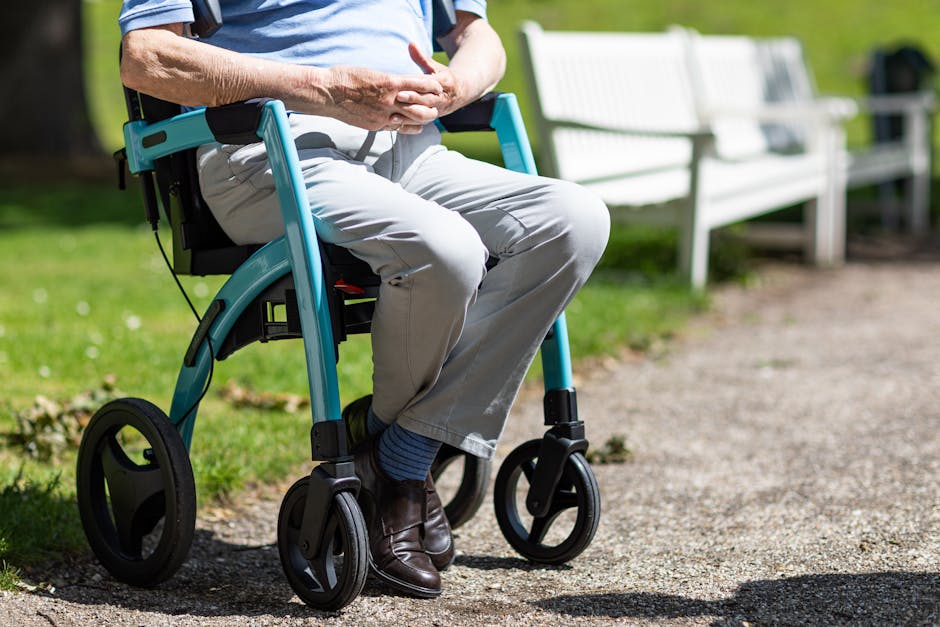
Essential Walking Aid Accessories: Bags, Trays, Lights, and More
A guide to practical accessories for walkers, rollators, and canes. Covers cup holders, bags, trays, lights, glides, and...

How to Use a Cane Properly: Technique, Safety, and Common Mistakes
Master proper cane technique for walking, stairs, sitting, and standing. Covers which hand to hold the cane in, correct ...
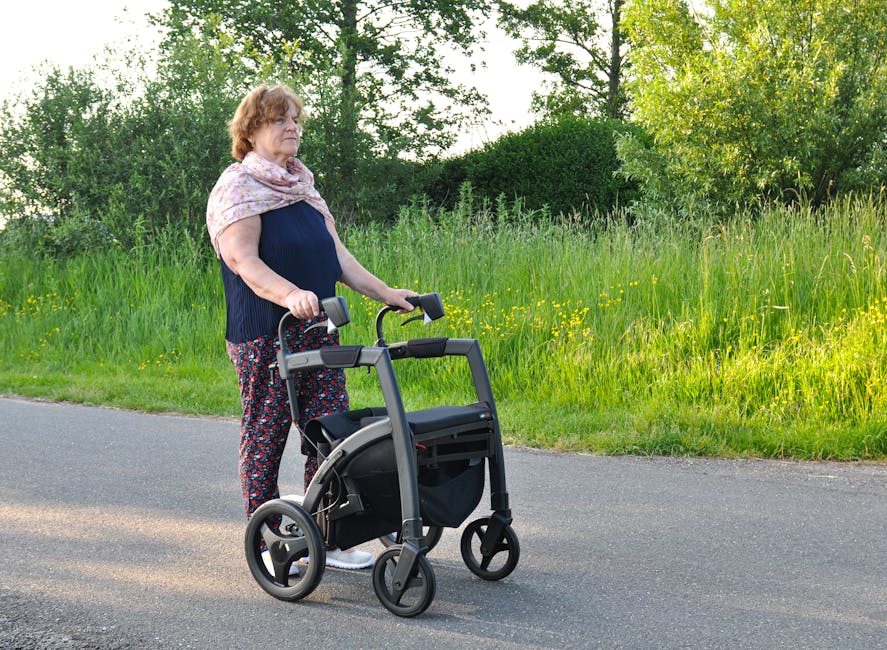
How to Size and Fit a Walker: Step-by-Step Guide
Learn how to properly size a standard walker for comfort and safety. Covers height adjustment, handle positioning, arm a...
Stay Independent, Stay Informed
Get our weekly guide to mobility solutions, funding tips, and home safety resources delivered to your inbox.
Thank you! Check your inbox to confirm your subscription.
Something went wrong. Please try again.
Join 1,000+ caregivers and families. Unsubscribe anytime.