
Table of Contents
Key Takeaways
- The Medline Ultralight (11.8 lbs) is our top pick for best overall lightweight rollator
- Lightweight rollators range from 11 to 16.5 lbs compared to 18-24 lbs for standard models
- 6-inch wheels work best indoors; 8-inch for mixed use; 10-inch for outdoor terrain
- Side-fold rollators create the most compact package for car trunks and travel
- All rollators on this list are Medicare-eligible with a doctor’s prescription
Why Weight Matters in a Rollator
Every pound counts when you are lifting a rollator into a car trunk, carrying it up a porch step, or maneuvering it through a crowded store. Standard rollators weigh 18 to 24 pounds, which is manageable for some people but genuinely difficult for others, especially those who are already dealing with reduced strength or joint pain.
Lightweight rollators (under 16 pounds) and ultra-lightweight models (under 12 pounds) use aluminum, carbon fiber, or engineered alloy frames to cut weight without sacrificing structural integrity. The result is a device that is easier to transport, more responsive to push, and less fatiguing to use throughout the day.
We spent over 80 hours researching, comparing specifications, analyzing user feedback, and consulting with physical therapists to identify the 7 best lightweight rollators available in 2026. Here are our top picks.
Quick Comparison
| Rollator | Weight | Weight Capacity | Seat | Wheel Size | Price Range |
|---|---|---|---|---|---|
| Medline Ultralight | 11.8 lbs | 250 lbs | Yes | 6-inch | $130-$160 |
| Drive Nitro Euro Style | 16.5 lbs | 300 lbs | Yes | 10-inch | $130-$170 |
| Hugo Explore Side-Fold | 16.2 lbs | 300 lbs | Yes | 8-inch | $100-$140 |
| NOVA Zoom 22 | 14.5 lbs | 250 lbs | Yes | 8-inch | $90-$130 |
| Vive Compact Folding | 14.8 lbs | 250 lbs | Yes | 8-inch | $110-$150 |
| Carex Trio Rolling Walker | 11.0 lbs | 250 lbs | No | 6-inch | $60-$90 |
| Drive Fly-Lite | 12.5 lbs | 250 lbs | Yes | 6-inch | $80-$110 |
Our Top 7 Picks
1. Medline Ultralight Rollator - Best Overall
The Medline Ultralight is our top pick for its remarkable combination of low weight and solid construction. At just 11.8 pounds, it is one of the lightest four-wheel rollators available, yet it supports up to 250 pounds. The aluminum frame feels sturdy without being bulky, and the brake cables respond smoothly to light hand pressure.
The 6-inch wheels work well on smooth indoor surfaces and reasonable outdoor terrain like mall parking lots and even sidewalks. They struggle on rough outdoor surfaces, so this is primarily an indoor and light outdoor rollator. The seat is padded and comfortable for short rest breaks, though taller users (over 6 feet) may find it a bit low.
What we like:
- Among the lightest rollators available (11.8 pounds)
- Smooth, responsive brakes
- Easy one-hand fold mechanism
- Under-seat storage pouch included
What to consider:
- 250-pound weight capacity may be limiting for some users
- 6-inch wheels are not ideal for rough outdoor terrain
- Seat is low for taller individuals
Best for: People who prioritize portability and primarily use their rollator indoors with occasional outdoor excursions.
Price range: $130 to $160
2. Drive Medical Nitro Euro Style - Best for Outdoor Use
The Drive Nitro has earned its reputation as one of the most popular rollators on the market, and for good reason. The 10-inch front wheels and 7.5-inch rear casters handle outdoor terrain better than almost any other rollator in this weight range. Sidewalk cracks, doorway thresholds, and uneven parking lots are handled smoothly.
At 16.5 pounds, it is heavier than our top pick but still lighter than most standard rollators. The cross-fold design is straightforward, and the European-style aesthetic is noticeably more modern than traditional rollator designs. The seat height is well-suited for users between 5’4” and 6’0”.
What we like:
- Large 10-inch front wheels handle outdoor terrain excellently
- 300-pound weight capacity
- Comfortable, well-padded seat with backrest
- Cross-fold is compact for car trunks
What to consider:
- Heavier than ultra-light models at 16.5 pounds
- Cross-fold is wider than side-fold designs
- Storage basket is smaller than some competitors
Best for: Active users who walk outdoors regularly on sidewalks, in parks, and around neighborhoods.
Price range: $130 to $170
3. Hugo Explore Side-Fold Rollator - Best for Travel
The Hugo Explore’s standout feature is its side-fold mechanism. While most rollators cross-fold (the two sides collapse toward each other), the Hugo folds sideways into a remarkably slim profile. This makes it the easiest rollator to store in tight car trunks, closets, and alongside luggage.
The 8-inch wheels provide solid performance on both indoor and moderate outdoor surfaces. At 16.2 pounds, it is comparable to the Drive Nitro in weight but takes up significantly less space when folded. The seat is comfortable with a leatherette surface that is easy to wipe clean.
What we like:
- Side-fold creates the most compact folded shape we have tested
- 8-inch wheels balance indoor and outdoor performance
- 300-pound weight capacity
- Leatherette seat is easy to clean
What to consider:
- Side-fold mechanism takes practice to learn
- Back support is minimal compared to cross-fold models
- Slightly more expensive than similar-spec competitors
Best for: Frequent travelers and people who need to store the rollator in tight spaces.
Price range: $100 to $140
4. NOVA Zoom 22 Rollator - Best Value
The NOVA Zoom 22 delivers impressive value for its price point. At 14.5 pounds with 8-inch wheels, it competes with rollators costing twice as much. The folding mechanism is simple, the brakes are responsive, and the padded seat includes a back strap for support.
NOVA offers the Zoom in a wide range of colors and patterns, which may seem like a minor detail but matters to many users who want a mobility aid that reflects their personality rather than screaming “medical equipment.” The under-seat storage bag is roomy enough for a purse, water bottle, and a few grocery items.
What we like:
- Exceptional value for the feature set
- 8-inch wheels work well indoors and outdoors
- Wide color and pattern selection
- Generous under-seat storage
What to consider:
- 250-pound weight capacity limits larger users
- Seat padding is thinner than premium models
- Brake handles may need periodic adjustment
Best for: Budget-conscious shoppers who want solid performance without premium pricing.
Price range: $90 to $130
5. Vive Compact Folding Rollator - Best Seat Comfort
The Vive Compact Folding Rollator stands out for its seat design. Where many lightweight rollators sacrifice seat comfort to save weight, Vive uses a well-cushioned seat with a supportive backrest that makes extended rest breaks genuinely comfortable. If you tend to sit on your rollator seat for more than a few minutes at a time, this is a significant advantage.
At 14.8 pounds with 8-inch wheels, the Vive offers a good balance of portability and outdoor capability. The fold mechanism is a standard cross-fold that works smoothly. Build quality feels solid, and the brake cables are routed cleanly.
What we like:
- Best seat comfort in the lightweight category
- Solid backrest support
- 8-inch wheels for mixed indoor/outdoor use
- Clean, well-finished build quality
What to consider:
- 250-pound weight capacity
- Cross-fold is not as compact as side-fold models
- Slightly heavier than ultra-light options
Best for: Users who sit on their rollator seat frequently and prioritize comfort during rest breaks.
Price range: $110 to $150
6. Carex Trio Rolling Walker - Lightest Overall
At just 11 pounds, the Carex Trio is the lightest walker on our list. It is technically a three-wheel rollator (with one front wheel and two rear wheels), which gives it a tight turning radius and an incredibly light frame. If absolute minimum weight is your priority, this is the model to consider.
However, three wheels means no seat, which is a significant tradeoff for many users. The small 6-inch wheels are best suited for indoor use and smooth outdoor surfaces. The basket under the frame is small but adequate for a phone, keys, and a few essentials.
What we like:
- Lightest rollator available at 11 pounds
- Very tight turning radius for indoor maneuverability
- Simple, reliable construction
- Most affordable option on our list
What to consider:
- No seat for rest breaks
- Three-wheel design is less stable than four-wheel models
- Small 6-inch wheels struggle on rough surfaces
- 250-pound weight capacity
Best for: People who need the lightest possible device, primarily use it indoors, and do not need a seat.
Price range: $60 to $90
7. Drive Fly-Lite Rollator - Best Budget Lightweight
The Drive Fly-Lite is a strong option for shoppers who want a lightweight four-wheel rollator with a seat but do not want to spend more than $110. At 12.5 pounds, it is genuinely light, and the aluminum frame feels durable for its weight class.
The 6-inch wheels limit outdoor performance to smooth surfaces, and the seat is basic (a nylon strap rather than a padded cushion). But for primarily indoor use with occasional short outdoor trips, the Fly-Lite gets the job done at a price point that makes it accessible to most budgets.
What we like:
- Very lightweight at 12.5 pounds with a seat
- Affordable price point
- Simple, reliable folding mechanism
- Available in multiple colors
What to consider:
- Nylon seat strap is less comfortable than padded seats
- 6-inch wheels are best for indoor/smooth surfaces only
- Back support is minimal
- 250-pound weight capacity
Best for: Budget shoppers who want a lightweight rollator with a seat for primarily indoor use.
Price range: $80 to $110
How We Evaluate Rollators
Our review process involves multiple stages to ensure fair and useful comparisons:
- Specification analysis. We compare weight, weight capacity, wheel size, seat height, folded dimensions, and build materials across all models.
- User feedback review. We analyze hundreds of verified user reviews across multiple platforms to identify real-world strengths and weaknesses.
- Physical therapy input. We consult with physical therapists to understand which features matter most for safety and usability.
- Durability assessment. We evaluate frame construction, brake quality, and component materials to assess long-term reliability.
- Value calculation. We compare features to price to identify models that offer the best return on investment.
Buying Considerations
Weight vs. Stability
Lighter rollators are easier to transport, but extremely light frames can feel less stable for users who lean heavily on the device. If you weigh more than 200 pounds or use the rollator for significant balance support, prioritize stability (and a higher weight capacity) over absolute minimum weight. A rollator that feels wobbly undermines confidence and safety.
Folding Mechanisms
Cross-fold rollators fold by bringing the two sides together, like closing a book. This is the most common mechanism and is generally the easiest to learn. The folded shape is flat but wide.
Side-fold rollators fold sideways, creating a narrow profile. This is more compact for storage in tight spaces but can be less intuitive to learn. Side-fold models are generally better for car trunks and air travel.
Wheel Size
- 6-inch wheels: Best for smooth indoor surfaces and gentle outdoor terrain. Lighter weight, tighter turning.
- 8-inch wheels: Good all-around choice for mixed indoor and outdoor use. Handles sidewalk cracks and minor bumps.
- 10-inch wheels: Best for outdoor use. Handles rough surfaces, gravel, and uneven ground confidently.
Brake Types
Loop brakes (the most common) require you to squeeze the brake handles to slow down and lock them for parking. They require hand strength and coordination.
Push-down brakes engage when you press down on the brake handles, which can be easier for people with limited hand grip strength. These are less common but worth seeking out if hand strength is a concern.
FAQ
What is the lightest rollator available?
The lightest four-wheel rollators weigh approximately 11 to 12 pounds. Three-wheel models can be as light as 10 to 11 pounds. Ultra-light models typically use aluminum alloy frames and sacrifice some features (like padded seats or large wheels) to achieve minimum weight.
Are lightweight rollators less durable?
Not necessarily. Modern lightweight rollators use aerospace-grade aluminum and engineered alloys that are both lighter and stronger than the steel used in older, heavier models. The key is the weight capacity rating: choose a model rated well above your body weight for the best combination of lightness and durability.
Can I add accessories to a lightweight rollator?
Yes, most lightweight rollators accept standard accessories including cup holders, phone mounts, tray tables, and upgraded storage bags. However, accessories add weight, so consider what you truly need to avoid negating the weight advantage.
Does Medicare cover lightweight rollators?
Medicare Part B covers rollators as durable medical equipment when prescribed by your doctor. Medicare covers the basic model that meets your medical needs. If a lightweight model costs more than the standard Medicare-approved amount, you may need to pay the difference out of pocket. Ask your DME supplier which models are fully covered.
How do I know if a rollator is the right height for me?
Stand upright behind the rollator with your arms relaxed at your sides. The handle grips should be at wrist height. When you grip the handles, your elbows should bend at about a 15 to 20 degree angle. Most rollators have adjustable handle heights, so check the minimum and maximum height range before purchasing.
How often should I replace my rollator?
A quality lightweight rollator typically lasts 3 to 7 years with regular use. Replace your rollator when the frame shows signs of bending or cracking, the brakes no longer respond reliably, the wheels wobble excessively, or the seat support has deteriorated. Regular maintenance (tightening bolts, checking brake cables, replacing worn tips) extends the lifespan significantly.
The MobilityLane Team
Written by a caregiver with 18+ years of experience supporting family members with chronic illness and mobility challenges, and medical training in mobility recovery. We research and write about mobility solutions to help people maintain independence and quality of life.
Learn more about us →Stay Independent, Stay Informed
Get our weekly guide to mobility solutions, funding tips, and home safety resources delivered to your inbox.
Thank you! Check your inbox to confirm your subscription.
Something went wrong. Please try again.
Join 1,000+ caregivers and families. Unsubscribe anytime.
Related Guides
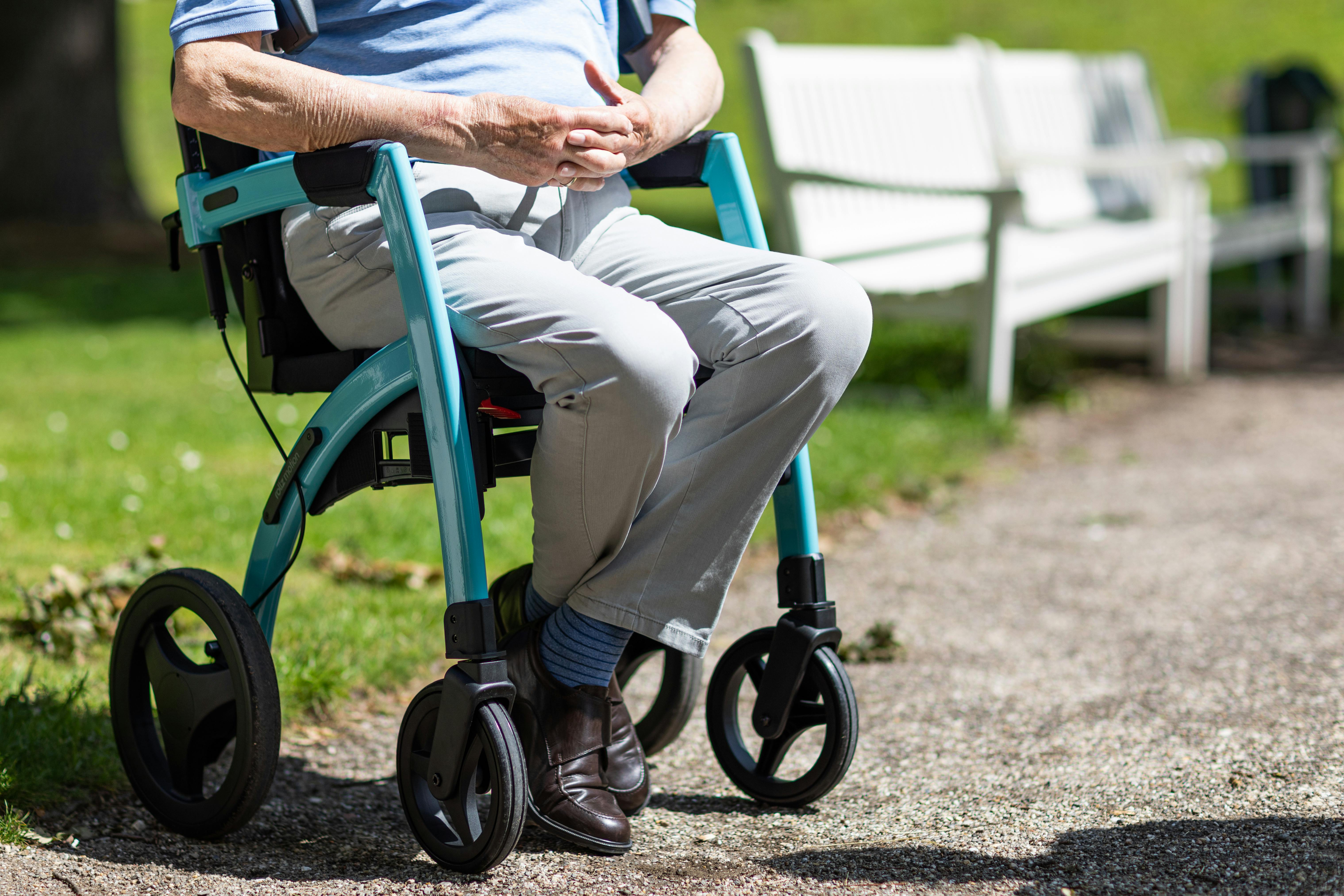
Rollator vs Walker: Which Mobility Aid Is Right for You?
Compare rollators and walkers side by side. Learn the key differences in wheels, brakes, seats, and stability to find th...

Best Walking Canes for Balance Problems: Expert Picks
We reviewed the 7 best walking canes for balance problems. Compare single-point, offset, quad, folding, and seat canes w...
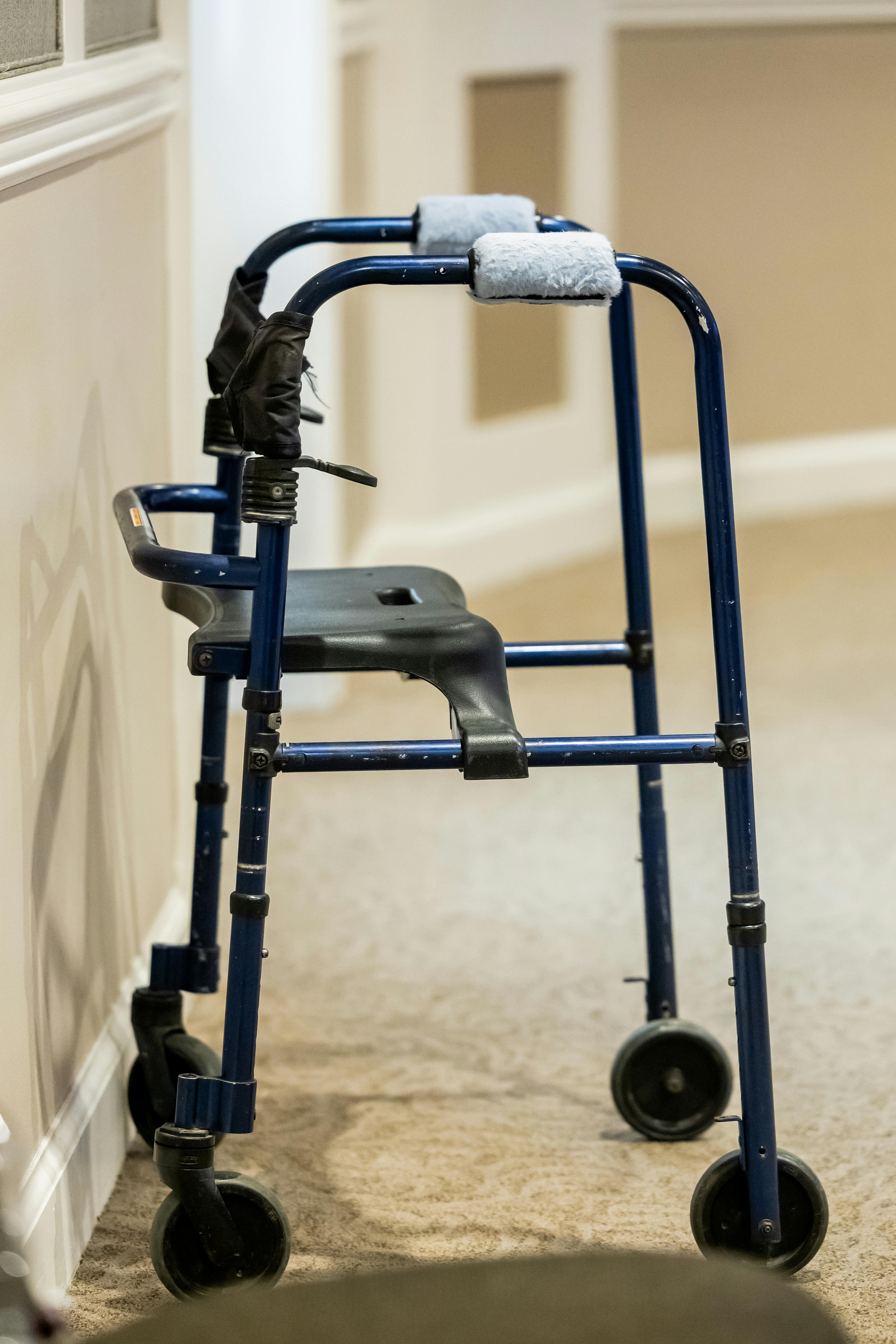
Best Mobility Aids After Hip Replacement Surgery
A recovery timeline guide to the best mobility aids after hip replacement surgery. Covers walkers, canes, raised toilet ...