Caregiver Resources & Support
Practical guides for caregivers helping loved ones with mobility challenges. Fall prevention, transfer techniques, equipment selection, and self-care resources.
Supporting Independence Together
If you are helping a parent, spouse, or loved one navigate mobility challenges, you already know it can be overwhelming. The decisions come fast: Which walker is safest? Should we get a wheelchair? Is the bathroom safe? Can they still live at home? And through it all, you are balancing your own life, work, and wellbeing with the demands of caregiving.
You are not alone. Over 53 million Americans serve as informal caregivers, and mobility-related care is one of the most common responsibilities. Our caregiver guides are written specifically for you, with practical advice that respects both your time and your loved one's dignity. No medical jargon, no guilt trips, just honest, actionable information.
The Caregiver's Role in Mobility Decisions
As a caregiver, you are often the bridge between your loved one, their healthcare team, and the equipment that supports their daily life. Your observations about how they move, where they struggle, and what activities matter most to them are essential inputs for choosing the right mobility aids. You also play a key role in making sure equipment is used correctly and consistently, because even the best walker does no good if it stays in the closet.
Involve your loved one in every decision. Mobility equipment that feels imposed on someone often gets resisted or abandoned. When possible, let them test options, express preferences about style and color, and make the final call. Your role is to facilitate and inform, not to dictate.
Equipment Selection Tips for Caregivers
When evaluating mobility equipment, consider factors beyond the spec sheet. How easily can your loved one operate the brakes? Can they fold and unfold the walker on their own? Is the seat comfortable for more than a few minutes? Will the device fit through the doorways in their home? Can you lift the scooter into the car?
Think about the future, not just the present. If your loved one's condition is progressive, choosing a device with room to grow can save money and disruption later. A rollator with a higher weight capacity or a wheelchair with adjustable features may serve them longer than a bare-minimum model.
Safe Transfer Techniques
Transfers (moving between surfaces like bed to wheelchair, wheelchair to toilet, or chair to car) are some of the highest-risk moments for both the caregiver and the person being helped. Using proper technique protects both of you from injury. Key principles include: always use a gait belt when assisting with transfers, keep your feet shoulder-width apart for a stable base, bend at the knees (not the waist), hold the person close to your body, and never twist while lifting.
If your loved one weighs more than you can safely support, invest in a transfer board, a sit-to-stand lift, or a patient lift. These devices are not signs of failure; they are tools that protect both of you from injury. Many are covered by Medicare or Medicaid when prescribed.
Fall Prevention Basics
Falls are the most common concern for caregivers, and for good reason. One in four adults over 65 falls each year, and falls can lead to fractures, head injuries, loss of confidence, and reduced independence. As a caregiver, you can reduce fall risk significantly through environmental modifications and behavior changes.
Start with a home safety walkthrough: remove throw rugs, secure electrical cords, install grab bars, improve lighting (especially in hallways and bathrooms), and clear walkways of clutter. Encourage your loved one to wear supportive, non-slip footwear instead of socks or loose slippers. Make sure their mobility aid is properly adjusted and that they use it consistently, even for short trips to the kitchen or bathroom.
Caregiver Self-Care and Burnout Prevention
Caregiver burnout is real, common, and nothing to be ashamed of. Signs include constant exhaustion, withdrawal from activities you used to enjoy, irritability, getting sick more often, and feeling like caregiving controls your entire life. Left unchecked, burnout harms both you and the person you are caring for.
Protecting yourself is not selfish. It is necessary. Set boundaries around your time and energy. Accept help when it is offered, and ask for it when it is not. Explore respite care options that give you regular breaks, whether through adult day programs, in-home respite services, or family and friend rotations. Talk to your own doctor about the physical and emotional demands you are managing. Join a caregiver support group (in person or online) to connect with people who genuinely understand what you are going through.
Finding Local Resources
Your local Area Agency on Aging (AAA) is the single best starting point for finding services in your community. They can connect you with home health aides, meal delivery, transportation services, equipment lending programs, caregiver support groups, and respite care options. Find your local AAA through the Eldercare Locator at eldercare.acl.gov or by calling 1-800-677-1116.
Browse our caregiver guides below for detailed, practical advice on every aspect of supporting mobility independence.
Featured Guides

Service Animals for Mobility Disabilities: Tasks, Training, and Legal Rights
What mobility service dogs can do, how they are trained, how to obtain one, and your legal rights under the ADA when usi...
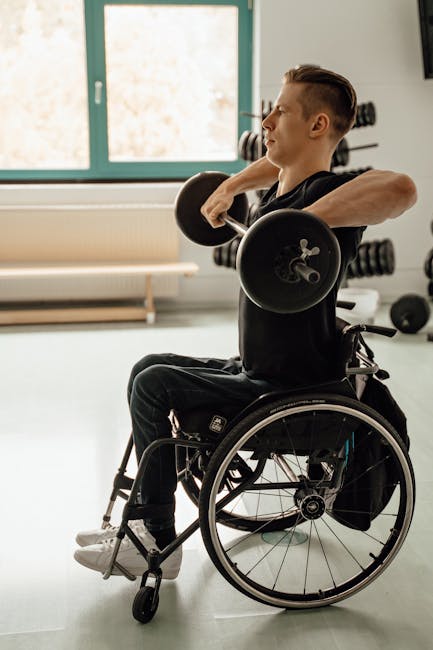
Accessible Exercise Programs for Wheelchair Users: Safe Workouts and Adaptive Sports
Safe and effective exercise routines for wheelchair users, including upper-body strength training, seated cardio, flexib...

Caregiver's Guide to Preventing Falls at Home
Evidence-based fall prevention strategies for caregivers. Covers risk factors, room-by-room hazard checks, exercises, me...

How to Safely Transfer an Elderly Person to and from a Wheelchair
Step-by-step guide to safe wheelchair transfers. Covers bed to wheelchair, wheelchair to car, toilet transfers, and when...
All Caregiver Resources & Support Articles
Service Animals for Mobility Disabilities: Tasks, Training, and Legal Rights
What mobility service dogs can do, how they are trained, how to obtain one, and your legal rights under the ADA when usi...
Accessible Exercise Programs for Wheelchair Users: Safe Workouts and Adaptive Sports
Safe and effective exercise routines for wheelchair users, including upper-body strength training, seated cardio, flexib...
Caregiver's Guide to Preventing Falls at Home
Evidence-based fall prevention strategies for caregivers. Covers risk factors, room-by-room hazard checks, exercises, me...
How to Safely Transfer an Elderly Person to and from a Wheelchair
Step-by-step guide to safe wheelchair transfers. Covers bed to wheelchair, wheelchair to car, toilet transfers, and when...
Cleaning, Maintaining, and Storing Mobility Equipment: A Complete Care Guide
Practical guide to keeping mobility equipment in top condition including daily cleaning routines, seasonal maintenance, ...
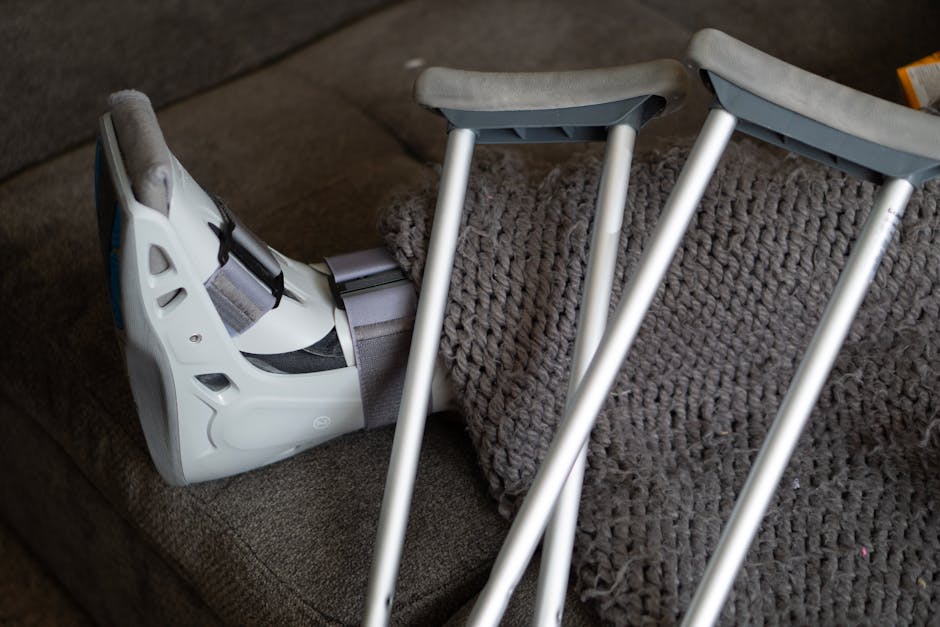
Temporary vs Permanent Mobility Equipment: Making the Right Investment Decision
Guide to evaluating whether you need short-term or long-term mobility equipment, covering recovery timelines, progressiv...
Renting vs Buying Mobility Equipment: Cost Analysis and Decision Guide
Comprehensive cost-benefit comparison of renting versus purchasing mobility equipment including total cost of ownership,...

Balancing Work and Caregiving: FMLA, Flexible Schedules, and Financial Planning
Guide to managing employment alongside caregiving responsibilities including FMLA rights, workplace accommodations, fina...

Caregiver Stress Management: Evidence-Based Strategies for Mental and Physical Health
Practical stress management techniques for caregivers including mindfulness, exercise, respite planning, therapy options...

How to Use a Gait Belt Safely: Positioning, Technique, and Common Mistakes
Step-by-step instructions for safe gait belt use during transfers including proper placement, grip techniques, body mech...

Transfer Techniques for People with Limited Mobility: A Caregiver's Complete Guide
Comprehensive guide to different transfer methods including stand-pivot, sliding board, mechanical lift, and two-person ...

Caregiver Burnout: Warning Signs, Prevention, and Recovery
Recognize the signs of caregiver burnout and learn practical strategies for prevention. Covers physical and emotional sy...

How to Conduct a Home Safety Assessment for Aging in Place
A room-by-room guide to evaluating home safety for seniors and people with mobility challenges. Covers fall hazards, lig...
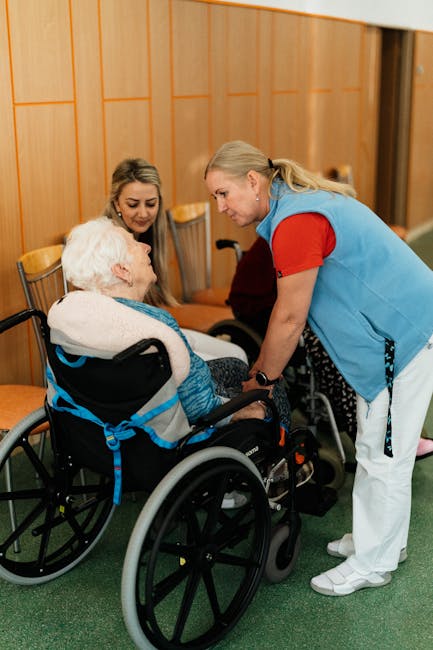
A Caregiver's Guide to Managing Mobility Equipment
Practical guide for caregivers on selecting, maintaining, and using mobility equipment. Covers walkers, wheelchairs, sco...
Stay Independent, Stay Informed
Get our weekly guide to mobility solutions, funding tips, and home safety resources delivered to your inbox.
Thank you! Check your inbox to confirm your subscription.
Something went wrong. Please try again.
Join 1,000+ caregivers and families. Unsubscribe anytime.