Table of Contents
Key Takeaways
- The distinction between temporary and permanent equipment needs is determined by your underlying condition: recovery from surgery or injury points to temporary, while progressive or chronic conditions typically require permanent solutions
- Renting mobility equipment for short-term needs (under 6 months) almost always costs less than buying, even when factoring in the lack of resale value
- Insurance coverage strategies differ significantly between temporary and permanent equipment, and choosing the wrong approach can leave you paying more out of pocket
- Many people begin with temporary equipment after an acute event and later transition to permanent equipment as their condition evolves, so planning for that possibility saves time and money
- Reassessing equipment needs every 6 to 12 months ensures your mobility aids match your current functional level rather than an outdated assumption
Why the Temporary vs. Permanent Decision Matters
When you or a family member first needs mobility equipment, one of the earliest and most consequential questions is whether this need is temporary or permanent. The answer shapes every subsequent decision: whether to rent or buy, how much to spend, which features to prioritize, how to approach insurance coverage, and how to plan your living space.
Getting this decision wrong in either direction has real costs. Buying a $3,000 power wheelchair for a 3-month recovery period wastes money that could have gone toward physical therapy, home modifications, or other needs. Conversely, renting a basic transport wheelchair month after month for a permanent condition eventually costs more than buying a quality chair outright, and you never end up with equipment that truly fits your needs.
This guide will help you evaluate your situation, understand the financial implications, and create a plan that serves you well whether your mobility needs are short-term, long-term, or somewhere in between.
Assessing Whether Your Need Is Temporary or Permanent
Conditions That Typically Require Temporary Equipment
Several common medical situations lead to temporary mobility equipment needs, generally defined as 6 months or less.
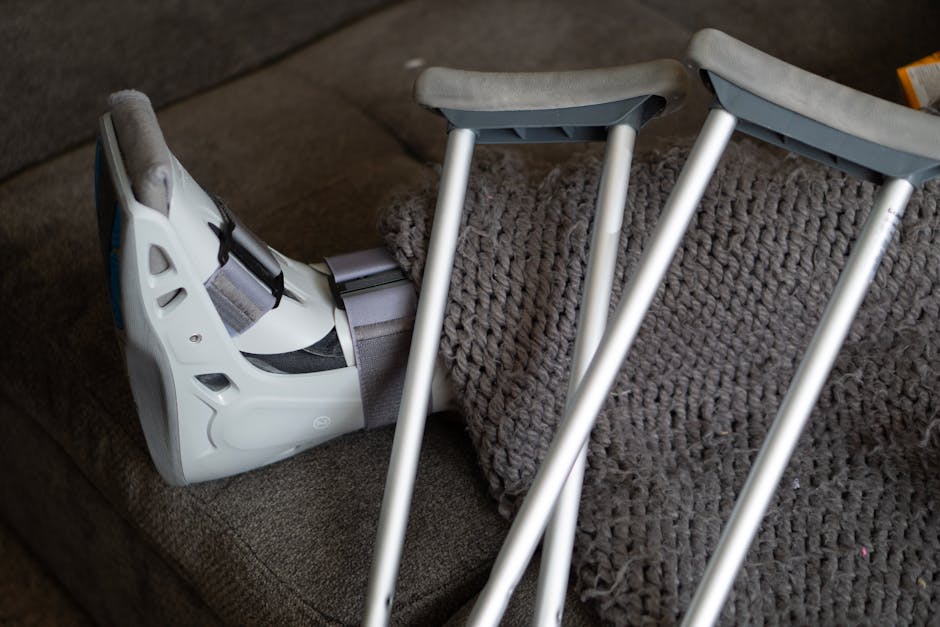
Post-surgical recovery. Joint replacement surgery (hip or knee), foot and ankle surgery, ACL repair, and many orthopedic procedures require mobility aids during recovery. A knee walker is a classic temporary device, used for 4 to 8 weeks after foot or ankle surgery and then returned or stored. Similarly, people recovering from hip replacement typically need a walker or rollator for 4 to 12 weeks before progressing to a cane and eventually independent walking.
Fractures and acute injuries. Broken bones, severe sprains, and soft tissue injuries often require crutches, walkers, or wheelchairs during the healing period. Most fractures heal in 6 to 12 weeks, making this a clearly temporary need.
Post-hospitalization deconditioning. Extended hospital stays can leave patients temporarily weakened, needing a walker or wheelchair for weeks or months as they rebuild strength. With consistent rehabilitation, most people in this category return to their previous level of mobility.
Temporary medical conditions. Certain conditions like Guillain-Barre syndrome, some infections, or medication side effects can temporarily impair mobility. Once the underlying condition resolves, the equipment need typically resolves as well.
For a detailed look at how equipment needs change during post-surgical recovery, see our guide to hip replacement recovery timelines.
Conditions That Typically Require Permanent Equipment
Other situations indicate that mobility equipment will be a long-term or permanent part of daily life.
Progressive neurological conditions. Multiple sclerosis, Parkinson’s disease, ALS, and similar conditions typically require mobility aids that evolve as the condition advances. Someone with early-stage MS might start with a cane and eventually progress to a power wheelchair over years or decades. Our guides to mobility aids for MS and equipment for Parkinson’s cover the specific progression patterns for these conditions.
Spinal cord injuries. Depending on the level and completeness of injury, spinal cord injuries often result in permanent wheelchair use. While rehabilitation can improve function over time, the baseline equipment need is typically lifelong.
Chronic conditions with mobility impact. Severe arthritis, chronic pain conditions, advanced COPD, and heart failure can permanently limit mobility. If the underlying condition is not expected to improve significantly, the equipment need is permanent.
Age-related decline. Many older adults experience gradual mobility decline that does not have a specific reversible cause. Balance problems, general weakness, and the cumulative effect of multiple minor conditions often create a permanent need for walking aids, rollators, or eventually wheelchairs.
The Gray Area: When It Could Go Either Way
Many real-world situations fall between clearly temporary and clearly permanent. A stroke can result in complete recovery, partial recovery, or permanent disability, and the trajectory is not always clear in the early months. See our stroke recovery equipment timeline for guidance on how equipment needs typically evolve after a stroke.
When you are in this gray area, the best strategy is to plan for temporary use in the short term while keeping permanent options in mind. This usually means renting or borrowing equipment for the first 3 to 6 months, actively pursuing rehabilitation, and then reassessing once the recovery trajectory becomes clearer.
Financial Implications: Renting, Buying, and Everything in Between
When Renting Makes Financial Sense
Renting mobility equipment is typically the better financial choice when the expected duration of need is less than 6 months, when the specific equipment needed may change as your condition evolves, when you want to try a particular type of equipment before committing to a purchase, or when your insurance covers rental more favorably than purchase.
Rental costs vary by equipment type. A basic manual wheelchair rents for approximately $75 to $150 per month. A knee walker rents for $40 to $80 per month. A standard power wheelchair or scooter rents for $200 to $400 per month. At these rates, the break-even point where rental costs equal purchase price is typically 6 to 10 months for manual equipment and 8 to 14 months for power equipment.
For a deeper analysis of the rental vs. purchase decision including insurance considerations, see our comprehensive renting vs. buying guide.
When Buying Makes Financial Sense
Purchasing equipment is typically the better financial choice when the expected duration of need is more than 6 to 12 months, when you have identified the specific equipment that works best for you, when proper fit and customization are important for comfort and function, and when your insurance covers the purchase at a favorable rate.
The advantage of ownership goes beyond the monthly cost comparison. When you own your equipment, you can customize it to your exact needs, maintain it to your own standards, and have it available without scheduling returns or renewals. For long-term users, the comfort and fit of properly sized, customized equipment significantly affects quality of life.
The Insurance Angle
Insurance coverage strategies differ between temporary and permanent equipment needs in important ways. Medicare covers wheelchairs under a capped rental model, where you rent for 13 months and then own the equipment. If your need is genuinely temporary (say 3 months), you can return the equipment early and only pay for the months you used it.
Private insurance may handle things differently, and it is worth understanding your plan’s specific rental vs. purchase policy before acquiring equipment. Some plans only cover rental, some only cover purchase, and some give you the choice. Our guide to insurance coverage covers the details for different insurance types.
Buying Used or Refurbished
If you expect a permanent or long-term need but want to manage costs, used and refurbished equipment can offer significant savings. A used manual wheelchair in good condition typically costs 40 to 60 percent less than new. Used power wheelchairs and scooters are available at 30 to 50 percent off retail, though battery condition and motor wear require careful inspection.
Buying used makes particular sense when you are transitioning from temporary to permanent use and have already identified the type and size of equipment that works best for you through your rental period.
Planning for Transitions
From Temporary to Permanent
Many people begin with temporary equipment and later realize their need is ongoing. Common scenarios include a hip replacement patient who recovers well but finds that long-distance walking remains difficult, a stroke survivor who regains significant function but continues to need a cane or rollator for balance, and an older adult who uses a walker after a fall and discovers it allows them to remain active in ways they had been avoiding due to fear of falling.
If you start with a rental and determine that your need is permanent, the transition strategy is straightforward. Stop the rental, take what you learned about your preferences and needs during the rental period, and invest in equipment that you have selected based on actual experience rather than guesswork. This approach often results in better equipment choices because you have had months to understand what features matter to you.
From One Level to Another
Progressive conditions create a different kind of transition: not from temporary to permanent, but from one level of equipment to the next. A person with Parkinson’s disease might progress from a cane to a rollator to a power wheelchair over a period of years. Each transition requires a new equipment decision.
The caregiver’s guide to mobility equipment covers this progression planning in detail. The key financial principle is to avoid over-investing in equipment at any single stage. If you know a transition is likely within 1 to 2 years, a mid-range option at the current level makes more sense than a top-of-the-line model you will outgrow.
From Permanent Back to Reduced Need
Occasionally, people find they need less equipment than expected. Successful rehabilitation, weight loss, new medication, or a corrective surgery can reduce mobility equipment needs. When this happens, selling or donating equipment you no longer need is the best approach. Used mobility equipment has a healthy resale market, and free wheelchair programs accept donations that go to people who cannot afford equipment.
Making the Decision: A Practical Framework
Step 1: Consult Your Medical Team
Your physician, physical therapist, or occupational therapist is the best source of guidance on whether your mobility limitation is likely to be temporary, permanent, or uncertain. Ask them directly for their best estimate of timeline and trajectory. If they cannot give a clear answer, that itself is useful information that suggests starting with a temporary approach.
Step 2: Define Your Timeline
Based on medical guidance, estimate the duration of your equipment need. Less than 3 months is clearly temporary; rental is almost always the right choice. Three to 6 months is likely temporary but warrants evaluating break-even costs between rental and purchase. Six to 12 months is a gray area where insurance coverage terms may tip the decision. More than 12 months is likely permanent; purchasing (new or used) typically makes more financial sense.
Step 3: Consider Your Condition’s Trajectory
Is your condition stable, improving, or declining? Stable conditions favor purchasing equipment that fits your current needs. Improving conditions favor renting or buying affordable equipment that you can upgrade or discontinue later. Declining conditions favor a staged approach: invest moderately now, and plan to reassess as your needs evolve.
Step 4: Factor in Insurance
Check your insurance coverage for both rental and purchase options. Some insurance plans, including Medicare, have structured rental-to-own programs that effectively make the decision for you. Others give you flexibility. Use our Medicare coverage checker to understand what Medicare covers for your specific equipment type, and contact your private insurer for their specific rental and purchase policies.
Step 5: Plan for Reassessment
Whatever decision you make now, build in a reassessment point. If you chose rental, review at 3 months and again at 6 months whether your need is continuing and whether purchasing would be more cost-effective. If you purchased, review at 6 to 12 months whether the equipment still matches your functional level. Mobility needs change, and regular reassessment prevents you from either overspending on rentals or being stuck with equipment that no longer fits.
Common Mistakes to Avoid
Buying top-of-the-line equipment for a first-time, uncertain need. Until you know your specific requirements, a basic or mid-range option gives you what you need without a major financial commitment.
Renting month after month without reassessing. If you have been renting a wheelchair for 8 months, you have likely passed the break-even point. Evaluate whether purchasing makes more sense.
Assuming your current equipment level is final. Whether your condition is improving or declining, the equipment that works today may not be the right choice in 6 months. Stay open to change.
Ignoring the how to choose process. Whether temporary or permanent, equipment that does not fit your body, your home, or your daily routine will not get used. Proper selection matters even for short-term equipment.
Forgetting about accessories and maintenance. Both temporary and permanent equipment may need accessories (cushions, bags, cup holders) and maintenance. Budget for these costs and see our guide to walking aid accessories for the essentials.
Frequently Asked Questions
How do I know if my post-surgery mobility need will become permanent?
Most post-surgical recovery follows a predictable timeline. Your surgeon and physical therapist can give you milestones to track. If you are meeting rehabilitation goals on schedule (bearing weight by week 4, walking with a cane by week 8, for example), your need is likely temporary. If recovery plateaus significantly below your pre-surgery function level, the need may become long-term. The 3-month mark is typically a good checkpoint for most orthopedic procedures.
Can I switch from renting to buying the same piece of equipment?
Some DME suppliers and insurance programs allow you to convert a rental to a purchase, applying some or all of your rental payments toward the purchase price. Medicare’s capped rental program does this automatically over 13 months. Private insurance and direct-pay arrangements vary. Ask your supplier about conversion options before you start renting.
What should I do with temporary equipment I no longer need?
If you purchased the equipment, you can sell it through online marketplaces, donate it to a local free wheelchair program or nonprofit, or return it to the supplier if they have a buyback program. If you rented, simply return it according to the rental agreement terms. Many communities also have medical equipment lending closets through churches, senior centers, and charitable organizations.
Is it worth buying used equipment for a temporary need?
Buying used equipment for a temporary need can make sense if the used price is comparable to or less than the total rental cost for your expected duration. For example, if you need a rollator for 4 months and can buy a used one for $60 (versus renting at $40 per month for $160 total), buying used and then donating or reselling when you are done is the cheaper option. The caveat is that you take on the responsibility of inspecting the equipment and ensuring it is safe and properly sized.
How often should I reassess my mobility equipment needs?
For temporary conditions, reassess at each medical follow-up appointment, which is typically every 2 to 4 weeks during active recovery. For permanent conditions, a formal reassessment every 6 to 12 months is appropriate, or sooner if you notice a significant change in your abilities. Physical therapists and occupational therapists can perform functional assessments that help quantify changes in your mobility and guide equipment adjustments.
The MobilityLane Team
Written by a caregiver with 18+ years of experience supporting family members with chronic illness and mobility challenges, and medical training in mobility recovery. We research and write about mobility solutions to help people maintain independence and quality of life.
Learn more about us →Stay Independent, Stay Informed
Get our weekly guide to mobility solutions, funding tips, and home safety resources delivered to your inbox.
Thank you! Check your inbox to confirm your subscription.
Something went wrong. Please try again.
Join 1,000+ caregivers and families. Unsubscribe anytime.
Related Guides

Renting vs Buying Mobility Equipment: Cost Analysis and Decision Guide
Comprehensive cost-benefit comparison of renting versus purchasing mobility equipment including total cost of ownership,...

A Caregiver's Guide to Managing Mobility Equipment
Practical guide for caregivers on selecting, maintaining, and using mobility equipment. Covers walkers, wheelchairs, sco...

Knee Walker Guide: Recovering After Foot and Ankle Surgery
Everything you need to know about using a knee walker (knee scooter) after foot, ankle, or lower leg surgery. Covers whe...