
Table of Contents
Key Takeaways
- Properly fitted equipment is safer and more likely to be used consistently, so investing time in correct sizing prevents problems downstream
- Monthly maintenance checks on walkers and wheelchairs catch worn parts before they cause accidents
- Learning safe transfer techniques protects both the caregiver and the person being assisted from injury
- Encouraging independence with equipment, even when it is slower, preserves the person’s strength, confidence, and dignity
- Caregiver physical health is directly affected by how mobility equipment is managed, making proper body mechanics essential
The Caregiver’s Role with Mobility Equipment
When someone you care for begins using mobility equipment, your role shifts in ways that are not immediately obvious. You are not just helping them get from point A to point B. You become an equipment manager, a safety monitor, a maintenance technician, and sometimes a reluctant enforcer of device use. Each of these roles comes with a learning curve, and most caregivers receive little to no training for any of them.
This guide addresses the practical, day-to-day realities of managing mobility equipment as a caregiver. It covers the most common device categories, basic maintenance, safe assistance techniques, and the often-overlooked challenge of supporting independence while managing risk.
Understanding Common Mobility Devices
The equipment landscape can feel overwhelming, but most devices fall into a few core categories. Beyond walking aids and wheelchairs, you may also need to evaluate options like lift chairs or a home hospital bed as care needs progress. Understanding what each one does, and does not do, helps you support the person you care for more effectively.
Canes and Walking Sticks
Canes provide modest balance support and partial weight-bearing assistance. They are appropriate for someone who has mild balance problems, slight weakness on one side, or occasional unsteadiness. A cane is not a substitute for a walker when more substantial support is needed.
Fit check. When the person stands upright with arms at their sides, the cane handle should align with the crease of their wrist. Their elbow should bend at approximately 15-20 degrees when holding the cane. A cane that is too tall causes shoulder hiking; too short causes leaning. If you need guidance on sizing, our guide on how to properly size and fit a walker covers principles that apply to canes as well.
Common caregiver issues. The person forgets to use it. They leave it in another room. They lean on it too heavily, which usually means they need a more supportive device. If resistance to using the cane is an ongoing problem, a conversation with their physical therapist may help identify why.
Walkers and Rollators
Walkers provide a stable base of support and are appropriate for moderate balance deficits, bilateral weakness, or recovery from surgery. The key distinction between standard walkers and rollators matters for daily use.
Standard walkers (no wheels or two front wheels) must be lifted with each step. They provide maximum stability but require upper body strength and a specific gait pattern. They are slower and more disruptive to natural walking rhythm.
Rollators have four wheels, hand brakes, and usually a seat. They allow a more natural walking pattern and provide a place to rest. However, they require the cognitive ability to manage brakes and can roll away if brakes are not engaged. Understanding the differences between rollators and walkers helps you determine which device matches the person’s current abilities.
Fit check. The same wrist-crease rule applies. When the person stands inside the walker with hands on the grips, elbows should bend 15-20 degrees. Grips that are too high cause shoulder fatigue; too low causes stooping and back pain.
Wheelchairs
Wheelchairs range from lightweight transport chairs (pushed by a caregiver) to power wheelchairs with complex drive systems. Your role as a caregiver varies significantly depending on the type.
Transport wheelchairs are lightweight, have small rear wheels, and are designed to be pushed. They are excellent for outings, medical appointments, and situations where the person cannot walk long distances but does not need a wheelchair full-time. Our transport wheelchair guide covers what to look for.
Manual wheelchairs have large rear wheels that allow the occupant to self-propel. Your role may include assistance on inclines, rough surfaces, and curb cuts, but the primary goal is supporting the person’s ability to move independently.
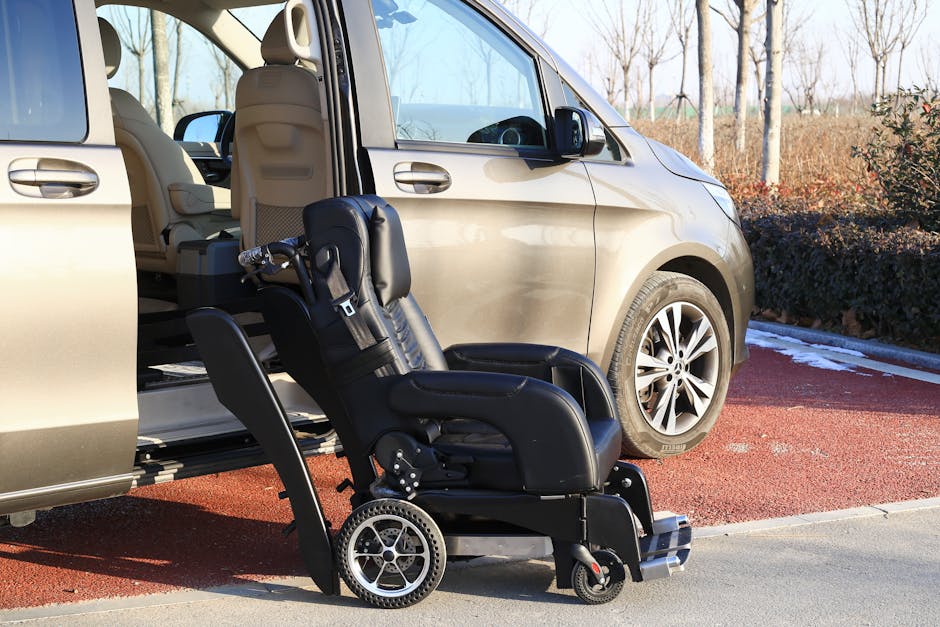
Power wheelchairs are operated by the occupant via a joystick or alternative control. Caregiver involvement focuses on charging, transport (if the chair breaks down for travel), and ensuring the environment is accessible.
Regardless of type, proper wheelchair maintenance is essential for safety and longevity. This is a caregiver responsibility that many people underestimate.
Equipment Maintenance: What to Check and When
Mobility equipment is life-safety equipment. A walker with worn rubber tips, a wheelchair with underinflated tires, or a rollator with malfunctioning brakes can directly cause a fall. Regular maintenance is not optional.
Weekly Checks
Rubber tips on canes and walkers. Examine the bottom of each leg tip. If the rubber is worn smooth, cracked, or the metal leg is poking through, replace the tips immediately. Worn tips lose traction, especially on smooth or wet floors.
Rollator brakes. Squeeze each brake handle. The wheels should lock completely. If the wheels still slide when brakes are engaged, the brake cables need adjustment or replacement. Test the parking brake (if separate from the hand brakes) by engaging it and pushing the rollator. It should not move.
Wheelchair tire pressure. If the wheelchair has pneumatic (air-filled) tires, check pressure weekly. Underinflated tires make the chair harder to push, reduce stability, and wear unevenly. A standard bicycle pump works for most wheelchair tires.
Monthly Checks
Frame integrity. Inspect the frame of walkers and wheelchairs for cracks, bent sections, or loose bolts. Pay particular attention to folding joints, which are stress points. Tighten any loose hardware.
Wheel bearings. Spin each wheel freely. It should rotate smoothly without grinding, wobbling, or resistance. Grinding sounds indicate bearing wear. Wobble indicates a bent axle or loose wheel.
Upholstery and cushions. Check wheelchair seat fabric and back upholstery for tears, sagging, or deterioration. A sagging seat changes the person’s posture and can cause pressure injuries over time. Replace worn cushions promptly.
Height adjustments. Verify that all height adjustment pins and push buttons are fully engaged and secure. A leg that slips to a shorter setting during use is a fall hazard.
Seasonal Considerations
Winter. Rubber tips lose grip on ice. Consider ice-grip attachments for cane and walker tips. Wheelchair users need wheel covers or tire changes for wet and icy conditions. Store equipment indoors to prevent metal fatigue from temperature cycling.
Summer. Vinyl and leather seats become uncomfortably hot in direct sunlight. A light-colored towel or breathable seat cover prevents heat discomfort. Check tire pressure more frequently, as heat increases air pressure in pneumatic tires.
Safe Assistance Techniques
How you physically help someone with their mobility equipment matters enormously, both for their safety and yours. Caregiver burnout often has a physical component, and improper body mechanics during transfers and assisted walking accelerate injury.
Assisted Walking
Position yourself correctly. Walk slightly behind and to the side of the person, on their weaker side if they have one. Do not hold the mobility device. If you need to provide physical support, a gait belt around their waist gives you a secure handhold without grabbing their arm or clothing.
Let the device do the work. The walker or rollator is providing the support. Your role is backup, not primary support. If you find yourself bearing significant weight, the person likely needs a more supportive device or a professional reassessment.
Navigate obstacles together. Announce and point out changes in surface, thresholds, curbs, and elevation changes. For threshold and door transitions, position yourself to hold the door while they navigate through with their device.
Wheelchair Assistance
Pushing technique. Push from the handles, not the armrests or backrest. Maintain a steady pace. Announce stops before stopping, and turns before turning. Sudden movements are disorienting and can shift the occupant.
Curbs and ramps. For ascending a curb, tilt the chair back using the tipping levers (the bars near the rear wheels) to lift the front casters onto the curb, then push the rear wheels up. For descending, go backward so the large rear wheels go down first. On ramps, maintain control by keeping your weight behind the chair on descents.
Transfers. Getting in and out of a wheelchair is one of the highest-risk moments in daily caregiving. Proper technique protects both of you. Our detailed guide on wheelchair transfer techniques covers specific methods for bed, car, and toilet transfers.
Protecting Your Own Body
Use your legs, not your back. When helping someone stand, bend at the knees and hips, keep your back straight, and drive upward with your legs. Never twist while lifting.
Get close. The farther the person is from your body during a transfer, the more strain on your back. Position yourself as close as possible.
Ask for help. If a transfer feels unsafe or beyond your physical ability, do not attempt it alone. Use a mechanical lift, call for a second person, or contact the person’s physical therapist for guidance on safer techniques.
Maintaining awareness of fall prevention strategies ensures that your daily routines around equipment use are as safe as possible.
Supporting Independence Without Taking Over
This is perhaps the most difficult aspect of managing mobility equipment as a caregiver. Watching someone struggle with a walker, fumble with wheelchair brakes, or take three times longer than necessary to complete a task triggers a powerful urge to step in and do it for them. Resisting that urge is one of the most important things you can do.
Why Independence Matters
Physical function is use-it-or-lose-it. Every task the person performs independently maintains strength, coordination, and range of motion. Every task you do for them accelerates decline. A person who stops propelling their own wheelchair loses arm strength. A person who stops walking with their rollator loses leg strength and balance.
Dignity and self-worth. Being able to do things for yourself matters profoundly to quality of life. When caregivers take over tasks the person can still manage, however slowly, the message received is often “you are incapable.” This erodes confidence and motivation.
Caregiver sustainability. Doing everything yourself is a direct path to physical and emotional exhaustion. Supporting independence is not just better for the care recipient. It is necessary for your own long-term well-being.
Practical Strategies
Set up for success. Instead of helping with the task, modify the environment so the person can do it themselves. Clear pathways. Position equipment within reach. Remove obstacles. Good equipment setup is a form of help that preserves independence.
Offer standby assistance. Be present and available without hovering. Say “I am right here if you need me” rather than reaching in to help at the first sign of difficulty. Let them attempt before you assist.
Know the line between struggle and danger. Allow productive struggle, the kind that builds strength and confidence. Intervene when there is genuine risk of injury. Learning to distinguish between the two takes time and observation.
Consider supportive partnerships. For some people, a trained service or assistance animal provides functional help with retrieving objects, balance, or alerting in ways that complement equipment.
Communicate openly. Ask what kind of help is wanted. “Would you like me to help with that, or would you prefer to do it yourself?” respects autonomy. “Let me do that for you” does not.
When Equipment Needs Change
Mobility needs are not static. The device that was right six months ago may no longer be appropriate. Watch for these signs that an equipment reassessment is needed:
- The person avoids using the device, possibly because it no longer meets their needs
- Frequent near-falls or actual falls while using the equipment
- Visible difficulty with device operation (cannot manage rollator brakes, cannot self-propel wheelchair)
- Increased fatigue or pain during equipment use
- A new diagnosis or change in condition that affects mobility
A physical therapist or occupational therapist can evaluate whether the current equipment is still appropriate and recommend modifications or alternatives. Most insurance plans cover periodic reassessments. If cost is a concern, our guide to renting vs. buying mobility equipment can help you decide the most practical approach when equipment needs are changing.
FAQ
How do I convince someone to use their mobility equipment when they refuse?
Resistance to mobility equipment is extremely common and usually stems from one of several sources: denial about declining abilities, association of the device with aging or disability, fear that using a device means giving up, or genuine discomfort with a poorly fitted device. Start by ruling out the practical issues. Is the device properly sized? Is it comfortable? Is it easy to use? If the fit is correct and the person still resists, try reframing the device as a tool for doing more, not a sign of doing less. A rollator is not a symbol of decline; it is what allows them to walk to the mailbox, shop at the grocery store, or attend their grandchild’s soccer game. If resistance persists, ask their doctor or physical therapist to have the conversation, as some people accept recommendations more readily from clinical authority.
What should I do if the person falls while using their mobility equipment?
First, stay calm. Do not try to lift them immediately. Ask if they are in pain and whether they can move their arms and legs. If you suspect a head injury, spinal injury, or hip fracture (they cannot bear weight, severe pain in the hip or groin), call 911 and do not move them. If they appear uninjured and can participate in getting up, use a controlled floor-to-chair transfer: help them roll to their side, get onto hands and knees, and use a stable chair to push up to a kneeling position, then to standing. Report every fall to their doctor, even without apparent injury, as falls often indicate a change in condition or a need for equipment reassessment.
How do I transport mobility equipment in a car?
For walkers and rollators, fold them (most fold by squeezing side release buttons or pulling up on the seat) and lay them flat in the trunk or back seat. Remove detachable baskets and accessories first. For transport wheelchairs, fold by pulling up on the center of the seat fabric, and secure in the trunk with a bungee cord to prevent shifting. For manual wheelchairs, remove the wheels if the frame does not fit folded. Power wheelchairs and scooters typically require a vehicle lift or ramp, mounted to the hitch or inside a van. Never allow a folded mobility device to rest unsecured in a vehicle, as it becomes a projectile in a sudden stop.
How often should mobility equipment be professionally serviced?
For wheelchairs, an annual professional service is recommended, covering wheel alignment, brake adjustment, bearing replacement, and upholstery inspection. Power wheelchairs should be serviced every six to twelve months depending on usage, with particular attention to batteries, electronics, and joystick calibration. Walkers and rollators are simpler devices and generally do not require professional service if you perform the weekly and monthly checks described in this guide. However, if you notice problems you cannot resolve, such as persistent brake issues, frame damage, or unusual wheel behavior, consult the manufacturer or a durable medical equipment supplier for service. Many DME suppliers offer free or low-cost adjustments for equipment they sold.
The MobilityLane Team
Written by a caregiver with 18+ years of experience supporting family members with chronic illness and mobility challenges, and medical training in mobility recovery. We research and write about mobility solutions to help people maintain independence and quality of life.
Learn more about us →Stay Independent, Stay Informed
Get our weekly guide to mobility solutions, funding tips, and home safety resources delivered to your inbox.
Thank you! Check your inbox to confirm your subscription.
Something went wrong. Please try again.
Join 1,000+ caregivers and families. Unsubscribe anytime.
Related Guides

How to Safely Transfer an Elderly Person to and from a Wheelchair
Step-by-step guide to safe wheelchair transfers. Covers bed to wheelchair, wheelchair to car, toilet transfers, and when...

Caregiver's Guide to Preventing Falls at Home
Evidence-based fall prevention strategies for caregivers. Covers risk factors, room-by-room hazard checks, exercises, me...
Wheelchair Maintenance: How to Keep Your Chair in Top Shape
A practical guide to maintaining manual and power wheelchairs. Covers tire care, brake adjustments, battery maintenance,...