Table of Contents
Key Takeaways
- Start with the bathroom (grab bars, non-slip surfaces) and stairs (handrails, lighting) as the highest-risk areas
- Free modifications like removing throw rugs and clearing walkways have immediate safety impact
- Basic modifications (grab bars, lighting, handrails) can be completed for $500 to $1,500
- Medicaid HCBS waivers, VA grants, and nonprofit organizations can help cover modification costs
- You do not need to do everything at once; prioritize and work outward from the highest-risk areas
Why a Home Safety Assessment Matters
Falls are the leading cause of injury among adults over 65, and most falls happen at home. The Centers for Disease Control and Prevention estimates that one in four older adults falls each year, and many of those falls result in serious injuries like hip fractures, head trauma, and long-term loss of independence.
The good news is that the majority of fall hazards in the home are fixable. Simple modifications like grab bars in the bathroom, improved lighting in hallways, and removing throw rugs can reduce fall risk dramatically. Larger projects like stairlifts, walk-in showers, and ramps make the home accessible for people who use walkers, rollators, or wheelchairs.
This checklist covers every room in your home with specific, actionable modifications and realistic cost estimates. You do not need to do everything at once. Start with the highest-risk areas (bathrooms and stairs) and work outward from there.
Entryway and Front Door
The entry is where the outside world meets your home, and it is one of the most common places for falls. Steps, uneven surfaces, poor lighting, and difficult-to-operate doors all create hazards.
Priority Modifications
- Exterior lighting: Install motion-activated lights at all entry points. Poor lighting is a major fall risk factor, especially in the evening. Cost: $30 to $100 per fixture
- Threshold ramps: If the doorway has a raised threshold, a small threshold ramp (1 to 2 inches high) eliminates the tripping hazard. Cost: $20 to $60
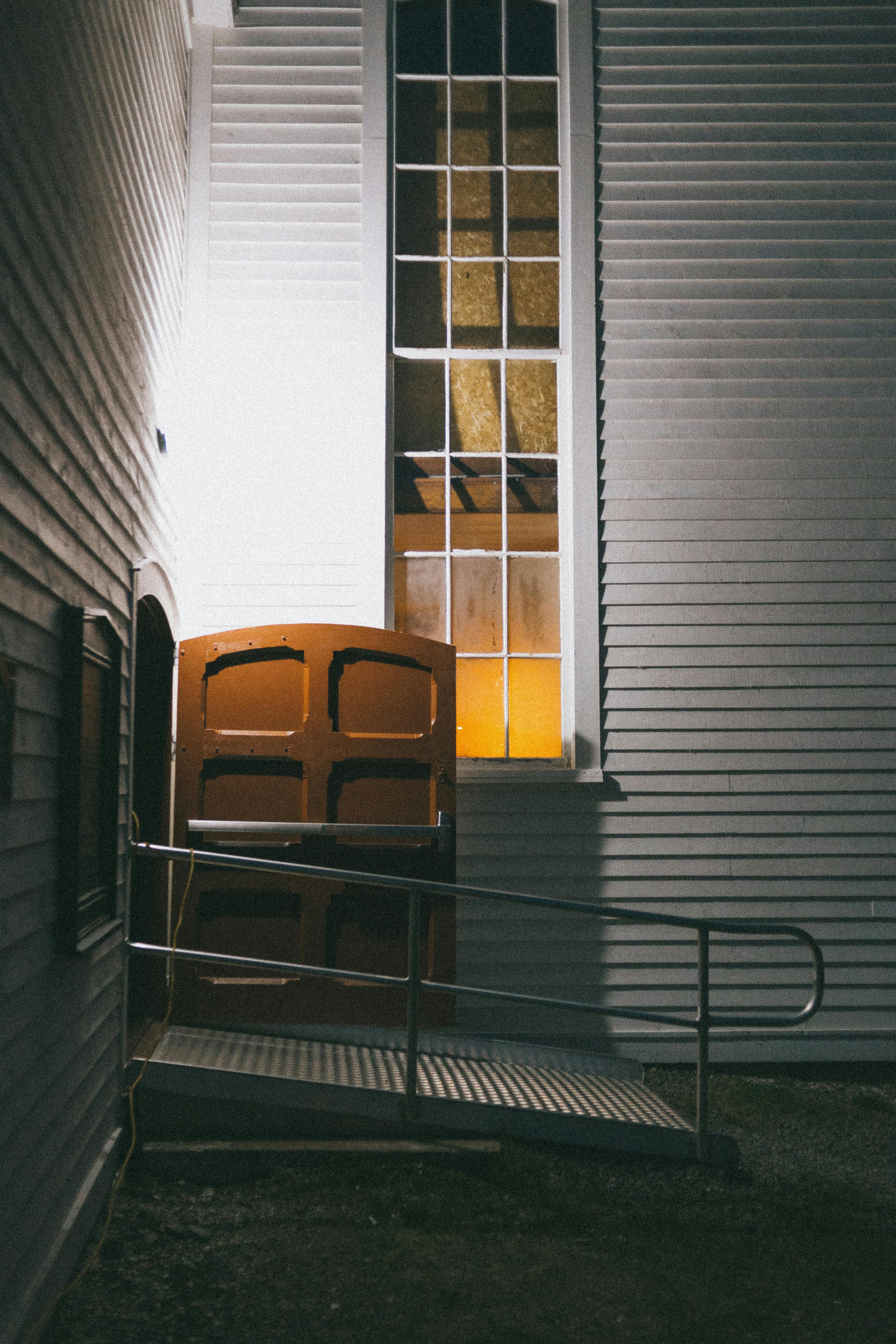
- Full entry ramp: If there are steps, a ramp provides safe access for walkers, rollators, and wheelchairs. Portable aluminum ramps work for 1 to 3 steps. Permanent ramps are needed for larger height changes. Cost: $100 to $3,000 depending on length and material
- Door handle conversion: Replace round doorknobs with lever-style handles that are easier to operate with limited hand strength. Cost: $15 to $40 per door
- Door width: Standard doorways are 28 to 32 inches wide. Wheelchairs and wide rollators need at least 32 inches, ideally 36 inches. Offset hinges can add 2 inches of clearance without a full remodel. Cost: $15 to $30 per door (offset hinges) or $200 to $1,000 (doorway widening)
- Non-slip welcome mat: Replace any curling or loose mats with a flat, secured non-slip mat. Cost: $15 to $40
- Handrails: Install handrails on both sides of any exterior steps. Cost: $50 to $200 per side
Kitchen
The kitchen involves reaching, bending, standing for extended periods, and handling hot items, all of which present risks for people with limited mobility or balance issues.
Priority Modifications
- Anti-fatigue mats: Place cushioned, non-slip mats at the sink and stove to reduce leg fatigue during standing tasks. Cost: $20 to $60 per mat
- Lever faucet handles: Replace twist-style faucet handles with lever-style that require less hand strength. Cost: $30 to $150 for a new faucet, or $15 to $30 for an adapter
- Pull-out shelves: Install pull-out shelf organizers in lower cabinets to reduce the need for bending and reaching. Cost: $30 to $80 per shelf
- Lazy Susans: Add rotating trays to corner cabinets and deep shelves to bring items to the front. Cost: $15 to $50 each
- Stove safety: Consider an automatic stove shut-off device that turns off the burners after a set period of inactivity. Cost: $50 to $400
- Counter height: For wheelchair users, at least one section of counter should be lowered to 30 to 34 inches. Cost: $500 to $2,000
- Frequently used items: Rearrange storage so that the most-used items (dishes, glasses, pots, food) are between waist and shoulder height. Cost: Free
- Adequate lighting: Install under-cabinet LED strips to illuminate work surfaces. Cost: $20 to $60 per strip
Bathroom
The bathroom is the most dangerous room in the home for falls. Wet surfaces, hard edges, and the physical demands of bathing and toileting create a combination of hazards that is difficult to match anywhere else in the house.
Priority Modifications (Start Here)
- Grab bars by the toilet: Install a grab bar on the wall next to the toilet and/or a toilet safety rail that bolts to the toilet itself. These provide critical support for sitting and standing. Cost: $20 to $50 per grab bar (plus $50 to $100 for professional installation) or $40 to $80 for a toilet safety frame
- Grab bars in the shower/tub: Install grab bars at the shower entry point, inside the shower at standing height, and at a lower position for support while sitting. Use stainless steel bars rated for at least 250 pounds, mounted into wall studs (not just drywall). Cost: $20 to $50 per bar (plus installation)
- Shower chair or transfer bench: A shower chair allows seated bathing, dramatically reducing fall risk. A transfer bench bridges the tub wall, letting you sit down outside the tub and slide in. Cost: $30 to $80 for a shower chair, $40 to $100 for a transfer bench
- Raised toilet seat: A raised seat adds 3 to 5 inches of height, reducing the effort needed to sit down and stand up. Especially important after hip or knee surgery. Cost: $25 to $80
- Non-slip surfaces: Apply adhesive non-slip strips or a non-slip mat to the tub or shower floor. Cost: $10 to $30
- Handheld shower head: A detachable shower head on a flexible hose allows seated bathing and makes it easier to rinse without twisting or reaching. Cost: $20 to $60
- Adequate lighting: Bathrooms often have insufficient lighting. Add a bright overhead fixture and consider a motion-activated nightlight for nighttime bathroom trips. Cost: $10 to $50
- Lever faucet handles: Replace round faucet knobs with lever handles. Cost: $15 to $30 per adapter or $100 to $300 for a new faucet
Advanced Bathroom Modifications
- Walk-in shower: Replacing a tub with a curbless walk-in shower eliminates the most common bathroom fall hazard: stepping over the tub wall. Cost: $2,500 to $8,000
- Walk-in tub: Walk-in tubs have a door that allows entry without stepping over the side. They are popular but have drawbacks (you must sit in the tub while it fills and drains). Cost: $3,000 to $10,000 installed
- Comfort-height toilet: A comfort-height (ADA-compliant) toilet is 17 to 19 inches high, compared to the standard 15 inches. This reduces the distance you need to lower yourself and makes standing easier. Cost: $150 to $400 installed
Bedroom
The bedroom should be a safe haven for rest and recovery. Nighttime falls (often during trips to the bathroom) are among the most dangerous because disorientation, darkness, and sleepiness compound fall risk.
Priority Modifications
- Bed height: The ideal bed height allows you to sit on the edge with your feet flat on the floor and your knees at a 90-degree angle. Bed risers or an adjustable bed frame can help achieve the right height. Cost: $10 to $40 for bed risers, $200 to $1,500 for an adjustable frame
- Nightstand placement: Keep a nightstand within arm’s reach with a lamp, phone, glasses, and any medications you may need. Cost: Rearranging is free
- Motion-activated nightlights: Install nightlights along the path from the bed to the bathroom. Motion-activated models turn on automatically when you get up. Cost: $10 to $25 per light
- Clear pathways: Remove clutter, cords, shoes, and loose items from the floor between the bed and the bedroom door. The path to the bathroom should be completely clear. Cost: Free
- Bed rail: If you have difficulty getting in and out of bed, a bed assist rail provides a handle for leverage. Cost: $30 to $80
- Clothing accessibility: Move frequently worn clothes to rod height and easily accessible drawers. Avoid the need to use step stools or reach to high shelves. Cost: Free (reorganization) or $50 to $200 (closet organizer)
Living Areas
Living rooms, family rooms, and dining areas see the most daily traffic, which means more opportunities for tripping, slipping, and falling.
Priority Modifications
- Remove throw rugs: Throw rugs and scatter rugs are one of the most common tripping hazards. Remove them entirely or secure them with double-sided carpet tape. Cost: Free to $10
- Secure electrical cords: Tape cords to the wall or baseboards, or run them under cord covers. Never let cords cross walking paths. Cost: $5 to $20 for cord covers
- Furniture arrangement: Create clear, wide walkways (at least 36 inches) between furniture. If you use a walker or rollator, test the path with the device before finalizing the layout. Cost: Free
- Stable furniture: Make sure chairs and tables are sturdy enough to support someone who grabs them for balance. Remove or replace lightweight furniture that tips easily. Cost: Varies
- Flooring: Low-pile carpet or non-slip hard flooring (like vinyl plank) is safer than high-pile carpet, glossy tile, or polished hardwood. If replacing flooring is not an option, apply non-slip treatments to slippery surfaces. Cost: $2 to $8 per square foot for new flooring, $20 to $40 for non-slip treatments
- Lighting: Ensure all rooms have adequate lighting with easily accessible switches. Remote-controlled or voice-activated lighting can help if wall switches are hard to reach. Cost: $10 to $50 per smart bulb
- Chair height: Low, deep sofas and chairs are difficult to get out of. Chair risers or a lift chair can make sitting and standing easier. Cost: $15 to $40 for risers, $500 to $2,000 for a lift chair
Stairs and Hallways
Stairs are one of the highest-risk areas in any home. Even a single step between rooms can be a fall hazard.
Priority Modifications
- Handrails: Install handrails on both sides of all staircases and any hallways longer than 10 feet. Handrails should extend the full length of the stairs and be easy to grip. Cost: $50 to $200 per side
- Stair lighting: Install lights at the top and bottom of every staircase. Motion-activated stair lights on each step provide additional visibility. Cost: $30 to $100 for overhead fixtures, $20 to $60 for LED stair strips
- Stair markers: Apply contrasting color tape or non-slip strips to the edge of each step to make the edges visible. This is especially helpful for people with low vision. Cost: $10 to $30 per staircase
- Non-slip stair treads: Apply textured, non-slip treads to each step to prevent slipping. Cost: $3 to $8 per step
- Stairlifts: For people who cannot safely climb stairs, a stairlift provides motorized access between floors. Straight stairlifts are significantly less expensive than curved models. Cost: $2,000 to $5,000 (straight), $8,000 to $15,000 (curved)
- Hallway handrails: Long hallways benefit from a continuous handrail for balance support. Cost: $100 to $300
Outdoor Spaces
Porches, patios, gardens, and driveways are common fall locations due to uneven surfaces, weather conditions, and changes in elevation.
Priority Modifications
- Pathway lighting: Solar-powered stake lights along walkways and driveways provide visibility without wiring. Cost: $20 to $60 per set
- Handrails on all steps: Every outdoor step, even a single step, should have a handrail. Cost: $50 to $200 per rail
- Ramp access: If a family member uses a wheelchair, scooter, or rollator, ramp access is essential. Portable ramps work for temporary needs. Permanent ramps should follow ADA slope guidelines (1:12 ratio, meaning 1 inch of rise per 12 inches of ramp length). Cost: $100 to $3,000+
- Level walkways: Repair cracked, raised, or uneven walkway surfaces. Even a half-inch lip can catch a shoe or walker wheel. Cost: $50 to $500 depending on repair scope
- Weatherproofing: Apply non-slip coatings to porch and patio surfaces that become slippery when wet. Clear snow and ice promptly in winter. Cost: $30 to $100 for coatings
How to Prioritize Modifications
If you cannot make all the changes at once (and most people cannot), focus on these areas first:
- Bathroom grab bars and non-slip surfaces (most falls happen here)
- Stair handrails and lighting (stair falls cause the most serious injuries)
- Remove throw rugs and clear walkways (free and immediate impact)
- Improve lighting throughout the home (affordable and high-impact)
- Entryway ramps or rails (ensures safe entry and exit)
Everything else can be addressed as budget and time allow.
Paying for Home Modifications
Several programs can help offset the cost of accessibility modifications:
- Medicaid HCBS waivers: May cover home modifications in some states for people who qualify for institutional care.
- VA SAH and HISA grants: Available to veterans with qualifying disabilities. SAH grants can provide up to $109,986 (2024 limit, adjusted annually).
- State assistive technology programs: Many states offer low-interest loans for home modifications.
- Area Agencies on Aging: Local organizations that can connect you with grants, volunteers, and low-cost modification programs.
- Nonprofit organizations: Groups like Rebuilding Together provide free home modifications for qualifying homeowners.
Medicare generally does not cover home modifications, though some Medicare Advantage plans include limited benefits. For a full overview of funding options, see our funding and insurance guide. For a broader look at how smart home devices, medical alert systems, and other technology can complement physical modifications, see our aging in place technology guide.
FAQ
How much does a full home accessibility renovation cost?
Costs vary widely depending on scope. Basic modifications (grab bars, lighting, throw rug removal, handrails) can be completed for $500 to $1,500. A moderate renovation (bathroom modifications, ramp, stairlift) typically costs $5,000 to $15,000. A comprehensive renovation (walk-in shower, widened doorways, kitchen modifications, stairlift) can cost $15,000 to $40,000 or more.
Can I install grab bars myself?
Yes, if you are comfortable with basic tools and can locate wall studs. Grab bars must be anchored into studs (not just drywall) to support body weight safely. If you are unsure about stud locations or proper installation, hire a handyman or contractor. Improperly installed grab bars are dangerous because they create a false sense of security.
What is the most important home modification for fall prevention?
Bathroom grab bars consistently rank as the single most impactful modification for fall prevention. The combination of wet surfaces, hard edges, and the physical demands of bathing and toileting makes the bathroom the highest-risk room. Grab bars near the toilet and in the shower or tub provide critical support during the most vulnerable moments.
Do home modifications affect home resale value?
Most accessibility modifications either maintain or increase home value. Universal design features like lever handles, walk-in showers, and wider doorways appeal to buyers of all ages and abilities. Stairlifts and very specialized medical modifications may have mixed impact on value, though they can be removed if needed.
Should I hire a contractor or do modifications myself?
Simple modifications like nightlights, throw rug removal, cord management, lever handles, and basic grab bars can be DIY projects. More complex work like ramp construction, walk-in shower installation, doorway widening, and stairlifts should be done by licensed contractors. For grab bars, even if you are handy, consider professional installation to ensure proper stud anchoring.
Where do I start if I am overwhelmed by all these modifications?
Start with a simple walkthrough of your home using this checklist. Mark the items that feel most urgent, especially anything related to the bathroom and stairs. Then tackle the free modifications first (removing throw rugs, rearranging furniture, improving cord management). This gives you immediate safety improvements while you plan and budget for the bigger projects.
The MobilityLane Team
Written by a caregiver with 18+ years of experience supporting family members with chronic illness and mobility challenges, and medical training in mobility recovery. We research and write about mobility solutions to help people maintain independence and quality of life.
Learn more about us →Stay Independent, Stay Informed
Get our weekly guide to mobility solutions, funding tips, and home safety resources delivered to your inbox.
Thank you! Check your inbox to confirm your subscription.
Something went wrong. Please try again.
Join 1,000+ caregivers and families. Unsubscribe anytime.
Related Guides

Best Grab Bars for Elderly: Bathroom Safety Essentials
We reviewed the 7 best grab bars for elderly bathroom safety. Covers wall-mounted, suction cup, tension pole, and fold-d...

Aging in Place Technology: Smart Home Solutions for Safety and Independence
Overview of technology solutions that support aging in place including medical alert systems, smart home automation, voi...

Caregiver's Guide to Preventing Falls at Home
Evidence-based fall prevention strategies for caregivers. Covers risk factors, room-by-room hazard checks, exercises, me...