Table of Contents
Key Takeaways
- Osteoporosis makes bones more likely to break with minor impacts, which means the same fall that would bruise a younger person can cause a hip, wrist, or spine fracture in someone with reduced bone density.
- Fall prevention is a layered strategy. No single piece of equipment is enough. The most effective approach combines home modifications, proper footwear, mobility aids when appropriate, and protective devices like hip protectors for higher-risk individuals.
- Hip protectors can reduce hip fracture risk during a fall but only work when worn consistently. Compliance is usually the hardest part of making them effective.
- Bathrooms, stairs, and bedrooms at night are responsible for most serious falls at home. Targeted modifications in these areas return the most safety for the least investment.
- Individual needs vary significantly, and an occupational therapy home assessment is often the best starting point because it identifies specific risks that a general checklist would miss.
Why Osteoporosis Changes the Fall Equation
Osteoporosis is a condition in which bone density and quality decline, leaving bones more fragile and more prone to breaking under forces that would be harmless to a healthier skeleton. It affects millions of older adults, particularly women after menopause, and it is often silent until the first fracture reveals it. Many people learn they have osteoporosis only after they have already broken a wrist from a minor fall or a vertebra from a simple twisting motion.
The risk of falling is roughly the same for people with osteoporosis as for other older adults. What changes is the consequence. A fall that produces a bruise or sprain in someone with normal bone density can cause a broken hip, wrist, pelvis, or spine in someone with osteoporosis. Hip fractures in particular are associated with long recovery times, permanent mobility loss, and increased mortality. Preventing the fall is therefore far more important than preventing the specific type of injury that might follow, because the fall itself is what creates the risk.
This reality changes how we think about fall prevention for people with osteoporosis. The goal is not just to reduce fall frequency. The goal is to reduce any situation in which the body hits a hard surface. That includes full falls, near falls, bumping into furniture, and awkward landings onto a chair or bed. Every impact matters when bones are fragile.
The Layered Strategy
Effective fall prevention works in layers. No single piece of equipment can protect you from every risk, which is why clinicians recommend addressing multiple factors at once. The layers generally include medical management of the osteoporosis itself, strength and balance exercise, home environment modifications, appropriate mobility aids, protective equipment, and good footwear.
Medical management belongs with your doctor. Medications, vitamin D, calcium, and regular bone density testing are the foundation. Equipment supplements this foundation, but it does not replace it. A person taking bone-building medication and doing weight-bearing exercise will always be better protected than a person relying only on grab bars and hip protectors. Both layers matter.
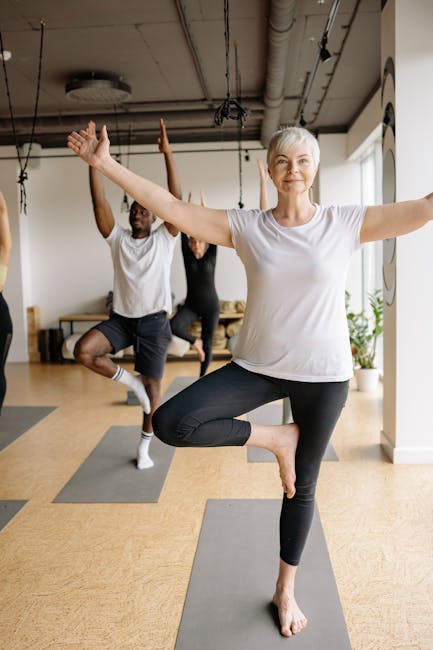
Strength and balance exercise is the second layer and the most powerful non-medical intervention. Programs like tai chi, supervised balance training, and progressive resistance exercise all measurably reduce fall risk in older adults. A physical therapist can design a program appropriate for your current abilities and any movement restrictions. Some older adults hesitate to exercise because they worry it might cause a fracture, but the opposite is usually true: lack of exercise accelerates frailty, and frailty increases falls.
The remaining layers, which this guide focuses on, are about equipment and environment. These are the areas where a thoughtful investment of time and money can dramatically reduce the chances of ever experiencing a hard impact.
Home Modifications That Matter
The first step in making a home safer is knowing which risks are actually present. A formal home safety assessment by an occupational therapist is the gold standard, because therapists are trained to spot hazards that homeowners have stopped seeing after years of daily use. If a professional assessment is not available, our home safety assessment guide covers how to evaluate a home yourself, room by room.
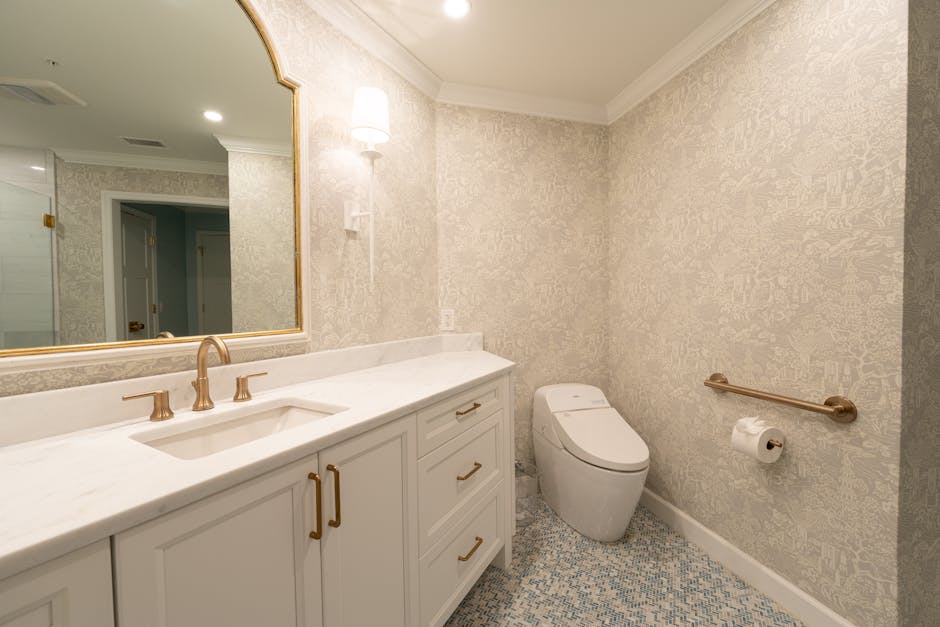
Bathrooms deserve the most attention. They are small, have hard surfaces, often have wet floors, and require several balance-challenging transitions: from standing to sitting on the toilet, from standing to sitting in the shower, from wet to dry, from dressed to undressed. Grab bars near the toilet and in the shower are among the highest-value safety additions for any home. They must be installed into studs or with anchors rated to hold full adult body weight, not the suction-cup style that can detach when loaded. Our guide to the best grab bars for elderly users covers sizing, placement, and installation details.
Other high-value bathroom changes include a non-slip bath mat inside the tub, a second mat or textured flooring outside the tub, a shower chair for longer bathing sessions, a raised toilet seat if standing up from a low toilet is difficult, and a handheld showerhead that allows seated bathing. These modifications are not glamorous, but they protect the parts of the body that break most easily in a fall.
Stairs come next. Every stairway should have secure handrails on both sides, not just one. Loose or missing handrails should be fixed immediately. Mark the edge of each step with a contrasting color so the depth of the step is easy to see in poor light. Make sure stair lighting is strong enough to see clearly at the top and bottom, and add a second light source if needed. Never store items on the stairs, no matter how temporary.
Bedrooms and hallways matter because so many falls happen at night during trips to the bathroom. Add a nightlight in the bedroom, hallway, and bathroom. Consider motion-activated lights so you do not have to fumble for switches in the dark. Keep the path to the bathroom completely clear. Remove throw rugs from this path, because rugs and dim light are a dangerous combination. If getting in and out of bed is difficult, a bed rail or bed cane can provide a stable handhold during transitions.
Living areas usually need smaller adjustments. Secure or remove loose rugs, tape down electrical cords that cross walking paths, and make sure furniture is arranged so you always have something stable to hold onto while moving through the room. Check your usual chairs, because a chair that is too low or too soft makes standing up difficult and increases the chance of an awkward landing when you sit down.
Mobility Aids for Osteoporosis
Unlike diabetic neuropathy, where mobility aids primarily address lost sensory feedback, mobility aids for osteoporosis are chosen for fall prevention more broadly. The right aid depends on your current balance, strength, and walking patterns. Some people with osteoporosis need nothing more than a handrail in the bathroom. Others benefit from a cane outdoors, a walker for longer distances, or a rollator with a seat for rest breaks.
A common reason people with osteoporosis resist mobility aids is the concern about appearing frail. This concern is understandable but misplaced. The appearance of frailty is temporary. A hip fracture can end independence permanently. If a physical therapist recommends a cane or walker, the benefit is protection during the exact moments when a fall would be most consequential.
For people whose fall risk is elevated by multiple conditions, equipment selection should take all of them into account at once. Someone with osteoporosis and diabetic neuropathy has different needs than someone with osteoporosis alone, and our guide to mobility aids for diabetic neuropathy covers how to think about overlapping conditions. The same principles apply to other combinations, such as osteoporosis with Parkinson’s disease or osteoporosis after a stroke.
When using any mobility aid, make sure it is correctly fitted and used properly. An improperly used cane or walker can increase fall risk rather than decrease it. Ask a physical therapist or occupational therapist to check your technique, and do not assume that because the device is in your hand you are using it correctly.
Hip Protectors
Hip protectors are padded garments designed to absorb or redirect impact to the hip bones during a fall. They come in several styles, including underwear with built-in pads, separate pads that slip into pockets in specialized garments, and harder protectors that shield the hip more rigidly. Clinical studies show that hip protectors can reduce hip fracture risk during a fall, but only when they are actually being worn at the moment of impact.
Compliance is the hardest part. Hip protectors are most often needed by people at highest risk, which tends to include frail older adults, people with dementia, and nursing home residents. These are also the groups most likely to find the garments uncomfortable, difficult to put on, or unfamiliar. For hip protectors to work, they need to be worn during all waking hours and often during sleep as well, because many falls happen in the bedroom or on the way to the bathroom at night.
If hip protectors are being considered, build in comfort from the start. Choose breathable fabrics, get the right size, and expect a period of adjustment. For people with cognitive impairment, simple designs that look like regular underwear are easier to accept than obvious medical devices. Several pairs should be purchased at once so laundry day does not become a gap in protection.
Hip protectors do not address wrist, spine, or shoulder fractures, which are also common osteoporotic injuries. They are one tool in a larger strategy, not a complete solution. Many clinicians consider them most valuable for people who have already had one hip fracture and are at high risk of a second.
Footwear for Fragile Bones
Footwear is often the most overlooked fall prevention tool. Shoes that fit poorly, have worn soles, or lack support contribute to falls directly. Shoes that are too soft or flexible leave the foot wobbly. Shoes with slick soles slip on wet or polished surfaces. Shoes that are too loose can slide off mid-step and become trip hazards.
The ideal shoe for fall prevention has a firm but cushioned sole, a non-slip tread, a secure closure such as laces or hook-and-loop straps, a snug but not tight fit, and a low heel. Avoid backless slippers, loose sandals, and shoes with smooth leather soles. Avoid walking in stocking feet indoors, which is one of the most common setups for a slip fall.
Good indoor shoes matter just as much as good outdoor shoes. Many older adults own expensive walking shoes for outside but shuffle around the house in decades-old slippers. Replace those slippers with a closed-toe, non-slip house shoe. Keep them next to the bed so the first step each morning is protected.
Anyone recovering from a recent fracture has additional footwear considerations during the healing period. Our guide to hip replacement recovery timeline discusses post-surgical footwear, though the same principles apply to other lower body injuries.
Preparing for the Fall That Might Still Happen
Even with excellent prevention, some falls still occur. Preparing for that possibility reduces the damage when it does.
Medical alert devices are worth considering for anyone who lives alone or spends significant time alone. These devices allow the user to summon help with a button press or, in newer versions, detect falls automatically and call for assistance. The key benefit is reducing the time spent on the floor after a fall, which directly affects medical outcomes.
Keep a phone within reach at all times, including in the bathroom and bedroom. A phone in a pocket is better than a phone on a table across the room. If a fall happens and a phone is not reachable, the next best plan is to stay calm, assess for injury before trying to move, and use whatever is nearby to attract attention.
For families and caregivers, our caregiver fall prevention guide offers a broader view of how to support a loved one with elevated fall risk without being intrusive or overprotective. Balance is important. Overly restrictive approaches can increase anxiety, reduce activity, and paradoxically worsen balance over time.
Individual Needs Vary
It is worth emphasizing that osteoporosis is not one thing. Bone density varies, medication response varies, risk tolerance varies, living situations vary, and personal preferences vary. What makes sense for one person may be unnecessary for another. The best fall prevention plan is one that matches your specific situation, which is why professional involvement matters.
Start with your primary care provider or endocrinologist to review your medical management. Ask for a referral to physical therapy for balance and strength assessment. Request an occupational therapy home evaluation if your insurance covers it. Talk to your pharmacist about medications that may increase fall risk, such as sedatives, blood pressure medications that cause dizziness, and some sleep aids. Then choose equipment and modifications based on the specific risks identified.
The goal is not a perfectly fall-proof life. That is not achievable for anyone, with or without osteoporosis. The goal is to reduce the specific risks you can control, build strength and balance over time, and make the home environment as forgiving as possible. Done consistently, these steps protect independence for years longer than they would otherwise last.
Frequently Asked Questions
How do I know if my osteoporosis is severe enough to need special fall prevention equipment?
Anyone diagnosed with osteoporosis has bone density low enough that a fall could cause a fracture. The severity of osteoporosis influences how urgent prevention becomes, but it does not change whether prevention matters. Talk to your doctor about your specific risk level and ask whether any additional precautions are recommended for your case.
Do hip protectors actually work?
Clinical research shows that hip protectors can reduce hip fracture risk during a fall, but only when they are being worn. The largest studies found benefit primarily in nursing home populations where compliance was monitored. For home use, effectiveness depends on whether the person is willing to wear them consistently. They work best as part of a broader prevention strategy rather than a standalone solution.
Are grab bars enough to make a bathroom safe?
Grab bars are one of the most important safety additions, but they are not enough on their own. A fully safer bathroom also includes non-slip surfaces inside and outside the tub, good lighting, a shower chair for longer bathing sessions if needed, and often a raised toilet seat or toilet safety rails. The goal is to eliminate as many balance-challenging moments as possible.
Can exercise actually make osteoporosis better?
Weight-bearing exercise and resistance training can help maintain bone density and, in some cases, modestly improve it. Exercise is also one of the most effective ways to reduce fall risk, because it builds the muscle strength and balance needed to recover from near-falls. Work with a physical therapist or trainer experienced with osteoporosis to choose safe exercises, and avoid high-impact or spine-flexion movements unless cleared by your doctor.
What should I do immediately after a fall, even if I feel fine?
Stay on the ground for a moment and check yourself for pain before trying to move. If you have any new pain, especially in the hip, wrist, back, or shoulder, avoid bearing weight on that area and call for help. Even if you feel fine initially, contact your doctor within 24 hours. Fractures sometimes do not show their full severity immediately, and some vertebral compression fractures are painless at first but worsen over the following days.
The MobilityLane Team
Written by a caregiver with 18+ years of experience supporting family members with chronic illness and mobility challenges, and medical training in mobility recovery. We research and write about mobility solutions to help people maintain independence and quality of life.
Learn more about us →Stay Independent, Stay Informed
Get our weekly guide to mobility solutions, funding tips, and home safety resources delivered to your inbox.
Thank you! Check your inbox to confirm your subscription.
Something went wrong. Please try again.
Join 1,000+ caregivers and families. Unsubscribe anytime.
Related Guides
How to Conduct a Home Safety Assessment for Aging in Place
A room-by-room guide to evaluating home safety for seniors and people with mobility challenges. Covers fall hazards, lig...

Caregiver's Guide to Preventing Falls at Home
Evidence-based fall prevention strategies for caregivers. Covers risk factors, room-by-room hazard checks, exercises, me...

Best Grab Bars for Elderly: Bathroom Safety Essentials
We reviewed the 7 best grab bars for elderly bathroom safety. Covers wall-mounted, suction cup, tension pole, and fold-d...