Table of Contents
Key Takeaways
- People with dementia fall at roughly twice the rate of cognitively healthy older adults because memory and judgment, not just physical balance, contribute to safe walking.
- Equipment that works for someone without cognitive impairment may confuse or frighten a person with dementia. Simplicity and familiarity often matter more than technical features.
- Wandering is a common and distressing behavior. A layered approach using door alarms, identification bracelets, GPS tracking, and enclosed outdoor spaces tends to work better than any single intervention.
- Fall mats, non-slip flooring, rounded furniture edges, and removal of low obstacles reduce injury when falls do happen. Making the environment forgiving is often more effective than trying to prevent every fall.
- Caregivers of people with dementia face significant physical and emotional demands. Asking for help is not a failure. Respite care, professional assessments, and community resources exist specifically for this purpose.
Dementia Changes Everything About Mobility Safety
Supporting a loved one with dementia is one of the most difficult responsibilities a family can take on. Nothing in the guide that follows minimizes that difficulty. The goal here is practical: to help you understand what changes mobility equipment decisions when cognition is part of the picture, and to give you a starting point for making your home and daily routine safer without removing more independence than necessary.
Mobility safety for people with dementia is not simply a version of mobility safety for older adults generally. It is a different problem. A cognitively healthy older adult with balance problems can learn to use a walker, remember to lock its brakes, and know which situations require extra caution. A person with dementia may not remember what the walker is for, may forget to use it, may leave it in another room, or may become frightened by an unfamiliar device. The equipment that helps one group can confuse or endanger the other.
At the same time, people with dementia need to move. Movement maintains physical health, supports mood, reduces agitation, and preserves whatever abilities remain. A common mistake in dementia care is to restrict mobility in an attempt to prevent falls, which leads to physical decline, more falls, and significant loss of quality of life. The goal is almost always to preserve safe movement, not to reduce movement.
This requires a different mental model. Instead of giving the person new skills or equipment to master, the care team usually needs to adapt the environment so that safer choices are the easier choices, and unsafe situations are simply not available.
Why People with Dementia Fall
People with dementia fall at roughly twice the rate of their cognitively healthy peers, and the falls tend to have worse outcomes. Several factors contribute to this elevated risk.
Judgment and planning are often impaired. Walking safely requires constant micro-decisions: this floor looks wet, I should slow down, this step is uneven, I need to reach for the handrail. Dementia can erode the brain’s ability to make these decisions reliably. A person who was a careful walker for 70 years can walk straight into a hazard they would have seen and avoided a year earlier.
Attention and multitasking become harder. A healthy person can walk and talk at the same time without trouble. For many people with dementia, trying to do two things at once causes one or both to fail. Asking a question while someone is walking, or distracting them with a television, can sometimes be enough to cause a stumble.
Spatial perception changes. Patterns on flooring, shadows on stairs, and transitions between different floor colors can appear as obstacles or holes to a person with dementia. Shiny floors can look wet. Dark mats on light carpet can look like deep openings. These visual misinterpretations are involuntary and can directly cause falls.
Medications contribute as well. Many medications commonly prescribed for dementia or for coexisting conditions increase fall risk as a side effect. Review all medications with your doctor or pharmacist and ask specifically about fall risk. Sometimes a simple adjustment in timing, dose, or choice of drug can significantly reduce risk.
Finally, physical changes continue. People with dementia experience the same aging that affects balance, muscle strength, and reaction time for everyone. These physical changes compound the cognitive ones, and the combination is what makes dementia-related falls so common.
Choosing Equipment That Will Actually Be Used
The most common equipment mistake in dementia care is buying something that is objectively better but practically unusable for the specific person. A technically advanced walker with multiple adjustments and features may sit in a corner, ignored, while the person with dementia continues to walk unassisted and unsteadily. A simpler walker that feels familiar and requires no new learning may get used every day.
Before buying any mobility aid, ask whether the person is likely to use it consistently. If the answer is uncertain, start with the simplest option. A single-point cane is usually easier to accept than a four-point cane. A basic walker is usually easier to accept than a rollator with brakes and a seat, though the rollator is more capable. Familiarity matters. A person who used a cane for years before dementia may happily accept the same style of cane now, while rejecting anything new.
Involve the person in the decision whenever possible. Even in mid-stage dementia, people often have strong preferences and will use equipment they choose themselves more reliably than equipment forced on them. Let them hold different options, walk a few steps, and say what feels right. Their feedback may not match what a physical therapist would recommend on technical grounds, but it usually predicts what will actually get used.
For people with significant cognitive impairment who cannot learn to use a new device, environmental modifications are often more effective than equipment. Grab bars installed at key locations, cleared walking paths, good lighting, and sturdy furniture arranged for hand support can all provide functional stability without requiring the person to remember anything.
Home Modifications Specific to Dementia
General home safety principles apply, and our home safety assessment guide covers the basics. But dementia introduces additional considerations that general guides may not address.
Flooring choices deserve specific attention. Avoid busy patterns, high-contrast transitions, and shiny surfaces. A solid, matte flooring color throughout the main walking areas is safer because it does not create visual confusion. Where carpeting ends and hard floor begins, choose colors that are similar rather than contrasting, because a dark strip on a light floor can appear as a step or a hole.
Lighting should be bright and even. Shadows can be frightening or disorienting for people with dementia, and dim areas are dangerous. Add extra lighting in hallways, bathrooms, and stairwells. Use warm but bright bulbs. Avoid motion-activated lights that turn on suddenly, which can startle someone who has forgotten they are in their own home. Gentle, continuous lighting is usually better than sudden activation.
Remove obstacles that would be easy to step around in healthy life. Low coffee tables, throw rugs, magazine racks, and ottomans all become serious trip hazards for a person whose attention and judgment are reduced. Clear a straightforward walking path through the main rooms of the home and keep it clear.
Mirrors and glass doors can cause confusion or fear. People with dementia sometimes do not recognize themselves in mirrors or misinterpret reflections as strangers. Cover large mirrors if they cause distress, and make sure glass doors are clearly visible so they are not walked into.
Bathrooms need particular care. Install grab bars near the toilet and in the shower. Use a contrasting toilet seat so it is visible against a white toilet. Remove or modify locks on the bathroom door so the person cannot lock themselves in. A shower chair, non-slip mat, and handheld showerhead make bathing safer and less physically demanding for both the person and the caregiver.
Wandering and What to Do About It
Wandering is one of the most stressful behaviors in dementia care. People with dementia may leave home in search of a place from their past, to complete an errand they remember having to do, or for reasons they cannot articulate. Wandering can happen during the day or at night, can happen quickly, and can end in dangerous situations.
A layered approach works best. No single intervention is foolproof, and combining several significantly reduces risk.
Door alarms are one of the simplest and most effective first steps. A simple chime or bell on each exterior door alerts caregivers when a door opens. More advanced systems include motion sensors, keypad locks, and smart home integration. The right choice depends on the size of the home and the caregiver’s tolerance for false alarms.
Identification is essential. Any person with dementia who leaves home unattended, even briefly, should wear some form of identification with their name, a phone number to call, and the fact that they have dementia. Wearable identification bracelets designed for this purpose are widely available. Some programs allow enrollment in local search registries that help first responders locate missing persons quickly.
GPS tracking devices add another layer. These small devices can be worn as a watch, clipped to clothing, or placed in a pocket. They allow caregivers to see the person’s location on a smartphone and can send alerts if the person leaves a designated safe zone. Battery life, reliability, and ease of wearing all vary between products. Our fall detection technology guide and medical alert systems guide both discuss related devices that may also be appropriate depending on the specific situation.
Enclosed outdoor spaces can transform wandering from a crisis into a non-issue. A fenced backyard or patio where the person can walk safely, enjoy fresh air, and satisfy the urge to move removes much of the pressure to leave through the front door. Even within the home, giving the person a safe path to walk, perhaps a hallway loop or a large open room, can meaningfully reduce wandering.
Finally, understand what the wandering is about. Sometimes it is boredom, sometimes anxiety, sometimes a specific unmet need. A person who is looking for a bathroom, or feels cold, or is hungry, may appear to be wandering when they are actually trying to solve a problem. Addressing the underlying need is more effective than just preventing the behavior.
Making Falls Less Injurious
Because preventing every fall is not realistic, making falls less injurious is an important part of the strategy. This is sometimes called a forgiving environment.
Fall mats are thick padded mats placed next to beds, chairs, or other high-risk spots. They do not prevent falls but they reduce injury when falls happen. For people who fall frequently, fall mats can be the difference between a bruise and a fracture. They should be used carefully, because mats themselves can become trip hazards if the person is still walking independently.
Round edges are safer than sharp edges. Consider replacing or covering sharp corners on coffee tables, bedside tables, and fireplace hearths. Padded corner protectors are inexpensive and easy to apply.
Lower beds reduce the fall distance if the person rolls or steps out of bed at night. A low profile bed or a mattress placed directly on a platform close to the floor can significantly reduce injury from bed-related falls. Bed alarms that alert caregivers when the person gets up are another option for people who need supervision at night.
Furniture choices matter. Sturdy chairs that the person can push against without tipping provide stable support during transfers. Avoid rolling chairs, reclining chairs that tip backward unexpectedly, and chairs that are too low or too soft. The right chair is one that the person can stand up from with minimal assistance and sit down into without dropping.
For caregivers thinking about fall prevention more broadly, our guide to caregiver fall prevention covers principles that apply to dementia care as well as to other situations.
Caring for the Caregiver
It is impossible to talk about mobility safety in dementia without also talking about caregiver wellbeing. The physical demands of supporting someone with progressing dementia are significant. The emotional demands are often heavier. Caregivers of people with dementia experience elevated rates of depression, anxiety, chronic illness, and burnout. This is not a personal weakness. It is a predictable consequence of a role that was never meant to be handled alone.
If you are the primary caregiver, please take this section seriously. Asking for help is not a failure. Accepting help from family, friends, or community services allows you to continue providing care without collapse. Respite care programs, adult day programs, home health aides, and support groups exist specifically for families in your situation. Many are free or available on a sliding scale.
Physical strain is a real concern. Helping with transfers, supporting someone who is unsteady, and cleaning up after falls all take a physical toll. Learn proper transfer techniques, use equipment like transfer belts or slide boards, and know when to ask for a two-person transfer instead of doing it alone. A caregiver injury can end the entire care arrangement, so protecting yourself is protecting your loved one.
Emotional strain needs attention too. Our guide to caregiver burnout prevention covers specific strategies for recognizing and addressing the signs before they become overwhelming. The single most important step is usually admitting to yourself that you are struggling, which is harder than it sounds after weeks or months of trying to hold everything together.
Finally, remember that dementia progression changes what is needed. The equipment and strategies that work well in early dementia will need to change in mid-stage dementia, and again in late stage. What worked last year may not work this year. Be willing to reassess, adapt, and sometimes let go of an approach that is no longer serving either of you. The goal is not consistency for its own sake. The goal is the safest and most comfortable daily life that is still possible, in the current moment, for the specific person you love.
Frequently Asked Questions
At what stage of dementia should I start thinking about mobility safety?
Start as soon as the diagnosis is made, even if the person seems steady and independent. Early planning allows for equipment purchases, home modifications, and routines to be established while the person can still participate in decisions. Waiting until a fall or a wandering incident forces the issue often means making difficult choices under stress.
Will my loved one be upset if I make home modifications?
Sometimes, yes. People with dementia can be sensitive to changes in their environment, and new equipment or altered layouts can cause distress. Make changes gradually when possible, involve the person in decisions when they can participate, and frame changes positively. A grab bar added in advance, before a fall, is usually easier to accept than a major remodel after an injury.
Are GPS tracking devices ethical to use without the person’s full understanding?
This is a personal and ethical question that each family must work through. Many families consider GPS tracking appropriate when the alternative is a serious safety risk from wandering. The goal is not to monitor or control but to find the person quickly if they become lost. Discussing the decision with the person while they still have capacity, if possible, and with other family members can help reach a thoughtful decision.
How do I know when it is no longer safe for my loved one to live at home?
There is no single answer. Signs that home care may no longer be sustainable include frequent falls, repeated wandering, aggression that puts the caregiver or the person at risk, medical needs that exceed what a family can manage, caregiver burnout, and inability to meet basic needs safely. Talk to the person’s doctor, a geriatric care manager, or a social worker if you are weighing this decision. You do not have to figure it out alone.
My loved one refuses to use a cane or walker. What can I do?
This is extremely common and often frustrating. Sometimes the refusal is about pride, sometimes about unfamiliarity, sometimes about forgetting what the device is for. Strategies that sometimes help include letting the person choose their own device, framing it as a preference rather than a need, introducing it during a good time rather than after a fall, and enlisting a trusted doctor or family member to explain why it matters. If refusal persists, focus on environmental modifications and close supervision instead of forcing the issue, because forcing rarely works and can damage the caregiving relationship.
The MobilityLane Team
Written by a caregiver with 18+ years of experience supporting family members with chronic illness and mobility challenges, and medical training in mobility recovery. We research and write about mobility solutions to help people maintain independence and quality of life.
Learn more about us →Stay Independent, Stay Informed
Get our weekly guide to mobility solutions, funding tips, and home safety resources delivered to your inbox.
Thank you! Check your inbox to confirm your subscription.
Something went wrong. Please try again.
Join 1,000+ caregivers and families. Unsubscribe anytime.
Related Guides
Caregiver Burnout: Warning Signs, Prevention, and Recovery
Recognize the signs of caregiver burnout and learn practical strategies for prevention. Covers physical and emotional sy...

Caregiver's Guide to Preventing Falls at Home
Evidence-based fall prevention strategies for caregivers. Covers risk factors, room-by-room hazard checks, exercises, me...
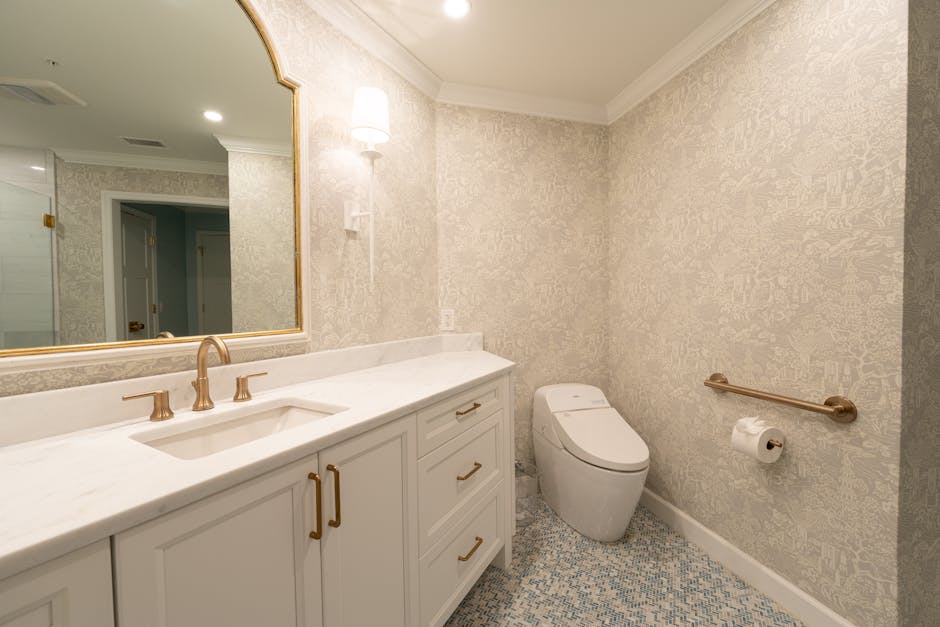
How to Conduct a Home Safety Assessment for Aging in Place
A room-by-room guide to evaluating home safety for seniors and people with mobility challenges. Covers fall hazards, lig...